RBI moves to inject more than ₹2 lakh crore to ease system liquidity
Reserve Bank of India will inject over ₹2 lakh crore into the banking system, using open market purchases in February to ease strained funding conditions.
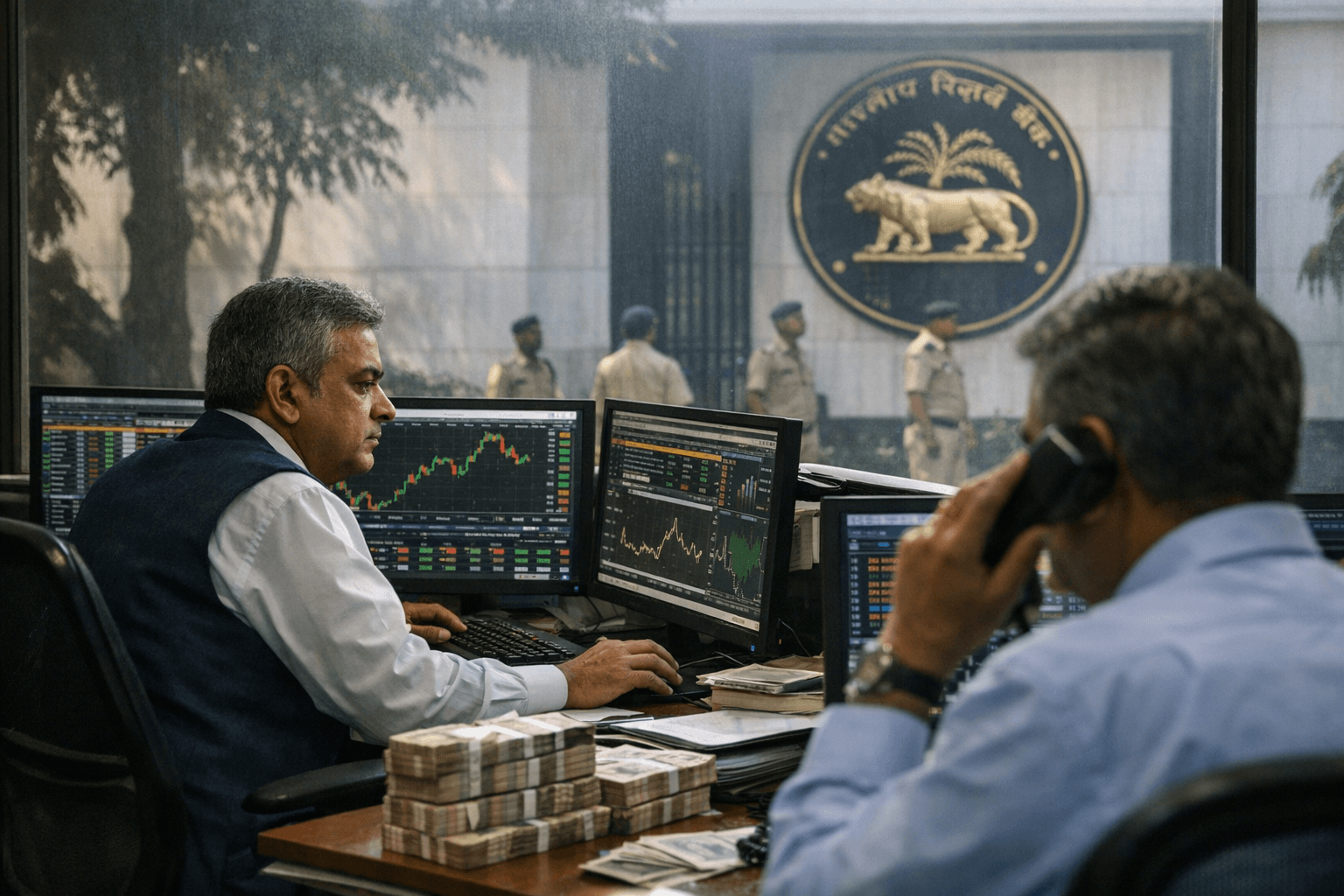
The Reserve Bank of India announced on Jan. 24 a package of liquidity operations that will put more than ₹2 lakh crore, roughly $23 billion, into the banking system following a review of funding conditions. The central bank said the measures, flagged on Jan. 23–24, include open market purchases of government securities in February aimed at restoring comfortable liquidity in money markets.
The scale and timing of the injections underline how the RBI is proactively managing short-term funding strains that have tightened at the start of the year. Open market purchases, or OMOs, are a principal tool for adding durable liquidity by swapping cash for government bonds, and they tend to lower money-market rates and long-dated government yields by increasing demand for securities.
For banks, an infusion of over ₹2 lakh crore will ease reliance on costly short-term borrowing and can reduce funding costs across the financial system. That in turn should support credit availability to corporates and households by strengthening liquidity buffers on bank balance sheets. Market participants will watch whether the operations also narrow term premia on government securities and lower spreads on corporate debt, which have widened during episodes of strain.
Policy implications are straightforward. The RBI’s decision signals a willingness to use the balance sheet actively to smooth market functioning rather than relying solely on standing facilities. By opting for OMOs, the central bank is adding permanent liquidity that should temper volatility in the call-money and repo markets. That helps anchor short-term interest rates and reinforces the transmission of monetary policy set by the policy rate corridor.
There are tradeoffs. Large-scale injections can, if sustained, raise concerns about future inflationary pressures and the need for subsequent sterilization through market operations or adjustments to policy instruments. The RBI will need to balance immediate market stability with its medium-term price stability mandate. Coordination with fiscal cash management is also essential; the timing of government receipts and expenditure often drives transient funding tightness, and central bank interventions can buffer those swings.
On market implications, the near-term reaction is likely to be most visible in the government securities market. Increased demand from the RBI through OMOs should exert downward pressure on yields, improving valuations for existing bondholders and reducing yields at the margin for new government borrowing. A softer yield environment could attract domestic and foreign inflows into Indian fixed income, although global rate expectations and currency moves will remain determining factors.
This move also fits a longer-term pattern in which the RBI has broadened its toolkit for liquidity management as India’s financial markets deepen. Regular use of OMOs, standing facilities, and variable-rate repos has enabled more surgical interventions than blanket rate cuts. For borrowers and investors, the central bank’s readiness to deploy large-scale operations signals that authorities will act to prevent acute dislocations that could impair lending and economic activity.
The effectiveness of the package will be judged over coming weeks by money-market rates, bond yield trajectories, and bank funding costs. If OMOs in February succeed in restoring comfortable liquidity, the RBI can avoid more disruptive interventions while preserving monetary policy credibility. If strains persist, further action, timed to macroeconomic priorities, may be required.
This article was produced by Prism’s automated news system from verified source data, official records, and press releases, then run through automated quality and moderation checks before publishing. The system is built and supervised by the people who set the standards it runs under. Read our full AI policy.
Did this article answer your question?

