Readers share simple ways to build a daily walking habit
A brisk 10-minute walk can count toward the weekly target, and readers' tricks show how to fit 30 minutes into busy, risky or limited days.
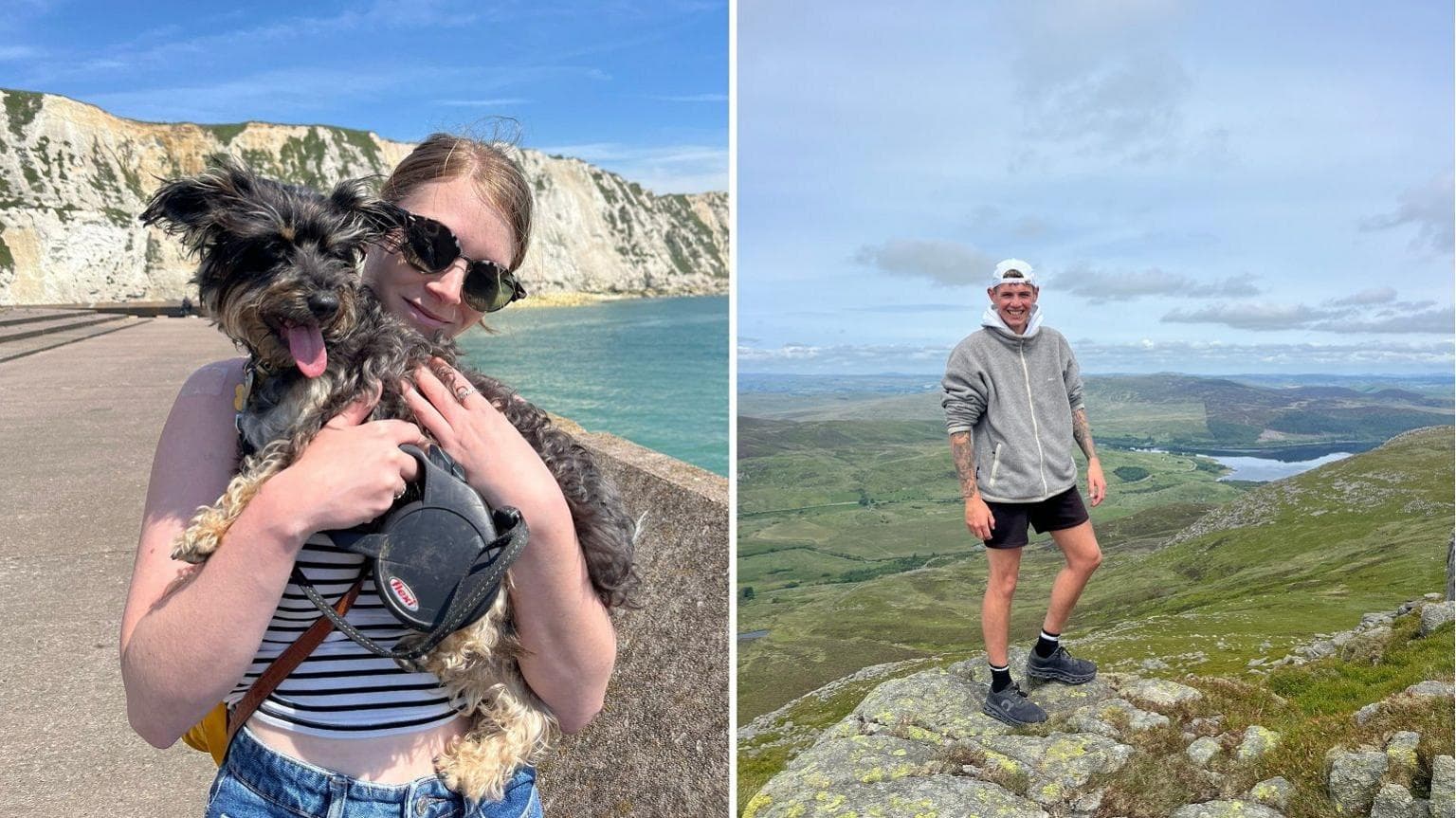
A brisk 10-minute walk, done every day, already counts toward the NHS target of 150 minutes of weekly exercise for adults aged 19 to 64. That matters because the hardest part is often not knowing walking helps, but making it realistic when time is tight, mobility is limited, or the route outside does not feel safe.
Readers’ best fixes are small because they build on routines that already exist: walking the dog before breakfast, stepping off the bus one stop early, or taking a regular post-dinner walk with family or friends. The pattern is practical rather than aspirational. It turns walking from a separate task into a short piece of a day that is already happening.
What counts as enough
The NHS defines a brisk walk as about 3 miles an hour, fast enough that you can talk but not sing. That pace is the key to why a short daily walk still matters, because the guidance treats a 10-minute burst as meaningful exercise rather than a token stroll.
The same guidance links that 10-minute habit to the wider weekly target, which gives busy people a way to count progress without needing one long uninterrupted session. The NHS Active 10 app builds on that idea by tracking brisk walking in 10-minute bursts and adding goals and rewards, a small nudge that treats repetition as the real measure of success.
How to fit walking into a crowded day
The simplest reader tips work because they piggyback on ordinary movement. The NHS names the same set of habits again and again for a reason: walking part of the journey to work, using the stairs, leaving the car behind for short trips, walking children to school, or setting aside a regular after-dinner walk all remove the need to carve out a separate hour.
That logic is especially useful for people with tight schedules, because it reduces walking to pieces that can survive a late start, a missed train, or a workday that runs over. Getting off the bus early does not demand new equipment or a perfect calendar, only a decision made at a familiar stop.
When 30 minutes is not one block
For people who cannot manage half an hour in one stretch, NHS-linked practice already points to a more flexible path. Kent Community Health NHS Foundation Trust’s walking programme recommends 30 minutes of brisk walking five times a week, with warm-up and cool-down periods, but it also says to begin by alternating brisk and normal walking and to gradually increase the brisk intervals if 30 minutes continuously is too much.
That matters for anyone rebuilding fitness after illness, injury, or a long sedentary stretch. Royal Berkshire NHS Foundation Trust says regular walking is recommended to help regain and maintain fitness in people with heart conditions, which is a reminder that the goal is not only distance but also a sustainable pattern the body can handle day after day.
Why rewards are part of the story
The NHS is not relying on advice alone. Active 10 adds goals and rewards to the act of walking itself, and that reflects a wider policy question now running through health and transport: whether small incentives change behavior more effectively than public-health messaging on its own.
The government has already tested that idea in a wider form. In 2022, it announced a nationwide trial of walking, wheeling and cycling on prescription in 11 local authority areas in England, backed by £12.7 million in multi-year funding. The design matters because it treats movement as something that can be prescribed, prompted and reinforced, not just encouraged.
The policy push behind the habit
That trial sits inside a broader active-travel agenda. The Department for Transport said it had almost £300 million for walking, wheeling and cycling schemes in 2024-25 and 2025-26, enough to support 300 miles of new pavements and cycle routes, 30 million more journeys by walking and cycling each year, and 43,000 fewer sick days annually.
The policy ambition has since widened again. A later government announcement said more than £4.5 billion would be invested in active travel over five years, with 5,000 new routes and 10,000 safer crossings by 2030. For anyone trying to build a daily walk into real life, the message is clear: habit formation is being treated as a matter of both personal routine and public infrastructure.
Why the health case keeps getting sharper
The health argument is no longer abstract. NHS England says inactivity raises the risk of long-term conditions such as heart disease and type 2 diabetes, and it also harms mental health. In the South West, an NHS campaign said 22% of the population are inactive, meaning they do less than 30 minutes of movement a week.
That figure helps explain why small, repeatable walks matter so much. A person who can manage only 10 minutes before breakfast, a short stretch after dinner, or a brisk segment folded into a commute is still moving away from inactivity, and still building a pattern that can hold under pressure.
What makes the habit last
The habits that last are the ones that survive ordinary constraints. Walking the dog before breakfast works because the dog is already waiting; getting off the bus early works because the route home is already there; a school-run walk works because it attaches movement to an obligation that cannot be skipped.
That is the real lesson in the NHS guidance, the local trust walking programmes and the active-travel funding push. A daily walking habit becomes realistic when the task is small enough to repeat, flexible enough to adapt, and supported by streets, stops and schedules that leave room for it.
This article was produced by Prism’s automated news system from verified source data, official records, and press releases, then run through automated quality and moderation checks before publishing. The system is built and supervised by the people who set the standards it runs under. Read our full AI policy.
Did this article answer your question?