Real Madrid crisis deepens as Barcelona near another La Liga title
Barcelona can seal the title while Real Madrid are dealing with hospital visits, discipline and distrust, a collapse that looks bigger than one bad week.
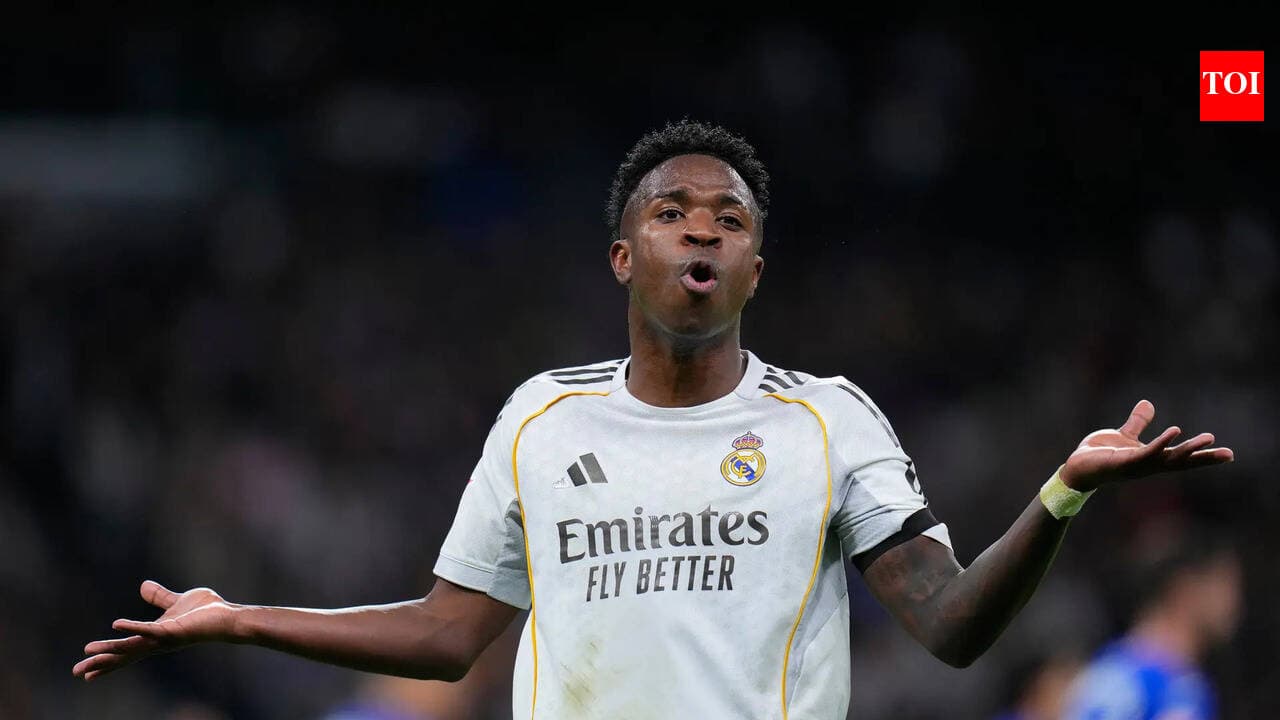
A crisis that now feels structural
Barcelona can clinch a second straight La Liga title on Sunday, and the contrast with Real Madrid is stark. While Barca push toward another trophy, Madrid are trying to contain a week defined by a training-ground dispute, a hospital visit for Federico Valverde and fresh questions about who is steering the club through a season that has slipped out of control.
This is no longer only about results. Real’s problems are now spread across the dressing room, the coaching chain of command and the club’s wider sense of authority, which is exactly why the story matters beyond Spain. When a club built on control, prestige and constant pressure starts to look unstable, the consequences reach far beyond one title race.
The row that exposed the dressing room
The latest flashpoint began with reports that Valverde and Aurelien Tchouameni were involved in a heated disagreement during training. That confrontation later escalated at the Real Madrid training base, and sources said it continued after the session before ending in a dressing-room altercation that sent Valverde to hospital with a head injury.
Valverde later rejected the idea that the incident turned into a physical fight. In his account, the injury happened because he "accidentally hit a table" during the confrontation. He also said he suffered "a small cut on my forehead that required a routine visit to the hospital" and pushed back against suggestions that either player had struck the other.
Real moved quickly once the story became public. The club opened disciplinary proceedings against both players and said updates would follow once internal procedures were completed. A second statement confirmed the medical result that mattered most on the pitch: Valverde had suffered a concussion and would need 10 to 14 days of rest, ruling him out of Sunday’s El Clasico.
The response at the top was equally telling. An emergency meeting was called with Florentino Perez, members of the coaching staff, head coach Alvaro Arbeloa and captain Dani Carvajal. That lineup alone says a great deal about the scale of the concern. This was not treated as a private spat between teammates, but as a clubwide problem demanding intervention from the president, senior leaders and the dressing-room captain.
Why this week landed so hard
If this had been an isolated flare-up, it would still have been damaging. It landed, though, in the middle of a season already marked by failure. Real Madrid were eliminated by Bayern Munich in the Champions League quarter-finals in April 2026, and they had already been knocked out of the Copa del Rey after a shock defeat to Albacete. That left La Liga as the only realistic route to silverware.
Even there, the margin for error is gone. Reports said Madrid were nine points behind Barcelona, meaning they would have needed to win out and hope Barca dropped points. If they fail, it will be a second successive trophyless season, something widely described as unacceptable at a club with Madrid’s scale, spending power and self-image. Some reports say it would also be the club’s first back-to-back major-silverware drought in 16 years.
That is what turns this from a bad run into an institutional warning. Elite clubs can absorb a defeat or a poor month. They struggle when the defeats arrive alongside public conflict, disciplinary action and a sense that internal trust is fraying. Madrid’s season now looks less like a stumble and more like a breakdown in the mechanisms that usually keep a giant club moving forward.
A club that keeps escalating its own disputes
There is another layer to this crisis: Real Madrid do not behave like a club trying to lower the temperature. They are often willing to escalate when they feel aggrieved, and that instinct shapes how the outside world reads every episode. BBC Sport has noted that the club previously asked for answers over events at the 2022 Champions League final and also launched legal action against a La Liga television-rights deal. Under Perez, conflict is often treated as something to contest aggressively rather than absorb quietly.
That approach can project strength when the club is winning. In a period of instability, it can also make the atmosphere more combative. Every disagreement becomes bigger, every rumor harder to contain and every internal problem more likely to spill into public view. In this case, the club’s swift disciplinary response showed a desire to impose order, but the need for that response also highlighted how deeply the disorder has spread.
The situation has broadened beyond Valverde and Tchouameni. Defender Alvaro Carreras also responded this week to reports linking him with a separate disagreement involving Antonio Rudiger. He did not name Rudiger directly, but wrote on Instagram that "certain insinuations and comments about me have emerged that do not correspond to reality." That kind of public clarification is another sign of a dressing room under pressure, where every interaction can be reframed as evidence of division.
Why the dysfunction matters beyond football
Real Madrid’s problems are not only a sports story because they reveal how a powerhouse brand can unravel. The club sits at the intersection of elite performance, corporate ambition and constant public scrutiny. When that system starts failing, the consequences resemble broader institutional crises elsewhere: leadership uncertainty, employee distrust, public noise amplifying private tension and a governing structure struggling to restore credibility.
The Santiago Bernabeu itself has become part of that story. The redevelopment has drawn local complaints and political and legal disputes, while nearby concert disruption has added to a wider sense of unrest around the club. That matters because a football team does not operate in a vacuum. Stadium politics, city relations and commercial ambition all shape how stable the institution feels, and right now Madrid are carrying multiple forms of strain at once.
There is also the looming question of summer change. Reports have already linked the fallout to speculation over Arbeloa’s future and possible adjustments to the squad and coaching structure. That makes the final stretch of the season about more than whether Madrid can catch Barcelona. It is now a referendum on how much faith remains in the current architecture.
Barcelona may be the side on the verge of a title, but Real Madrid are the bigger case study. Their week shows how quickly prestige can turn into fragility when a club’s management, locker room and public identity stop reinforcing one another. If Madrid end the season empty-handed, the damage will not be measured only in trophies lost. It will be measured in how much harder it becomes to believe the old machine still works.
This article was produced by Prism’s automated news system from verified source data, official records, and press releases, then run through automated quality and moderation checks before publishing. The system is built and supervised by the people who set the standards it runs under. Read our full AI policy.
Did this article answer your question?
.jpg&w=1920&q=75)