Record-breaking heat threatens 165 million Americans through Independence Day weekend
HeatRisk flagged 165 million people from the Midwest to the East as dangerous heat climbed toward 115 degrees and some nights stayed in the mid-80s.
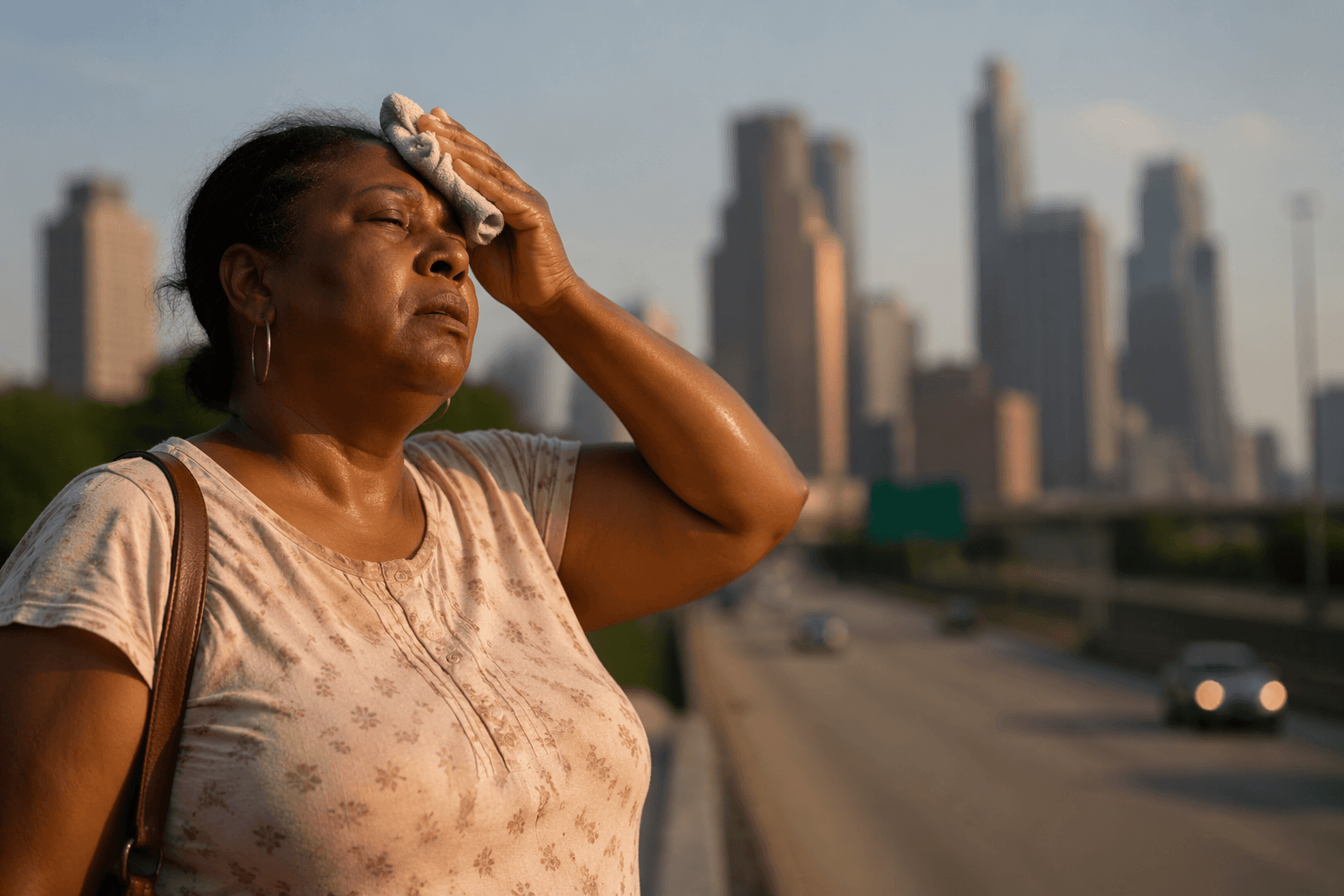
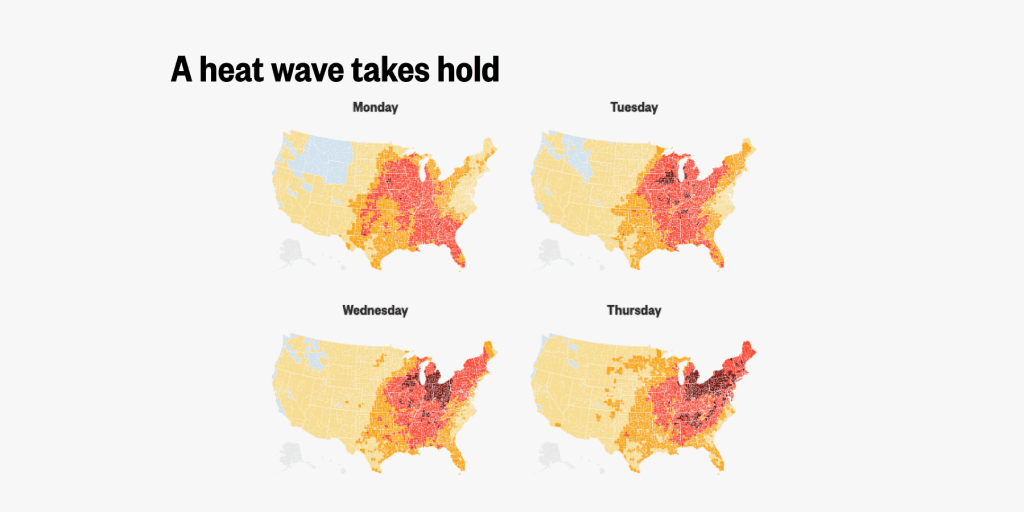
The National Weather Service warns dangerous, record-breaking heat will continue across most of the central and eastern United States through Friday, then settle over the eastern states through the Independence Day weekend, with heat indices reaching as high as 115 degrees. Its experimental HeatRisk product puts more than 165 million Americans in the Midwest and East at risk of major or extreme heat-related health issues through July Fourth.
HeatRisk supplements the agency’s watches, warnings and advisories, giving decision makers and people sensitive to heat a seven-day look at where the danger is building. Some forecast lows are not expected to fall below the mid-80s, leaving little overnight relief for people trying to recover after a day in the sun.
Electrolyte mixes, smart bottles and other wellness products promise to make drinking water feel more scientific, but the core advice remains simple: plain water is enough for most routine activity, especially when people are indoors or only briefly outside. Extra electrolytes are more likely to matter when someone is sweating heavily for long periods, losing fluids through illness, or following medical guidance that calls for them.
In the Midwest, the humidity is getting an extra push from what people call corn sweat, the informal name for evapotranspiration. The process is ordinary plant biology, with crops moving water from roots to leaves and releasing moisture into the air, but it can make a hot day feel even heavier. Cornfields can raise local humidity, and a dew point of 75 degrees or higher is generally considered oppressive.
This article was produced by Prism’s automated news system from verified source data, official records, and press releases, then run through automated quality and moderation checks before publishing. The system is built and supervised by the people who set the standards it runs under. Read our full AI policy.
Did this article answer your question?