Record California marine heat wave could fuel stormy, dangerous summer
A vast warm pool off California could intensify storms, flooding and coastal damage this summer as ocean temperatures keep setting records.
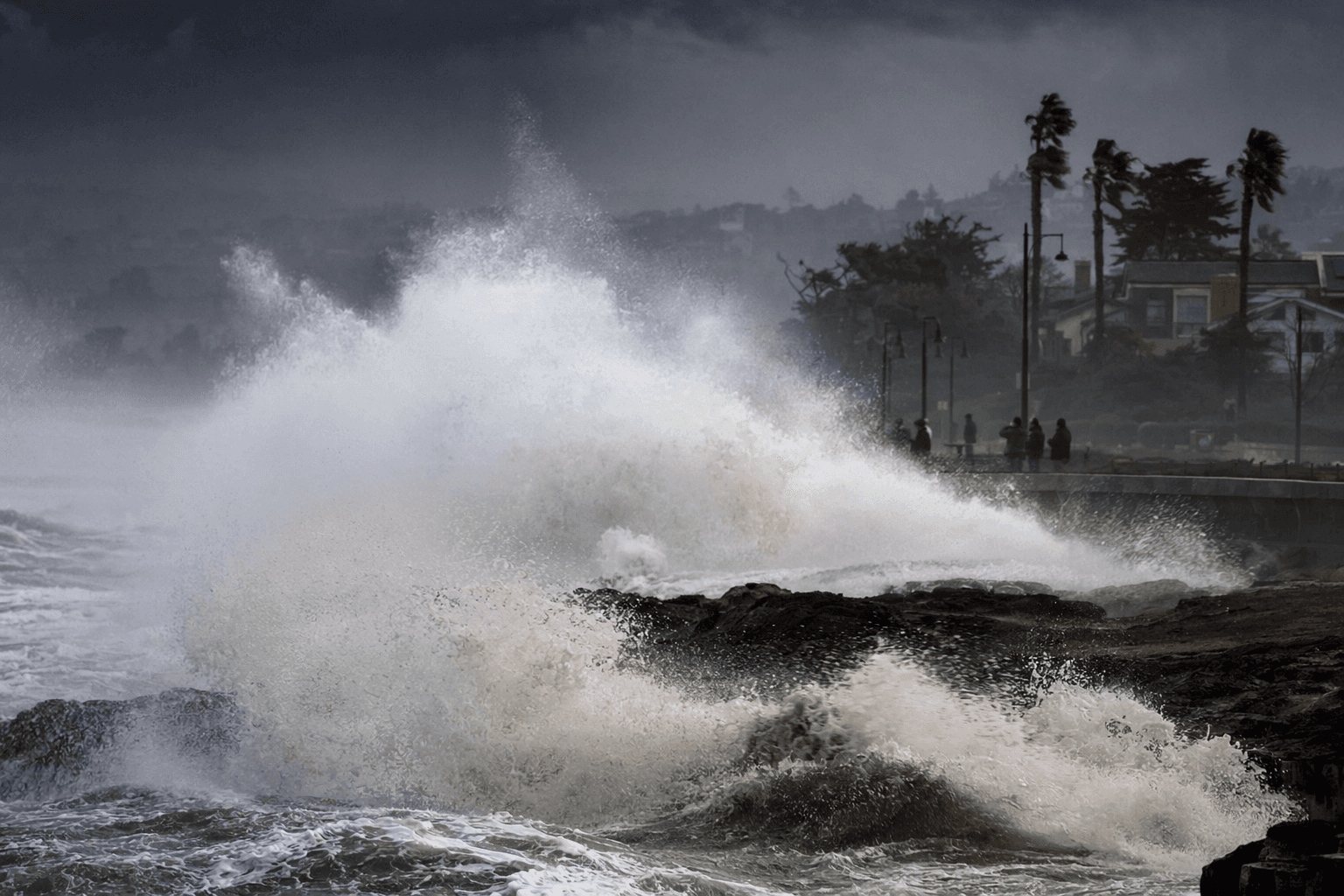
A sprawling marine heat wave off California could turn an already volatile summer storm season more dangerous, with the warm ocean adding humidity and fuel that can drive heavier rain, coastal flooding and erosion if the atmosphere lines up.
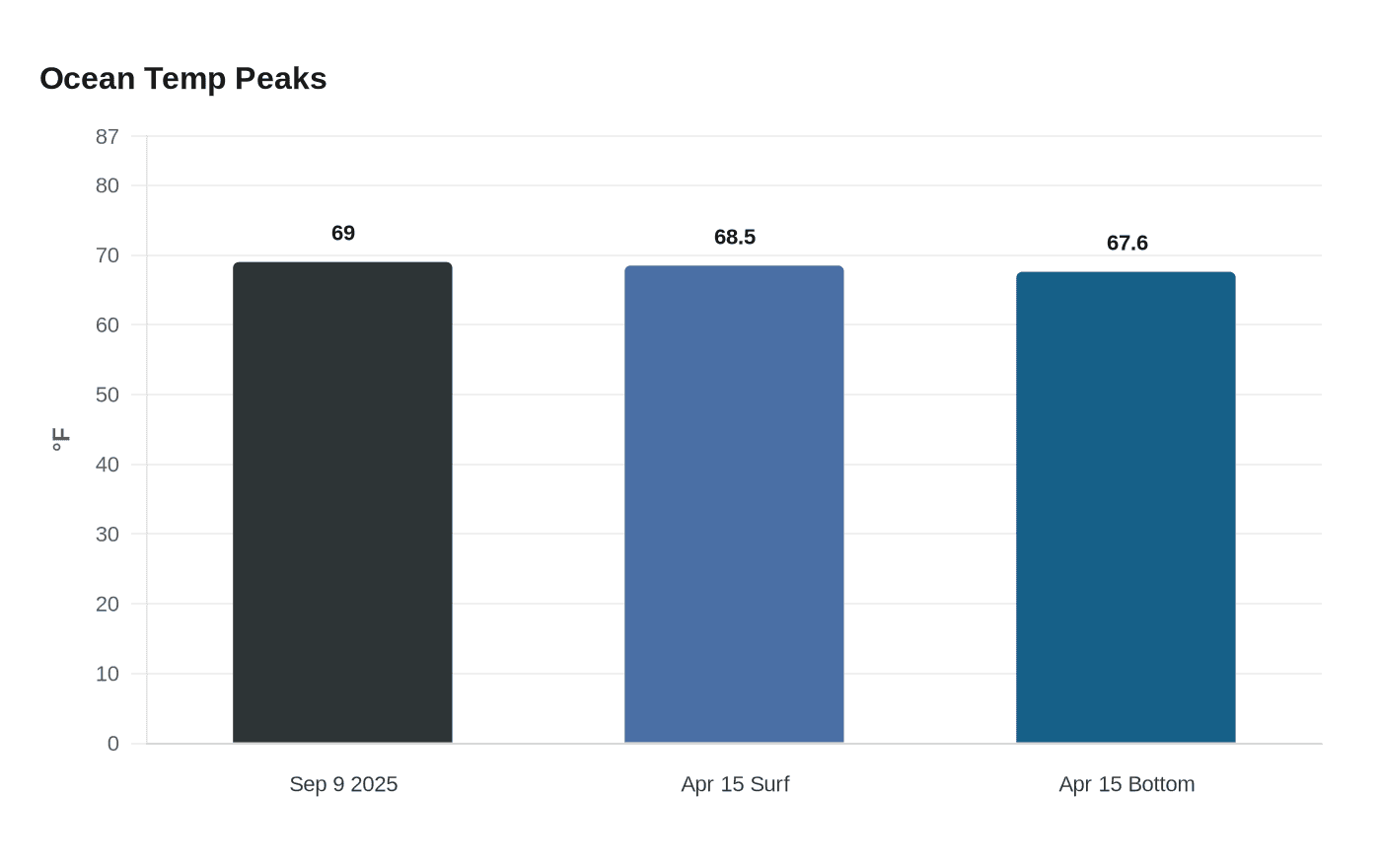
The risk stretches from San Francisco to the Mexican border, where West Coast waters have been running roughly 3 to 4 degrees Fahrenheit above normal. NOAA says the event has persisted since last summer and is only the third time on record that such a large section of the coastal ocean has stayed so warm for so long without an El Niño. On September 9, 2025, the northeast Pacific reached its highest ever average temperature, 20.6 degrees Celsius, about 69 degrees Fahrenheit.
That kind of heat does more than rewrite ocean records. Scientists say it can influence coastal weather for weeks, months or even seasons, and the clearest public danger is not just warmer surf but stronger storms and more damaging rainfall if upper-air conditions cooperate. Climate Central estimated that in late April 2026, sea surface temperatures across parts of the region were 2 to 5 degrees Fahrenheit above normal, with localized hotspots above 7 degrees and peak anomalies near 11 degrees. About 45 percent to 55 percent of the analyzed ocean area was in marine heatwave conditions, and some stretches had been in near-continuous heatwave conditions since mid-2025.
The heat has already shattered records at the Scripps Pier in La Jolla, where more than 25 daily temperature records were broken by mid-April. On April 15, 2026, the surface water temperature hit 68.5 degrees Fahrenheit, 7.7 degrees above average for that date. The sea bottom reached 67.6 degrees, the hottest April 15 in about 100 years of records.
Scientists are watching for several knock-on effects. NOAA warned the heatwave could trigger harmful algal blooms, sicken marine mammals and force shellfish fishery closures. Earlier marine heatwaves reduced salmon survival, shifted species distributions and caused die-offs and broader ecosystem disruption, and this event is drawing comparisons to The Blob, the 2013-2016 warm-water episode that spread across the West Coast.
NOAA research oceanographer Andrew Leising said the pattern is unusually persistent and “is not a situation that we have seen before.” Climate scientists including Daniel Swain say human-caused climate change is pushing the ocean to new records, while a developing El Niño could interact with the warm water and make the problem worse through the end of the year. For residents and coastal communities, the next months could bring not just hot water, but a higher-risk shoreline.
This article was produced by Prism’s automated news system from verified source data, official records, and press releases, then run through automated quality and moderation checks before publishing. The system is built and supervised by the people who set the standards it runs under. Read our full AI policy.
Did this article answer your question?

