Record debris reentries raise alarms as space traffic surges
Nearly 820 objects reentered in 2025, up from about 110 a decade earlier. Under the liability treaty, the launching state pays when debris damages Earth or an aircraft.
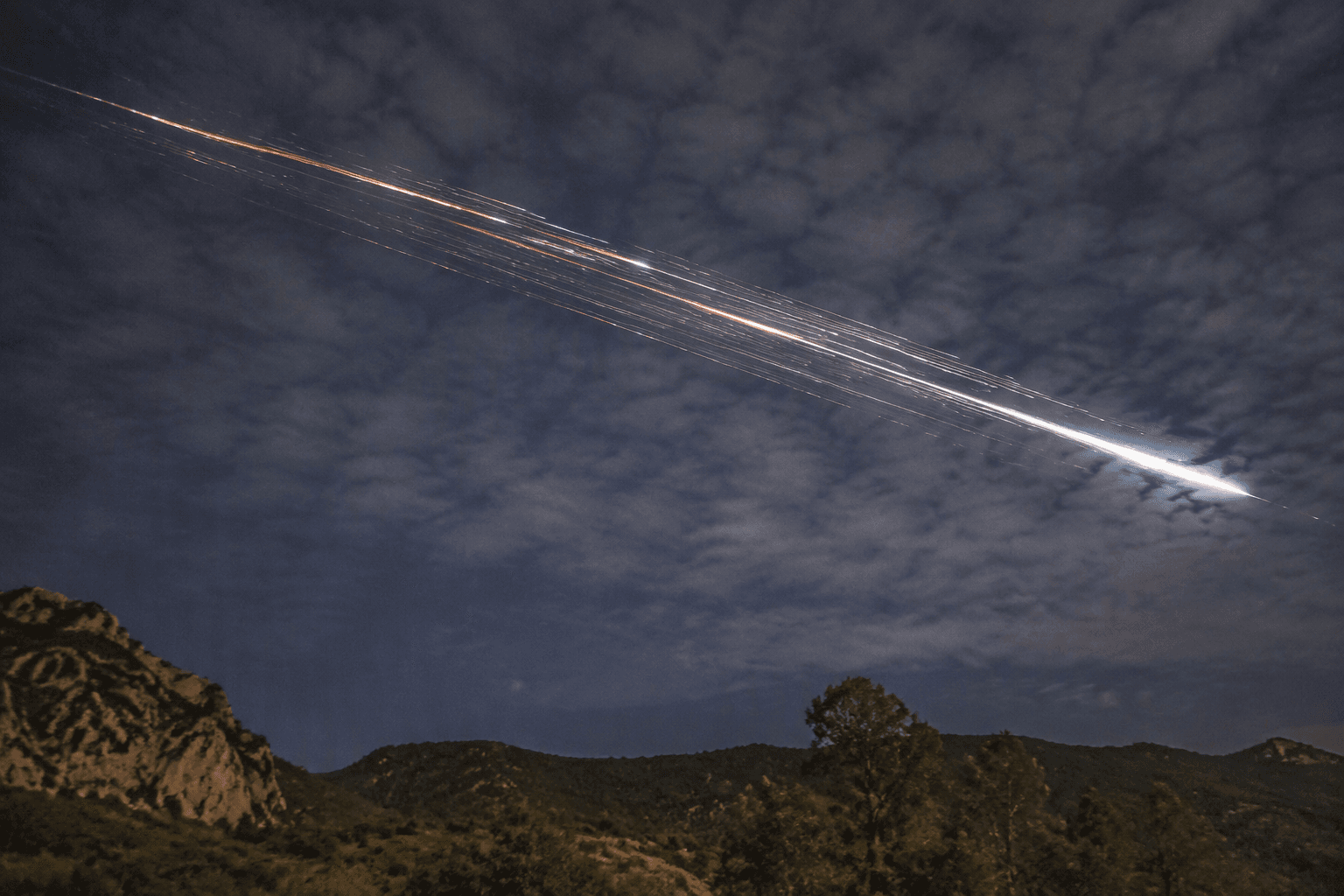
Nearly 820 objects reentered in 2025, up from about 110 a decade earlier, as launch traffic accelerated and more hardware came back through Earth’s atmosphere. ESA said in its 2025 Space Environment Report, published April 1, that the planet is surrounded by debris and that up to 200 tons of space hardware still reenters uncontrollably each year. The danger is no longer confined to orbit: NASA defines orbital debris as any human-made object in orbit that no longer serves a useful purpose, and NOAA says burned-up spacecraft parts can still fall to the ground and pose a risk to people and structures.
The legal framework is older than the scale of the problem. The Convention on International Liability for Damage Caused by Space Objects, in force since September 1972, makes the launching state absolutely liable for damage caused by its space object on the surface of the Earth or to aircraft in flight. Oxford Public International Law says that liability extends to damage caused by space debris, including cases where the debris came from private spacecraft. That leaves the hard question less about who pays than how governments and operators prevent the debris from reaching the ground in the first place.
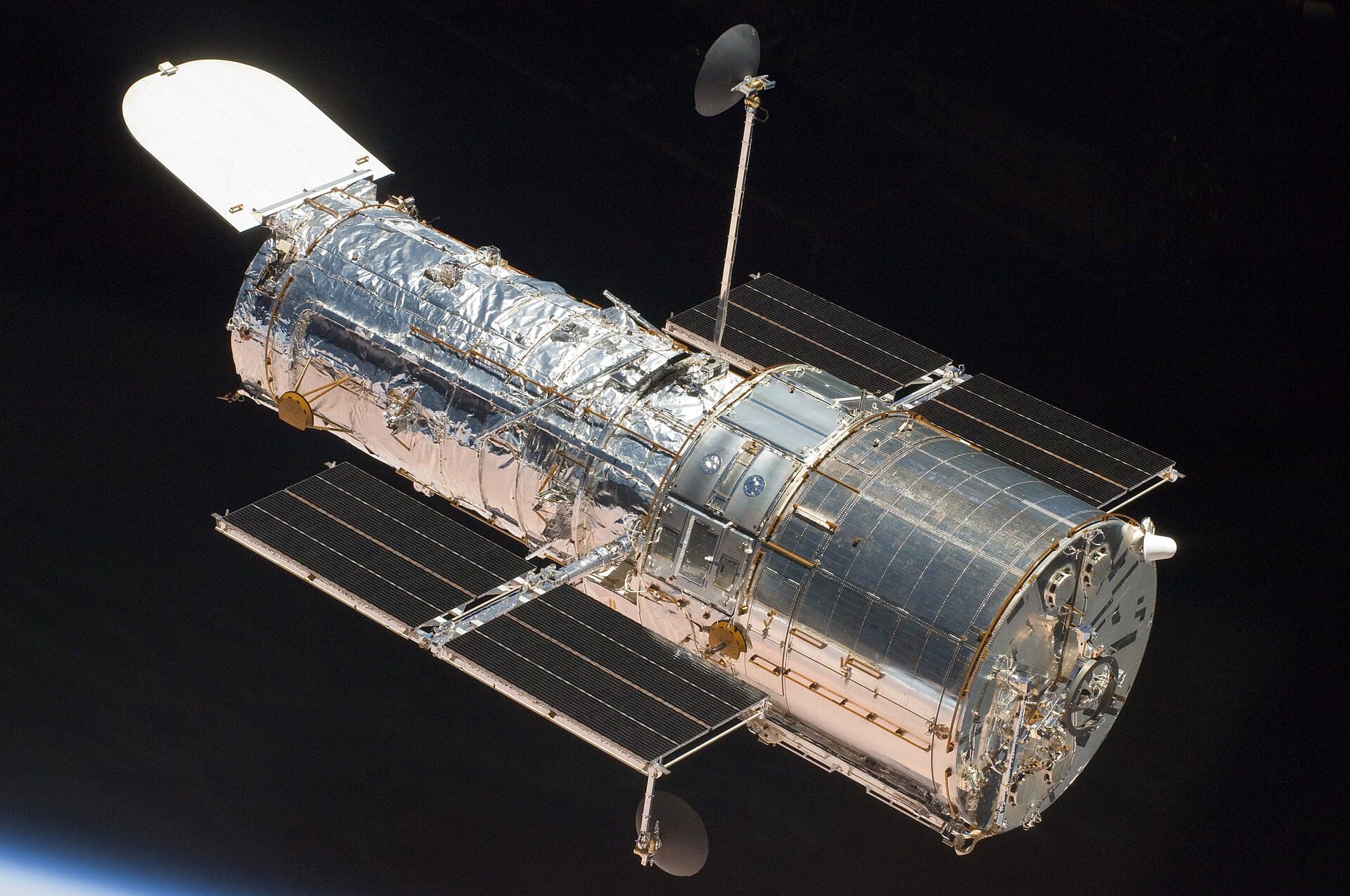
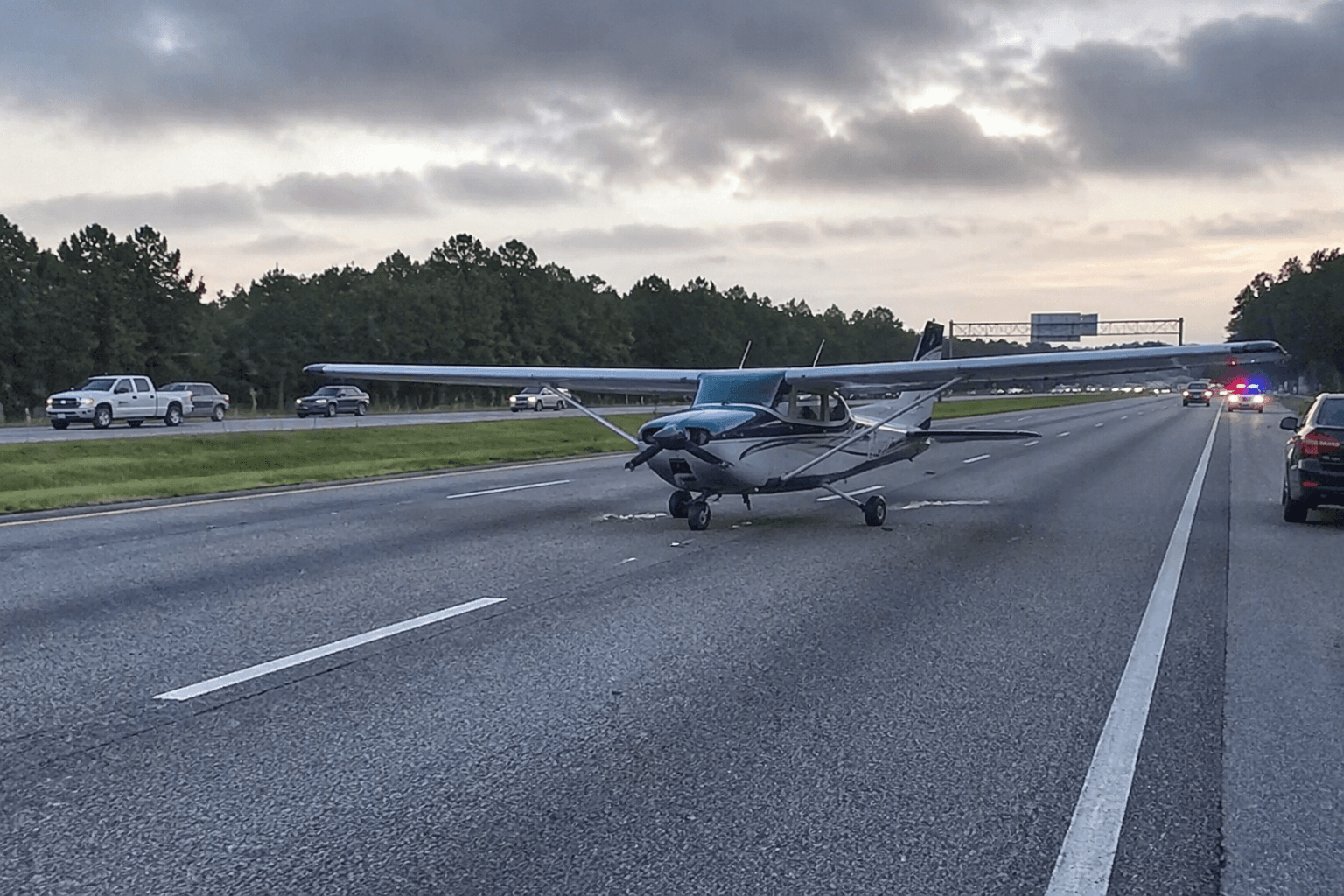
The safety risk has already reached aviation. A Scientific Reports paper published Jan. 23, 2025 examined airspace closures caused by reentering space objects, and February coverage described a SpaceX Falcon 9 upper stage breaking up over Europe and scattering debris across western Poland. NASA says orbital debris can threaten the International Space Station and other spacecraft, while its Orbital Debris Program Office uses ORDEM 3.2 for impact-risk assessments and LEGEND to project the future debris environment.
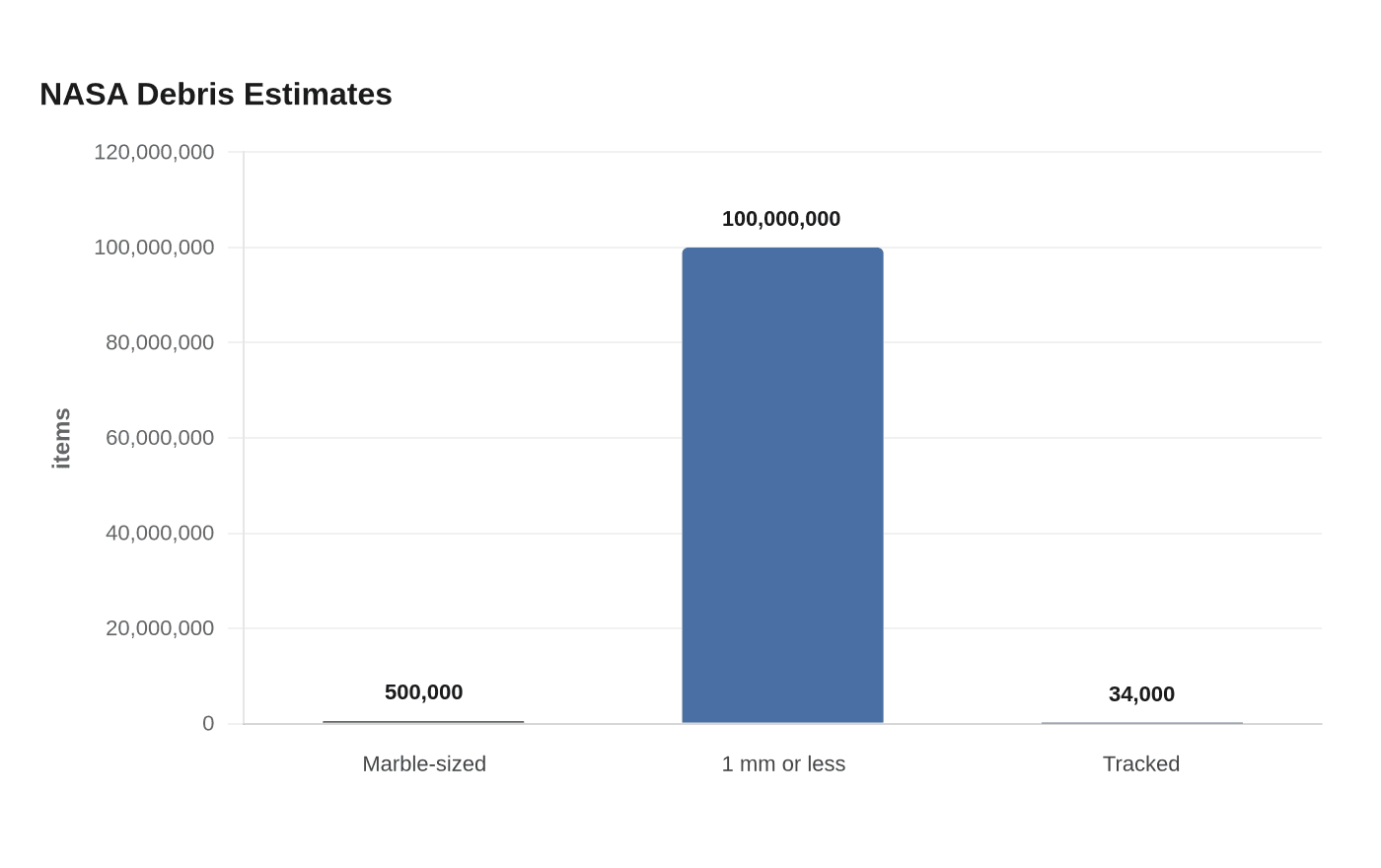
The numbers behind the threat are growing fast enough to strain current monitoring and mitigation. NASA estimates about 500,000 marble-sized debris objects and more than 100 million fragments 1 mm or smaller in Earth orbit, alongside more than 34,000 pieces tracked individually. The Aerospace Corporation’s CORDS Reentry Database has documented objects and payloads reentering since 2000, and a Nature Communications Engineering article published May 26, 2025 said orbital debris requires prevention and mitigation across the satellite life cycle.
This article was produced by Prism’s automated news system from verified source data, official records, and press releases, then run through automated quality and moderation checks before publishing. The system is built and supervised by the people who set the standards it runs under. Read our full AI policy.
Did this article answer your question?