Record heat grips East as Midwest storms knock out power
Record heat pushed the East toward 106 degrees while Midwest storms cut power to 134,000 Illinois customers and threatened holiday travel.
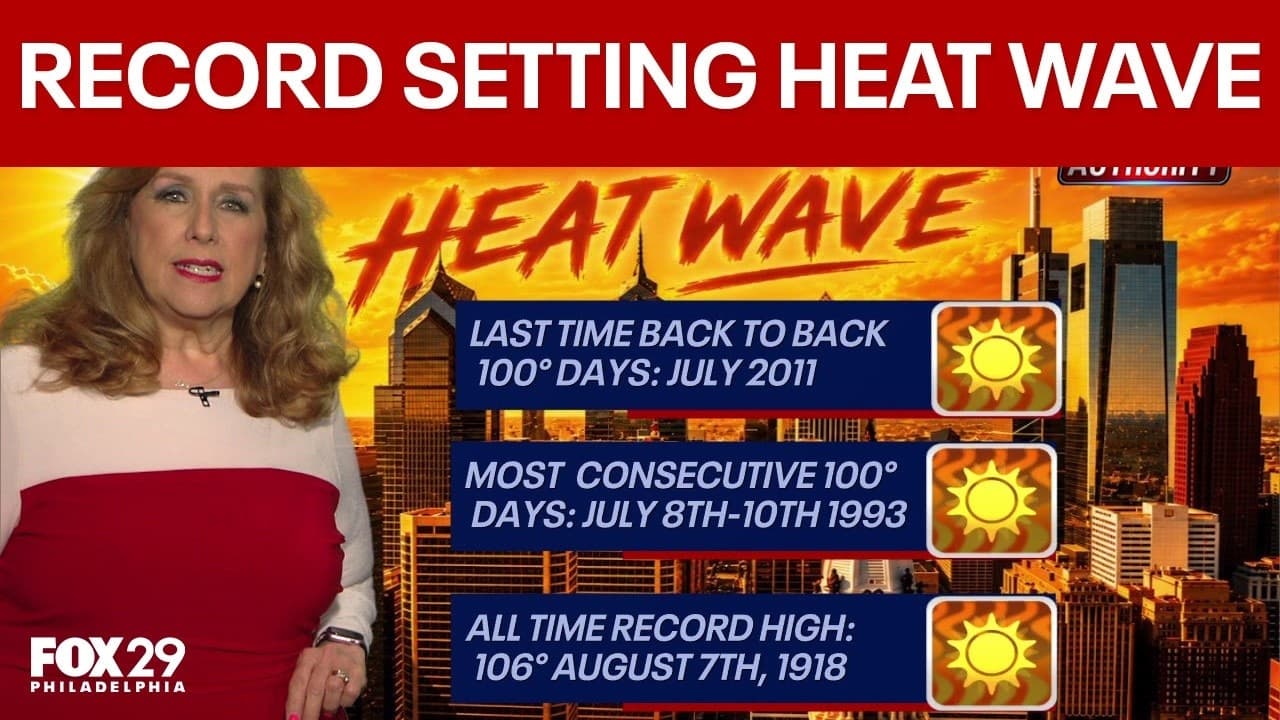
The National Weather Service warned that more than 165 million Americans across the Midwest and East faced major or extreme heat-related health risks as the Fourth of July weekend opened, while storms in the Midwest knocked out power and made travel hazardous. The National Weather Service warned that a prolonged, dangerous heat wave would persist through the Independence Day weekend across the Ohio Valley, Midwest and Mid-Atlantic, with numerous temperature records expected.
The heaviest heat fell along the I-95 corridor, with parts of southern New England through Virginia forecast to reach triple-digit highs. Philadelphia and Washington, D.C. could approach all-time record highs of 106 degrees, and overnight lows were expected to stay above 80 in Philadelphia, Baltimore, New York, Boston and Washington, D.C., giving people little relief after sunset. In northern Illinois and northwest Indiana, heat index values over 100 degrees were expected on July 4, with a slight risk of severe storms in the afternoon and evening.
Extreme heat and humidity fueled afternoon showers and thunderstorms across parts of the Northeast, Southeast and Mid-Atlantic through July 4, with some storms strong to severe. Damaging wind gusts were the main threat in the Midwest, along with heavy rain and lightning, as holiday traffic and outdoor events faced fast-changing conditions. The West was largely spared the heat but still faced fire risk.
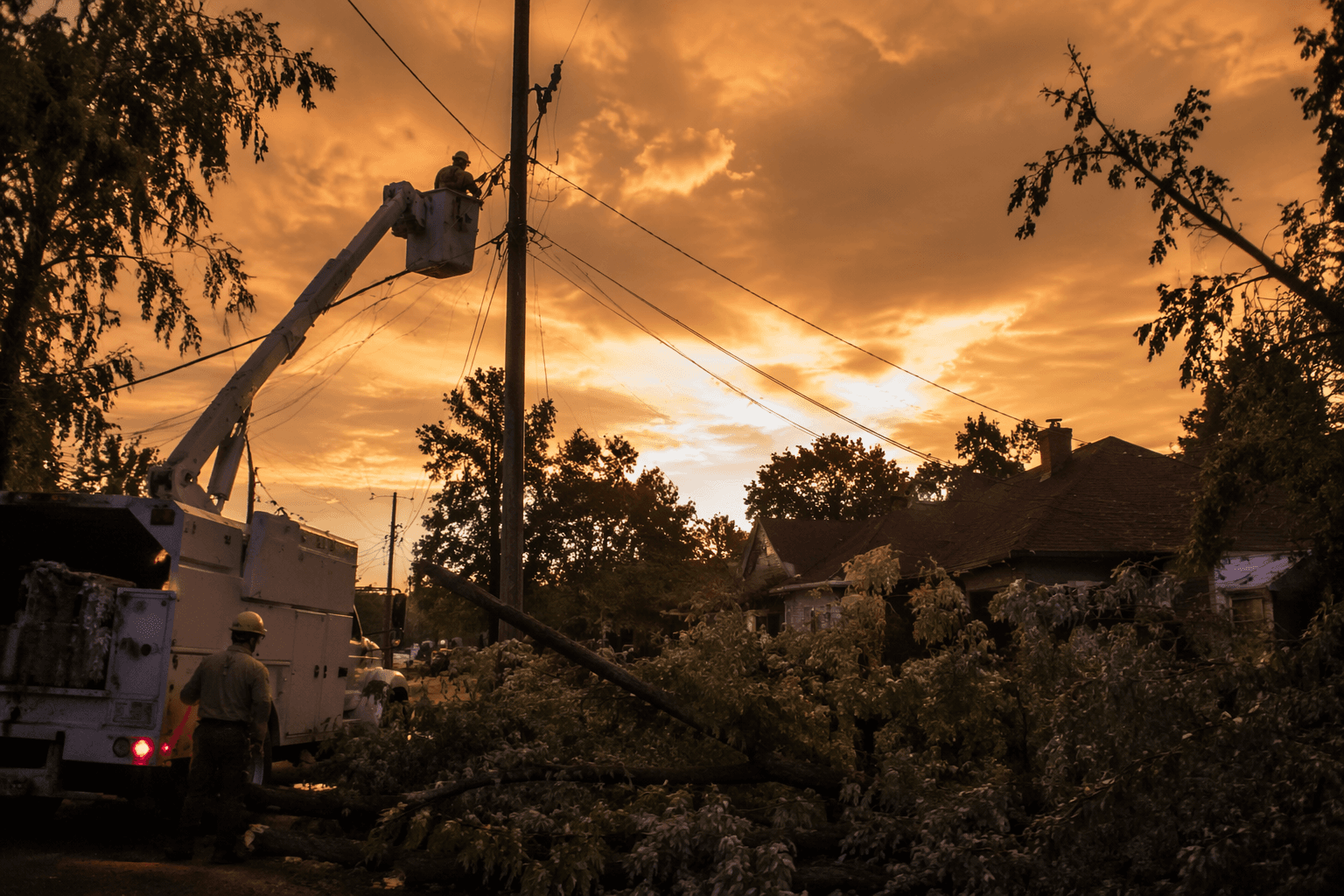
Weather.com's live blog counted more than 350 reports of severe weather during a June outbreak across Iowa through Michigan and over 134,000 customers without power in Illinois.
This article was produced by Prism’s automated news system from verified source data, official records, and press releases, then run through automated quality and moderation checks before publishing. The system is built and supervised by the people who set the standards it runs under. Read our full AI policy.
Did this article answer your question?