Red Cat Innovation Day Spotlights NDAA FPV Drones Affecting Racing Teams
Red Cat announced an Innovation Day to showcase NDAA-compliant FPV drones and procurement wins that could reshape hardware availability for competitive racing teams.
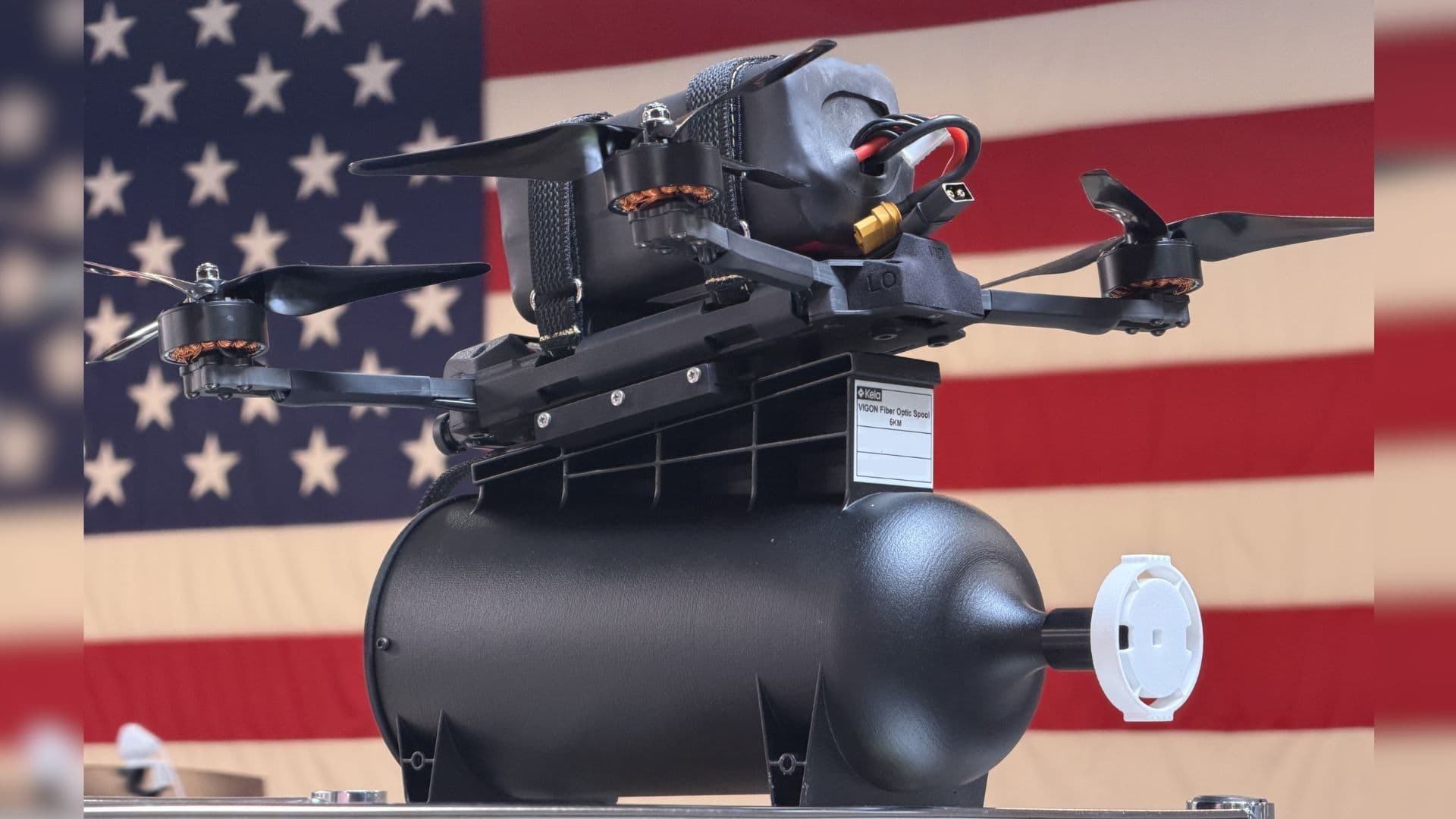
Red Cat Holdings used a fresh wave of corporate updates to put NDAA-compliant FPV hardware squarely in the sights of the racing community. The company announced on Jan 20 that it will host an Innovation Day on Feb 27 to demonstrate products, unveil roadmap updates, and court investors and strategic partners. The notice followed a Jan 13–20 sequence of operational press items that highlighted revenue results and procurement placements for its Teal Drones and FlightWave Aerospace units.
At the center of the push is Red Cat’s FANG line of NDAA-compliant FPV drones. The company said recent placements on procurement lists and work on Blue UAS and DoD procurement pathways have advanced its access to government and defense channels. For racing teams that have long relied on surplus or defense-derived components for high-performance builds, those procurement wins change the calculus for sourcing frames, radios, and propulsion systems. Teams chasing marginal gains in lap times may find new suppliers or face tighter competition for specialized parts.
From a performance perspective, NDAA-compliant platforms tend to emphasize secure, vetted components and supply-chain traceability. That can translate into more reliable links, consistent ESC and motor sourcing, and hardware that survives hard hits and high-G maneuvers. For racers, the practical implications are mixed: standardization and improved availability of quality parts could compress performance gaps and raise the baseline for competitive flight, while procurement-driven prioritization may reroute some consumer-grade innovation into defense channels, slowing the trickle-down of bleeding-edge tech.
Business trends are clear. Red Cat is positioning itself at the intersection of defense procurement and sport tech, inviting investors to see product demos and strategic partnerships at the Innovation Day. That dual market approach offers revenue diversification but also introduces regulatory and ethical complexity for sponsors and teams. As defense pathways legitimize certain vendors, expect consolidation among component suppliers and greater scrutiny of import-compliant hardware. Flight teams with commercial relationships or manufacturer partnerships could gain early access to hardened platforms; grassroots pilots without those ties risk being priced out of the newest performance tiers.
Culturally, the announcement accelerates a shift in drone racing’s identity. The sport has always borrowed from military and hobbyist innovations, but formalized DoD procurement links formalize that crossover. The community should anticipate conversations about fairness, access, and the optics of racing with hardware tied to defense contracting. At the same time, clearer supply lines and vendor accountability can improve safety and event insurance profiles, practical wins for race organizers.
For fans and teams, the immediate next milestone is Red Cat’s Feb 27 Innovation Day, where product demonstrations and roadmap details will clarify timelines and availability. Longer term, the story matters because procurement-driven hardware can change who wins on the leaderboard, who secures sponsorships, and how open the sport remains to newcomers. Prepare for a season in which supplier relationships and compliance paperwork matter as much as tuning your PIDs.
Know something we missed? Have a correction or additional information?
Submit a Tip