Rediscovering Lone Star Treble O electric Through Four Feather Falls
Steve Searson reopened and updated his Four Feather Falls layout on December 23, 2025 to spotlight the Lone Star Treble O electric system, blending historical context with practical modeling solutions. The feature matters because it shows how to preserve the toy railway feel of the 1950s and 1960s while adapting track, controllers, and scenery for reliable exhibition use today.
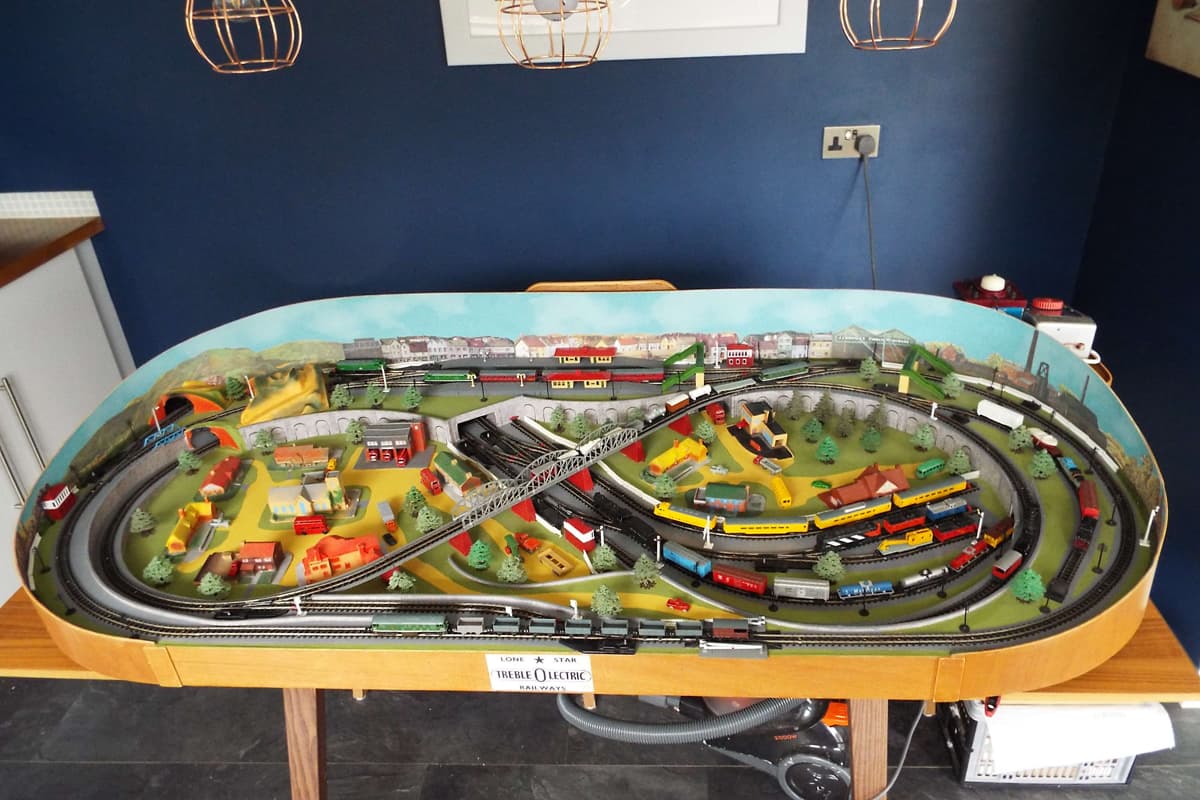
Steve Searson’s Four Feather Falls returned to center stage with a focused revisit of the Lone Star Treble O electric system. The layout feature combined background on the Lone Star and Treble O line, the product era and original markets, with a room by room tour that explained construction choices, operational tweaks, and scenic strategies designed to capture a 1960s aesthetic while delivering dependable performance for shows.
The lead takeaway is practical. Benchwork was built to support small radius curves and panelized sections for transport, and deliberate track gaps were used to isolate vintage metal track sections where continuity could be unreliable. Track and controller adaptations included modern controllers wired to accept Treble O metal track, and selective motorization upgrades to allow exhibit style run times without forcing replacement of iconic plastic rolling stock. The layout also offers roster advice, prioritizing a few well prepared engines for continuous display over many fragile originals.
Scenic and stylistic choices committed to era accuracy. Metcalfe stone walls were used for foreground masonry, and Builteezi backscene sheets supplied period correct sky and town visuals. Scenic techniques focused on minimal intrusion into toy railway hardware while suggesting depth through layered backgrounds and restrained ground cover. Construction notes emphasized accessibility for maintenance, with removable scenery panels above operational sections and clear access to wiring and turnout mechanisms.
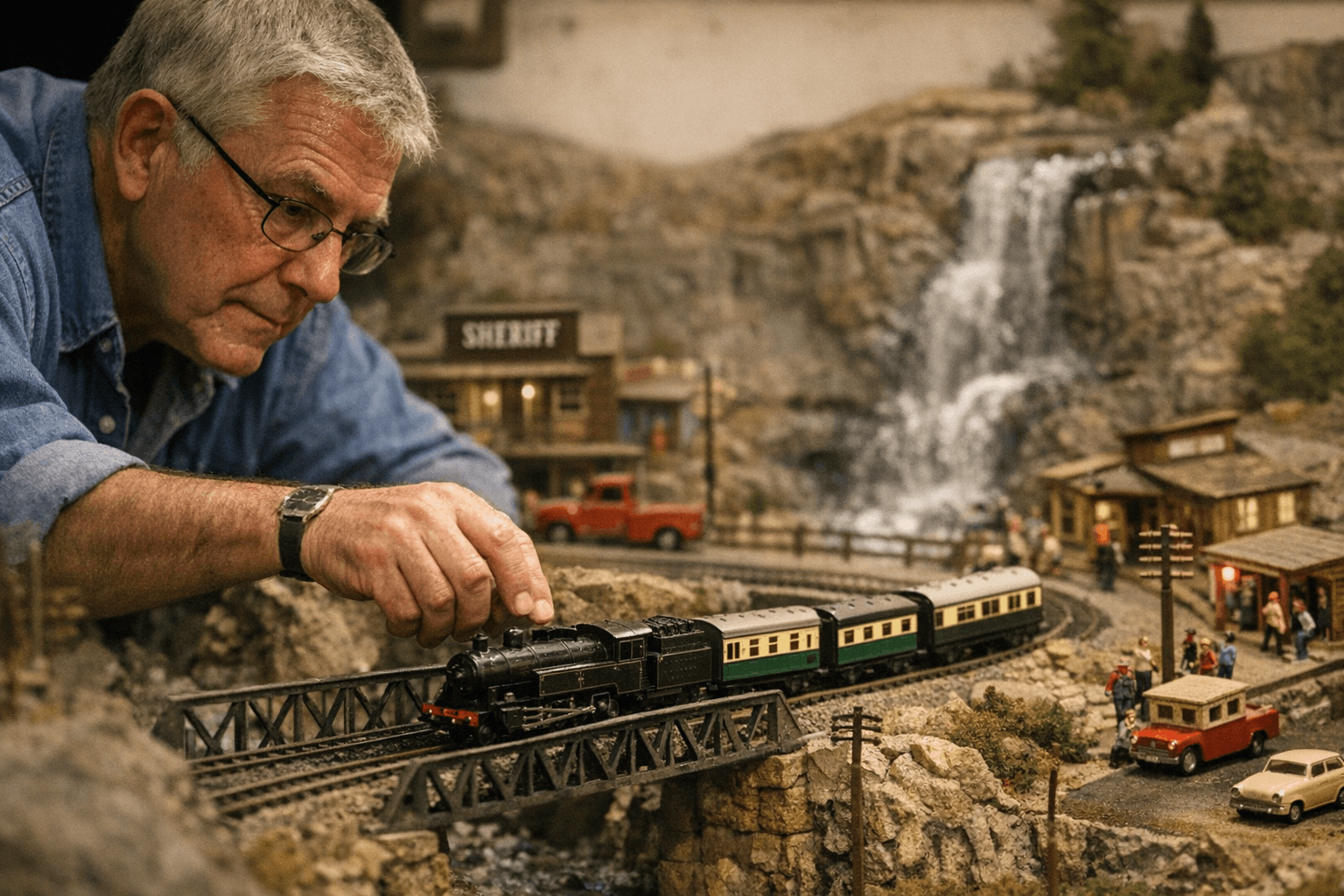
For operators planning to present older toy systems at shows, the layout provides concrete passages. Consider gapping problematic track to protect controllers, upgrade motors where necessary for long runs, and choose a compact roster that can handle continuous operation. Photographs and detailed builder notes accompany the layout tour, documenting methods for adapting limited original accessories so they read like the era but perform like modern displays.
The result is a layout that preserves the charm and visual vocabulary of Lone Star Treble O electric products while demonstrating repeatable techniques to keep those trains running reliably for audiences today.
Know something we missed? Have a correction or additional information?
Submit a Tip