Rediscovering The McDowell Times: Keystone’s Black Press and Coalfield History
The Library of Congress catalogue preserves The McDowell Times, Keystone’s African-American weekly (1904–1941). Its records matter for local history, genealogy, and understanding coalfield civic life.
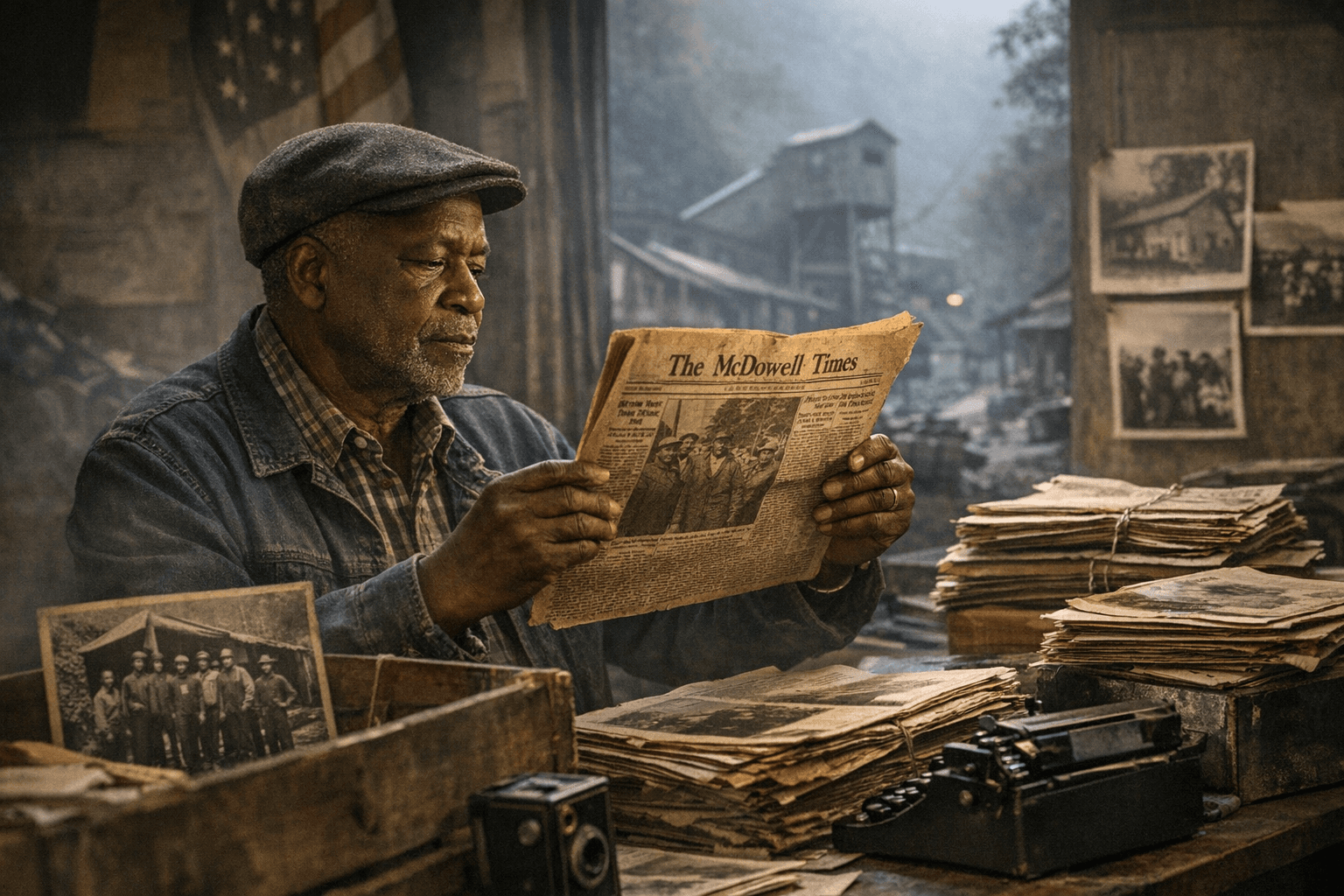
A preserved archival record of The McDowell Times sheds renewed light on McDowell County’s African-American civic life during the coal era. Published in Keystone from 1904 to 1941, the weekly served Black coalfield communities at a time of intense labor organizing, shifting local politics, and demographic change. The Library of Congress Chronicling America catalogue documents the paper’s run and the libraries that hold surviving issues, offering researchers a pathway to digitized copies, microfilm, and physical holdings.
The McDowell Times was part of a wider network of Black newspapers that provided news, opinion, and organizing space for African-American communities across Appalachia. In coal towns where company houses, company stores, and racially segregated labor systems shaped daily life, a weekly like The McDowell Times helped record local elections, labor disputes, church activities, school developments, and family milestones that rarely appeared in mainstream regional press. Those records now form a primary-source archive for local historians, genealogists, educators, and community groups seeking to place McDowell County’s past into fuller context.
For McDowell County residents, the catalogue entry is more than a bibliographic note: it is a map to firsthand material. The listing includes where issues survive on microfilm and which libraries maintain paper copies, and it notes that some issues have been digitized for online consultation. That access can inform classroom units on Appalachian history, support family history research for descendants of miners and their families, and strengthen museum and heritage tourism projects that aim to tell inclusive stories about the county’s past.
The record also connects local history to broader themes. Black presses in the early 20th century played roles in regional politics, labor debates, and community institution-building, and the survival of The McDowell Times helps scholars trace those linkages within McDowell’s coal economy and social landscape. Preserving and interpreting those issues can reshape how the county remembers its own past, expanding narratives beyond a single industry to the civic and cultural life that sustained families and neighborhoods.
Next steps for residents include consulting the Chronicling America catalogue entry to identify digitized issues and holding libraries, working with local schools and historical societies to integrate the material into curricula and exhibits, and supporting efforts to conserve fragile paper collections. As McDowell County continues to reckon with its coalfield legacy, The McDowell Times offers a direct line to voices that helped shape the county’s civic life and deserves a central place in local memory and research.
Sources:
Know something we missed? Have a correction or additional information?
Submit a Tip