Reds tie MLB record with seven straight walks in disastrous inning
Seven straight walks turned the Reds’ second inning into a five-run, no-hit collapse, tying an MLB record and exposing shaky command in one brutal frame.
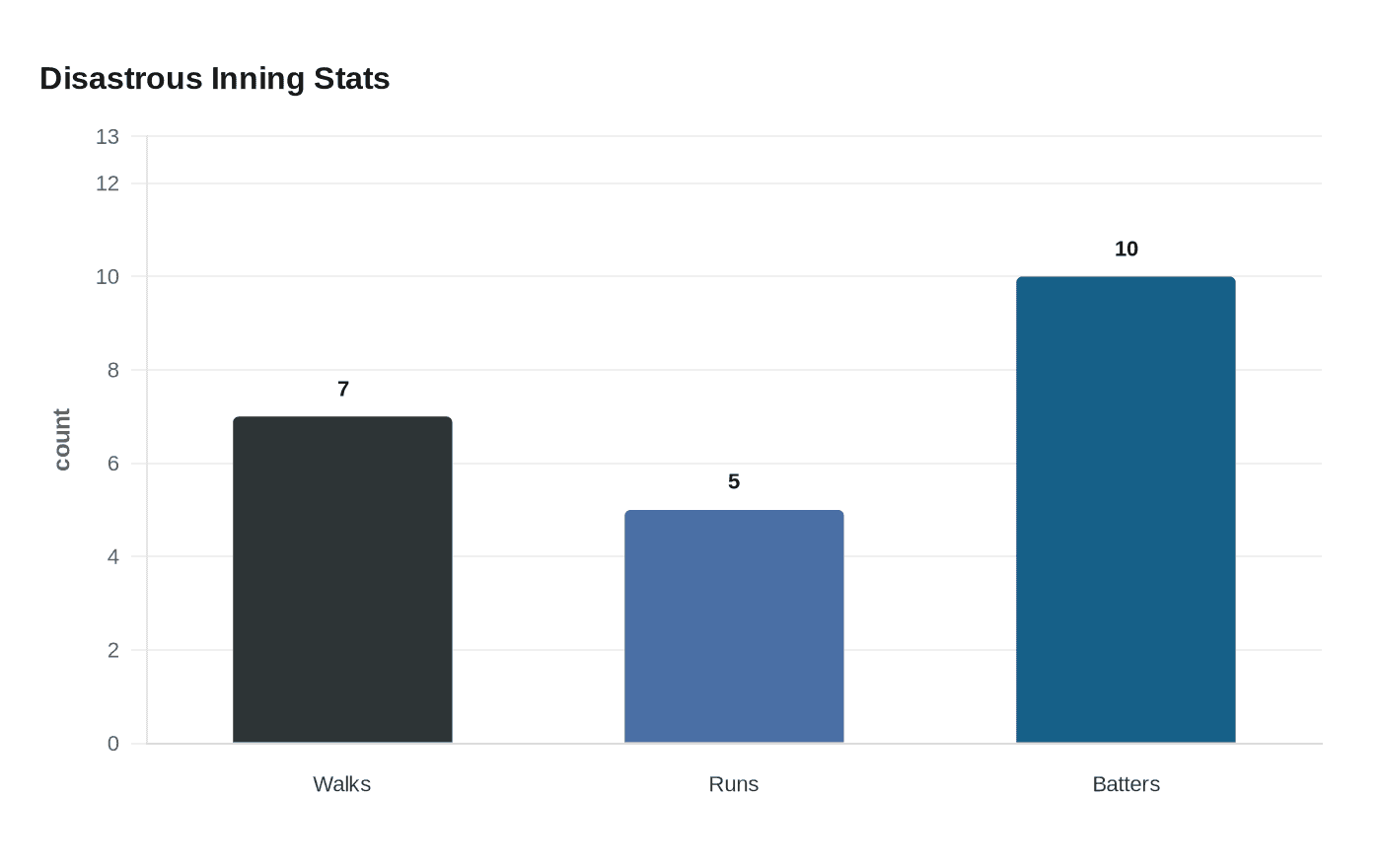
The Cincinnati Reds turned a routine road night into a statistical disaster at PNC Park, issuing seven straight walks in the second inning of a 17-7 loss to the Pittsburgh Pirates. The frame produced five runs without a hit, sent 10 Pirates batters to the plate and tied the major league record for consecutive walks, a feat that has now happened only three times in MLB history.
The rarity is part of what made the inning so jarring. The only other teams to hand out seven straight walks were the 1983 Atlanta Braves, who did it against Pittsburgh on May 25, and the 1909 Chicago White Sox, who did it against Washington on Aug. 28. That gives the Pirates a strange place in the record book, as the opponent in two of the three instances, spanning more than a century of baseball.

Rhett Lowder started the unraveling, walking the first three batters he faced in the second before leaving the game. Connor Phillips then lost the strike zone as well, walking four more straight Pirates and throwing only five strikes in 21 pitches. Sam Moll finally stopped the bleeding, getting Henry Davis to ground into an RBI fielder’s choice before retiring Oneil Cruz, but by then the inning had already become the kind of collapse that changes a game and lingers far longer than a single loss.
Lowder was charged with eight runs in 1 1/3 innings, allowing five hits and four walks as his ERA jumped from 3.18 to 5.09. Entering Saturday, he had not pitched fewer than five innings or allowed more than four earned runs in any of his first six starts, which made this outing look less like an established pattern than a sudden breakdown in command. Even so, the Reds cannot ignore how quickly the inning exposed the thin margin between a competitive start and a staff unraveling under pressure.
Terry Francona called the outing “really uncharacteristic” for Lowder and said the club had hoped to get him deeper into the game, but did not want a bad day to carry over. Lowder was blunter afterward: “No excuses for that. I just didn’t really have anything today. I was trying and just couldn’t get back in the zone.” Ryan O’Hearn, reflecting Pittsburgh’s approach, said the Pirates were happy to score “any way possible,” and that the offense was proud of how it kept taking free passes.
For Cincinnati, the inning was more than a freak event. It was a reminder that when command disappears, depth gets tested immediately, and managers are forced into damage control long before the lineup turns over.
This article was produced by Prism’s automated news system from verified source data, official records, and press releases, then run through automated quality and moderation checks before publishing. The system is built and supervised by the people who set the standards it runs under. Read our full AI policy.
Did this article answer your question?