Refn returns to Cannes with film about algorithms and storytelling
Refn returned to Cannes after a decade with a fogbound thriller about algorithms, stories and a near-death reset that sent him back to feature film.
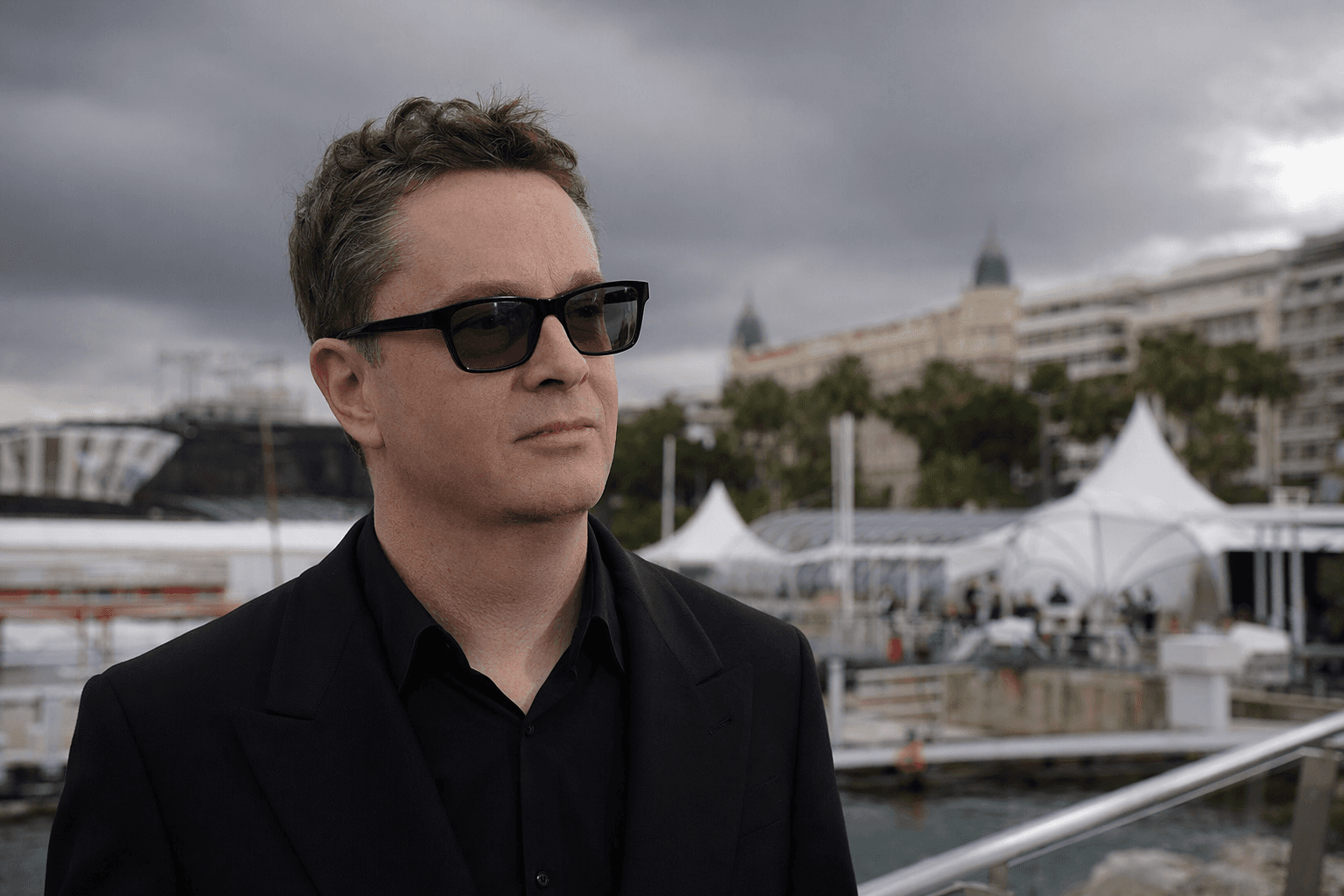
Nicolas Winding Refn came back to Cannes with Her Private Hell, a 109-minute out-of-competition feature that turns algorithms into a central part of the storytelling problem he has been circling for years. The Danish director framed the film as a meditation on how modern media shapes the stories people tell themselves, a theme that fits a career built on stylized violence, neon-lit surfaces and psychological unease.
The film arrives as Refn’s first feature in a decade and his fifth Cannes appearance, after a 10-year absence from the festival. Cannes history still defines his place in the lineup: Drive won him Best Director in 2011, he returned with Only God Forgives in Competition in 2013, and The Neon Demon followed in 2016. Her Private Hell signals that Refn has not abandoned the look or mood that made those films divisive and influential, but he is now folding that sensibility into a story shaped by the logic of feeds, not just genre.
Cannes listed the film as a 2026 title with a 2025 production date, and its official synopsis sets the action in a futuristic metropolis engulfed by a strange fog. A troubled young woman searches for her father while an American GI, played by Charles Melton, fights through Tokyo’s underworld to rescue his own kidnapped daughter. The cast also includes Sophie Thatcher, Havana Rose Liu, Kristine Froseth, Diego Calva, Dougray Scott, Shioli Kutsuna, Aoi Yamada and Hidetoshi Nishijima, with music by Pino Donaggio and score credits to Matthew Newman.
Refn has said the project grew out of a severe health crisis in 2023, when he was dead for about half an hour before being revived. That near-death experience appears to have reset his creative timeline as much as his personal one, and the film’s fluid production, with cast members describing dreamlike changes from day to day, suggests a director still willing to improvise inside his own highly controlled aesthetic.
The early Cannes response underlined that Refn remains a festival figure with strong pull, even in a landscape shaped by different viewing habits and new cultural politics. Reports from the premiere said the film drew a 12-minute standing ovation. Neon plans a July 24, 2026 U.S. release in a moderate rollout of roughly 800 to 1,200 theaters, positioning the film for an audience that still turns out for Refn’s trademark mix of art-house provocation and genre spectacle.
This article was produced by Prism’s automated news system from verified source data, official records, and press releases, then run through automated quality and moderation checks before publishing. The system is built and supervised by the people who set the standards it runs under. Read our full AI policy.
Did this article answer your question?