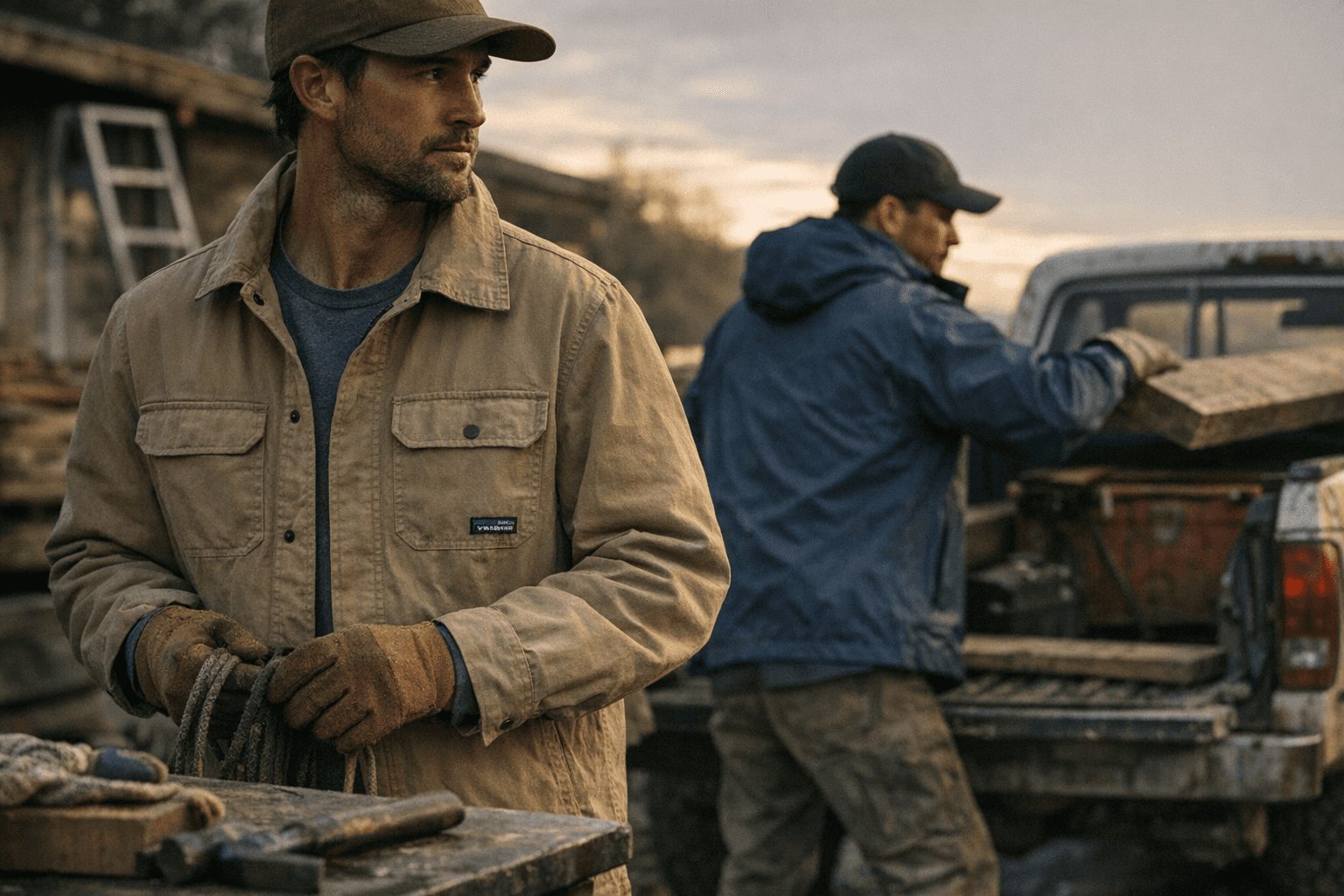
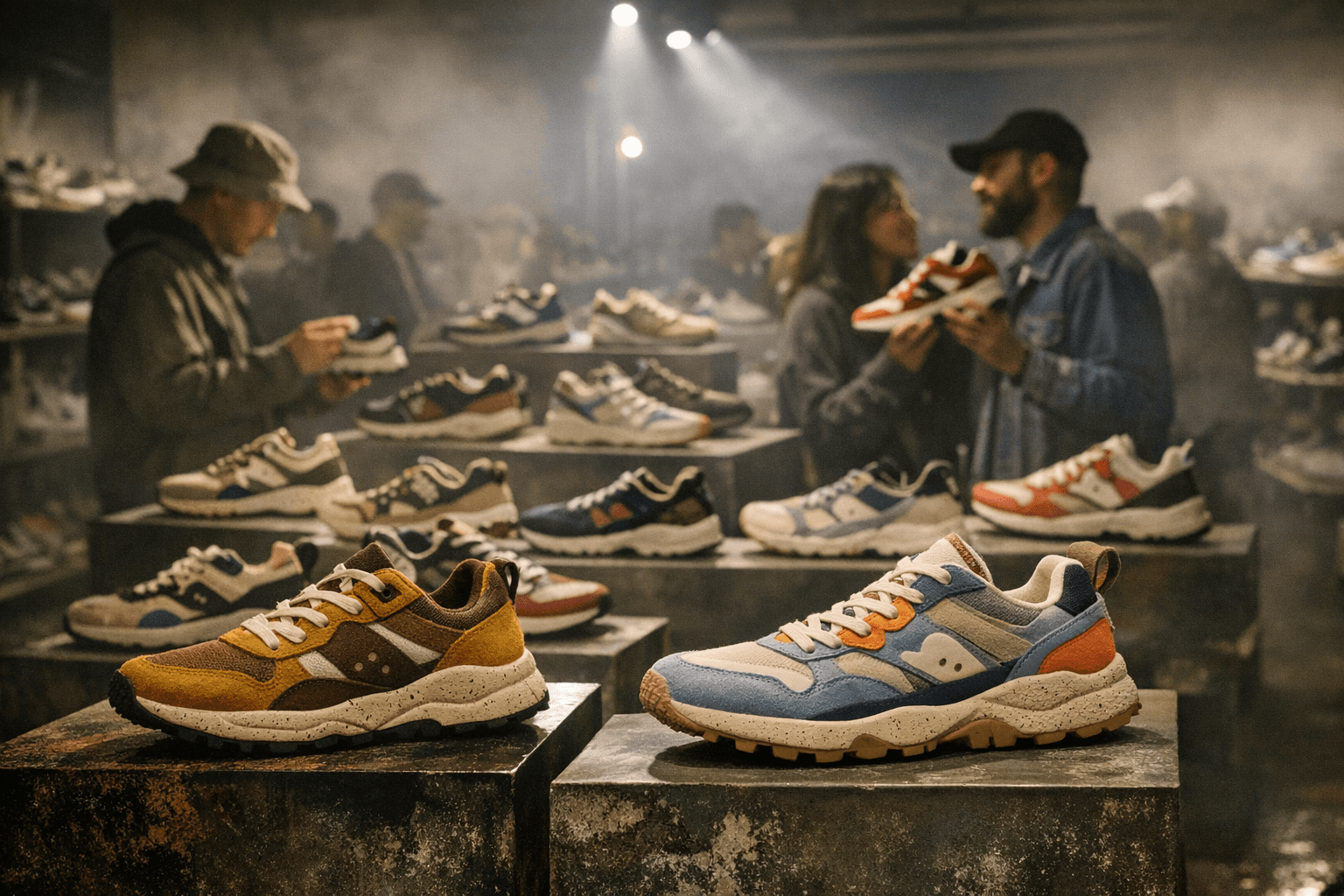
Regulatory shifts and recycling projects transform sustainable workwear and uniforms
Regulations are tightening and real circular projects — from Buzigahill’s Uganda upcycles to brand deadstock programs — are forcing uniforms and workwear to reckon with reporting, waste and worker pay.
1. Regulatory reporting changes are reshaping workwear and uniform brands
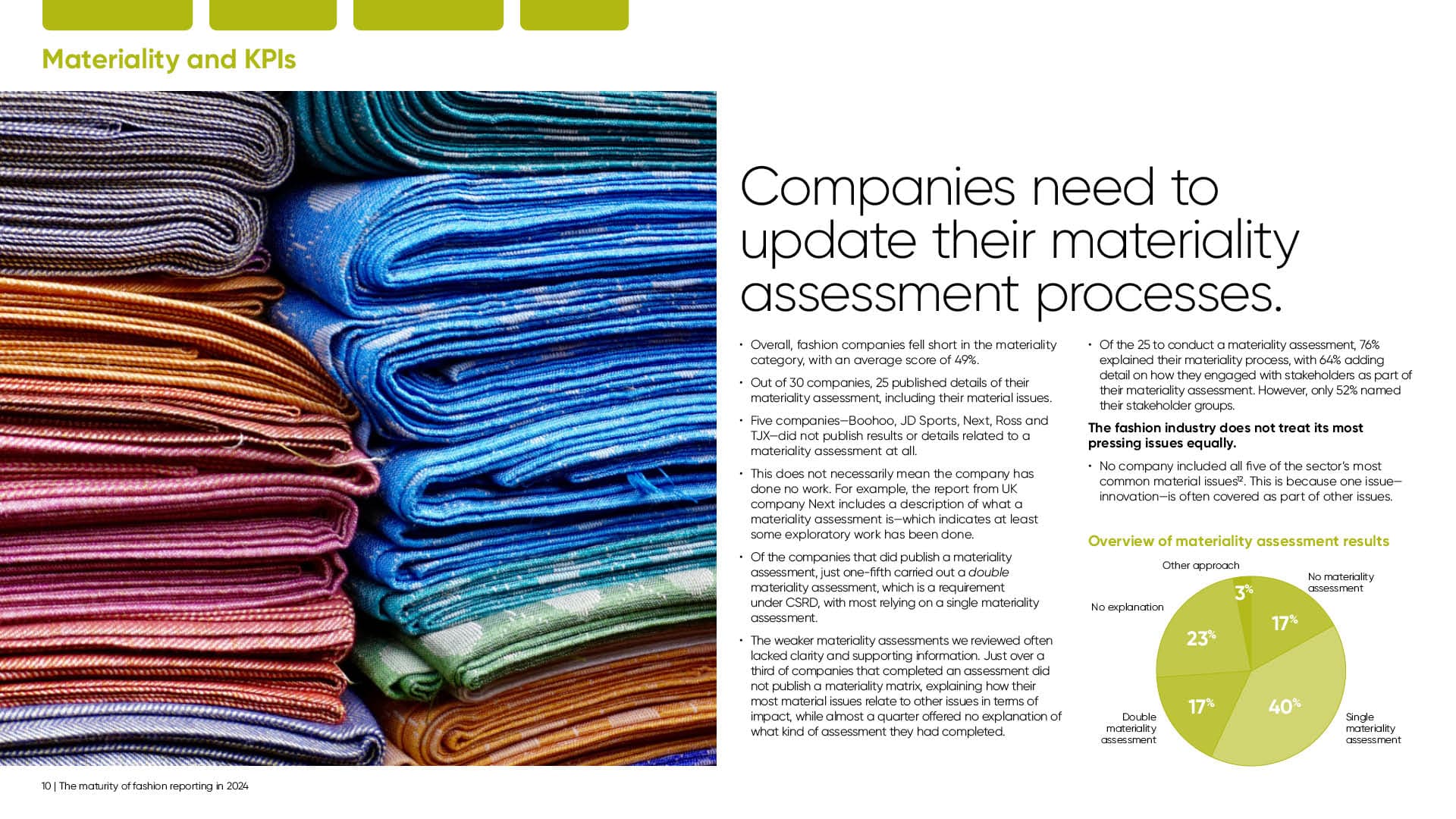
A March 2, 2026 monthly roundup flagged regulatory and industry developments that change how brands — including those making workwear and uniforms — must report on sustainability. That matters because workwear makers run long supply chains and bulk contracts; new reporting will demand clearer carbon, water and waste metrics from factories and procurement teams. Expect procurement specs and supplier audits to become table stakes, not PR talking points.
2. Fashion’s carbon footprint is impossible to ignore
Across the conversation the sector’s climate bill keeps coming back to one number: fashion accounts for roughly 10% of global greenhouse gas emissions, a figure repeated in multiple analyses and notable because it outpaces emissions from maritime shipping and international flights combined. British Vogue offers a wider range (four to ten per cent), but the dominant 10% figure is the one buyers, procurement heads and uniform specifiers should be budgeting against when they order bulk runs.
3. Emissions are set to climb fast — and individual garments matter
Fashion emissions are projected to grow by 50% by 2030 unless the supply chain changes, and small items add up: producing one white cotton t‑shirt has the same emissions as driving about 35 miles in a car. For uniform programs ordering thousands of tees, polos or work shirts, that per-item footprint scales into a carbon line item you can’t ignore.
4. Water use is massive and specific
Textile production uses an astonishing 93 billion cubic metres of water annually — the equivalent to 37 million Olympic swimming pools — while conventional cotton alone can demand about 20,000 litres of water per kilogram. Workwear fabrics that lean on cotton or heavy finishes are therefore not just tactile choices; they’re massive water commitments that should factor into supplier selection and lifecycle assessments.
5. Wastewater and toxic dyes are a corporate liability
The industry generates around 20% of global wastewater and dyeing processes consume roughly 43 million tonnes of chemicals every year. For uniform programs, that translates into reputational and regulatory risk if suppliers discharge poorly treated effluent — buyers need to specify wastewater controls and chemical management up front.
6. Microfibres are the invisible pollution from everyday garments
Half a million tonnes of plastic microfibres end up in the oceans annually — framed as the equivalent of 50 billion plastic bottles — which is especially relevant for synthetic-performance workwear, fleece layers and easy-care uniforms. Choosing blends, knit types and finishes with microfibre loss in mind should be part of material specs, not an afterthought.
7. Pesticide load from textiles is nontrivial
Conventional fiber agriculture feeds the wider environmental cost: fashion is responsible for roughly 10–20% of pesticide usage. For uniforms still made from conventional cotton, that means the seasonality and sourcing of raw materials are as important as the cut or color.
8. Waste streams and secondhand are getting creative
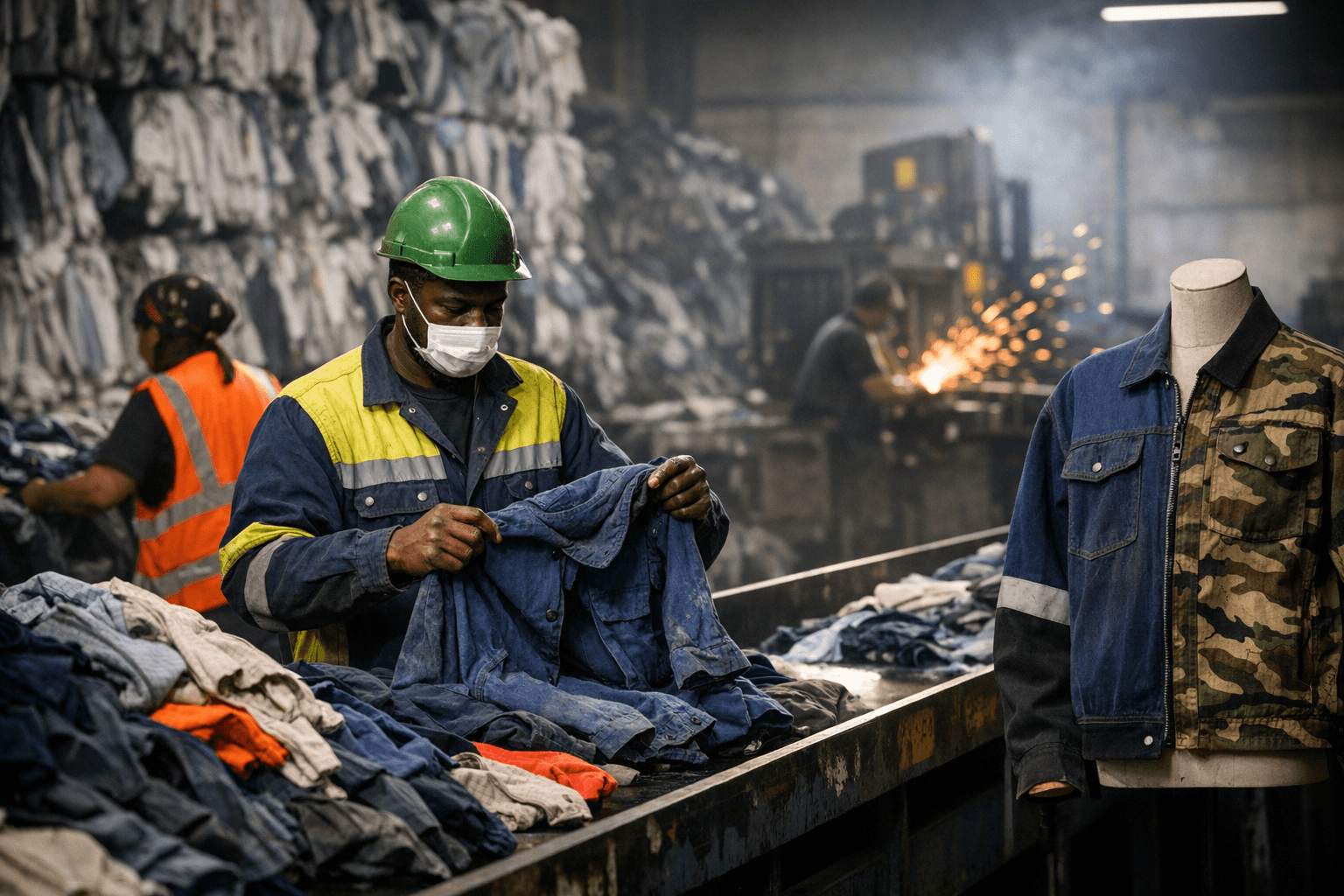
There’s a new generation of projects that intercept textile waste and rebuild value — Buzigahill, for example, transforms secondhand clothes sent to landfill in Uganda into new pieces. For organizations looking to refresh uniforms without the environmental hit of new production, circular buyback or local upcycling pilots like these provide a model to test at scale.
9. Deadstock and upcycling labels point the way forward
Independent labels proving the economics of deadstock include E.L.V. Denim, Hodakova and Jawara Alleyne; designers such as Ahluwalia, Connor Ives and Collina Strada also use upcycled textiles in product work. Those practices show how workwear programs can reduce waste and add texture — think panels of repurposed denim or contrast pieces made from deadstock that actually age better than fast industrial polyesters.
10. Textile recycling pilots are multiplying — details still matter
The March 2 roundup highlighted examples of new circularity and textile recycling projects, signaling more pilots and partnerships in the pipeline for brands and uniform suppliers. That trend means procurement teams should start asking for pilot metrics (collection volumes, fiber recovery rates, and end‑product quality) rather than vague promises.
11. Labor violations remain a systemic shadow
Sustainability isn’t just carbon and water — it has people dimensions. Unsafe working conditions, wage theft and child labor are still recorded across manufacturing hubs in the Global South, and the social cost must factor into any sustainable workwear program’s supplier evaluation.
12. The living wage gap is a stubborn metric to fix
Analysis cited shows a stark disparity: the gap between minimum wage and a living wage in nearly 30 garment-producing countries averages about 48.5%. For uniforms sourced offshore, that number is a reminder that the cheapest unit cost often externalizes human costs — contracts and sourcing strategies need living-wage pathways built in.
13. Supply-chain scandals keep luxury and workwear buyers honest
There’s a troubling, partial disclosure in the public record: “In July, it was discovered that a company in Italy contracted by luxury brands, including Dior and [...]” — a truncated line that nevertheless underscores how linked big-brand contracting is to hidden supplier risks. If luxury supply chains can be implicated, so can the outsourced laundry lists of workwear suppliers used by corporations and institutions.
14. Redistribution, procurement pledges and radical consumer options are in play
Tactical buying programs are emerging as tools for redistribution: Aurora James’ 15% Pledge encourages citizens to buy 15% of purchases from Black‑owned businesses and hosts a directory to explore. Atmos Earth also urges policies such as buying from Indigenous and marginalized‑community designers as a form of wealth redistribution — while the most radical consumer option they note is to stop spending and wear what you already own. For uniform managers, that means rethinking replacement cycles, mending programs, and sourcing from community suppliers where possible.
15. Brands and categories already offering sustainable options for uniforms
Category examples from the market show where to look: sustainable basics and active fabrics come from players like Girlfriend Collective and Indigo Luna; sustainable swim and technical pieces are being tackled by Stay Wild and Fisch; denim alternatives and remade denim are offered by Outland Denim, Re/Done and E.L.V. Denim. Those labels give procurement teams tangible partners when they need to swap conventional contract pieces for lower-impact textiles and documented circular practices.
Conclusion: The convergence of tighter reporting, glaring environmental metrics and live circular projects is forcing workwear and uniform programs out of the cheap-and-disposable era. If you spec uniforms without demanding data on carbon, water, chemicals, worker pay and end‑of‑life plans, you’re buying yesterday’s problem — and today’s compliance headache. The smart play is to pilot collection and recycling, mandate supplier transparency, and start treating uniforms as durable, repairable assets rather than single‑season throwaways.
Know something we missed? Have a correction or additional information?
Submit a Tip