Religious leaders condemn violence after protests over Henry Nowak murder
Sikh leaders urged calm after protests over Henry Nowak’s killing turned violent in Southampton, injuring 11 officers and a police dog.
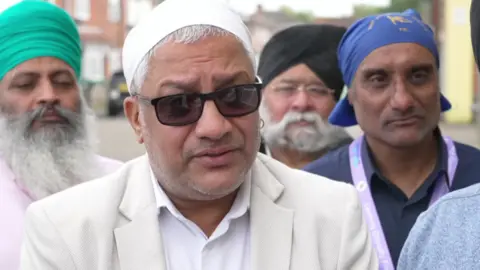
Religious leaders moved quickly to contain the fallout from the killing of Henry Nowak, warning that one act of violence must not be allowed to harden into wider communal rupture. The appeal for restraint came after protests over the 18-year-old Polish-British university student’s murder in Southampton turned violent, deepening concern about public order and the risk that grief could be turned into retaliation.
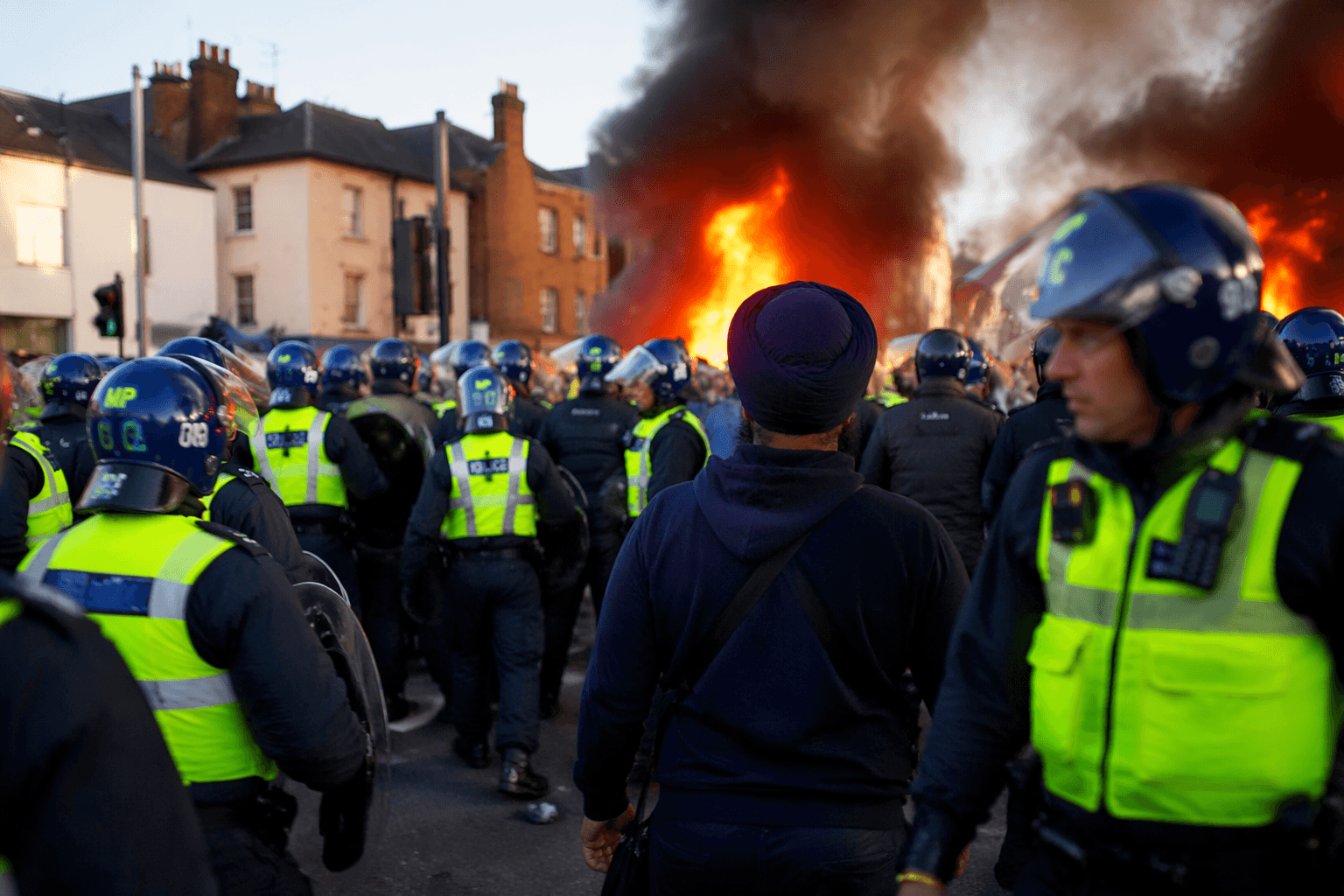
Nowak was killed on December 3, 2025, in a case that has drawn wide attention across the UK. The latest unrest linked to the killing left 11 police officers and one police dog injured, and led to two arrests after clashes near the site of the fatal stabbing. What began as a “Justice for Henry Nowak” rally in Southampton escalated into a riot, underscoring how quickly anger around a high-profile death can spill into street violence.
Sikh leaders were among those calling for calm, joining other religious voices in condemning violence and urging harmony. Their message carried added weight because Sikh communities have long faced the threat of hate-motivated backlash when communal tensions rise. In public appeals, the emphasis has been on preventing Nowak’s death and the protests that followed from becoming fuel for broader mistrust or anti-Sikh hostility.
That sensitivity is rooted in memory. The 2012 shooting at the Sikh Temple of Wisconsin in Oak Creek killed six worshippers and wounded four others, making it the deadliest anti-Sikh hate crime in U.S. history. The attack remains a touchstone for Sikh advocacy around religious safety and interfaith solidarity, and it continues to shape how Sikh leaders respond when fear and anger begin to spread beyond a single incident.

The contrast is stark. On one side is a family and community mourning an 18-year-old student killed in Southampton. On the other is the danger that protests, once they turn destructive, can inflame suspicion far beyond the original crime. Religious leaders are trying to keep that door closed, urging police, institutions and community figures to respond fast enough to stop bereavement from becoming a political weapon.
This article was produced by Prism’s automated news system from verified source data, official records, and press releases, then run through automated quality and moderation checks before publishing. The system is built and supervised by the people who set the standards it runs under. Read our full AI policy.
Know something we missed? Have a correction or additional information?
Submit a Tip