Rep. Gabe Vasquez condemns $1.6B Bootheel wall in Hidalgo County, urges technology
Rep. Gabe Vasquez condemned a $1.6 billion Bootheel border wall and urged investment in detection technology to protect Hidalgo County lands and the Continental Divide Trail.
Congressman Gabe Vasquez on January 14 publicly denounced the Department of Homeland Security’s plan to build roughly $1.6 billion worth of border barriers in New Mexico’s Bootheel, arguing the project would waste taxpayer dollars and harm local lands and trails. The proposal calls for a 49-mile primary barrier and about 60 miles of secondary barrier, with patrol roads and detection equipment, and Vasquez said his office witnessed early preparations including newly cut dirt access roads on the ground in Hidalgo County.
Vasquez framed his opposition around fiscal stewardship and practical alternatives, urging the administration and Congress to prioritize smart border security technology such as autonomous towers, aerostats and other detection systems over costly physical walls. He characterized the Bootheel project as “the absolute definition of waste.” His release also pushed for funding for training and mental-health support for Border Patrol agents alongside technological investments, and asked for congressional oversight of the plan.
Beyond the budgetary critique, the project raises environmental and recreational concerns across Hidalgo County. Advocacy groups cited in the release warned the wall would alter the southern terminus of the Continental Divide National Scenic Trail and disrupt wildlife migration corridors that cross the Bootheel. Those impacts carry potential consequences for outdoor recreation, local tourism and the region’s ranching and conservation mix of land uses.
Local officials and residents will confront a range of practical issues if construction proceeds. The added footprint of primary and secondary barriers, combined with patrol roads, could change land access patterns and increase heavy vehicle traffic in remote areas. Vasquez’s staff observed early construction staging behavior that residents and landowners will likely monitor closely as federal planning and permitting move forward.
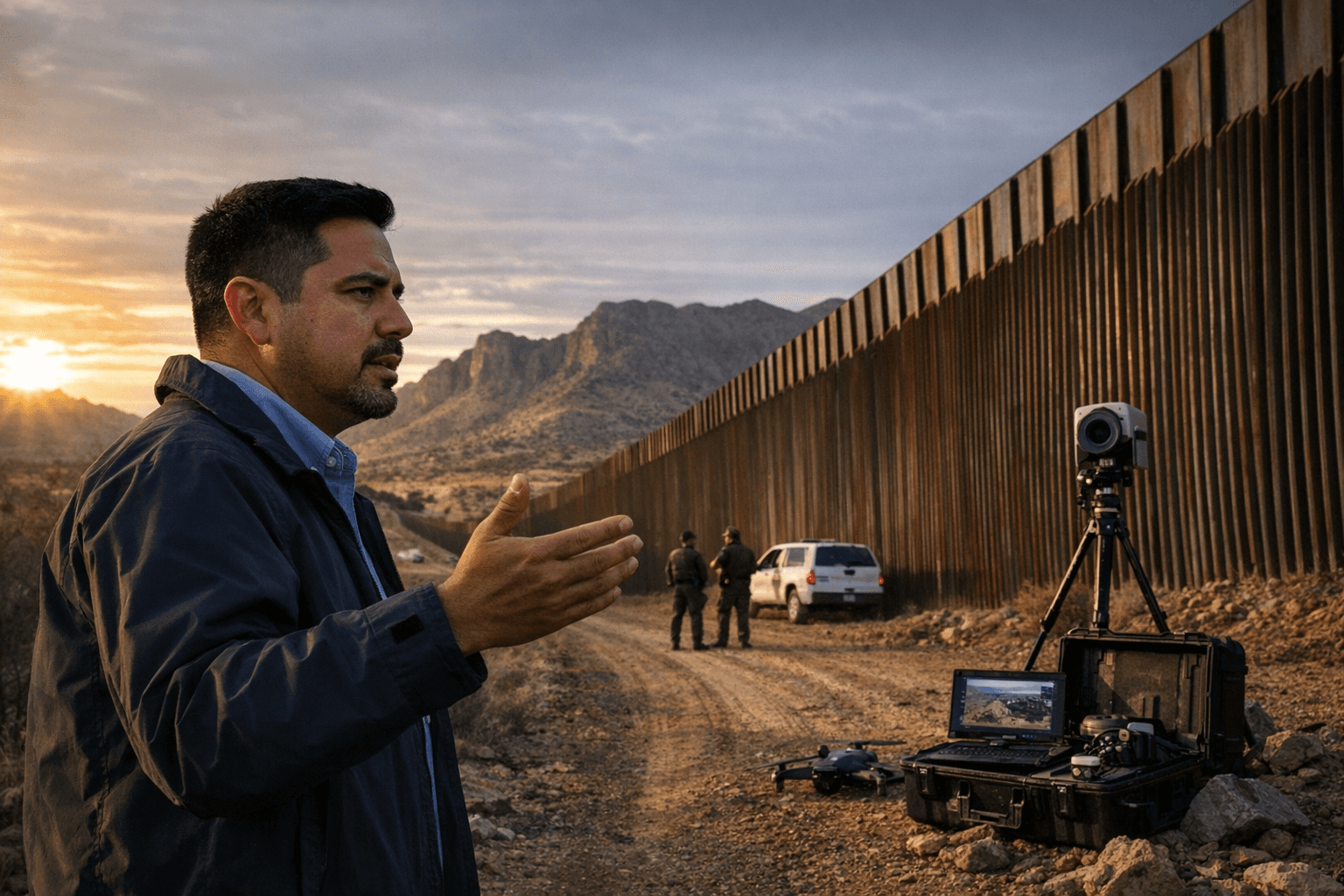
The dispute over the Bootheel project reflects broader questions about how to marry border security policy with rural land stewardship in the Southwest. Hidalgo County residents have a stake in whether federal dollars go toward long-term infrastructure that reshapes landscapes or toward tech-driven detection and personnel investments that federal and local officials say could be deployed with less permanent impact on trails and habitat.
What happens next will include congressional scrutiny, DHS funding decisions and continued local oversight of any construction activity and environmental reviews. Hidalgo County residents, trail users and conservation stakeholders can expect follow-up actions from lawmakers and agencies as the plan advances and as alternatives to a fixed wall remain part of the policy debate.
Sources:
Know something we missed? Have a correction or additional information?
Submit a Tip