Report finds rescuers were blocked from Amal Khalil as she was alive
Rescuers could not reach Amal Khalil while she was still alive, after strikes trapped the veteran reporter under rubble in southern Lebanon and delayed medical access for hours.
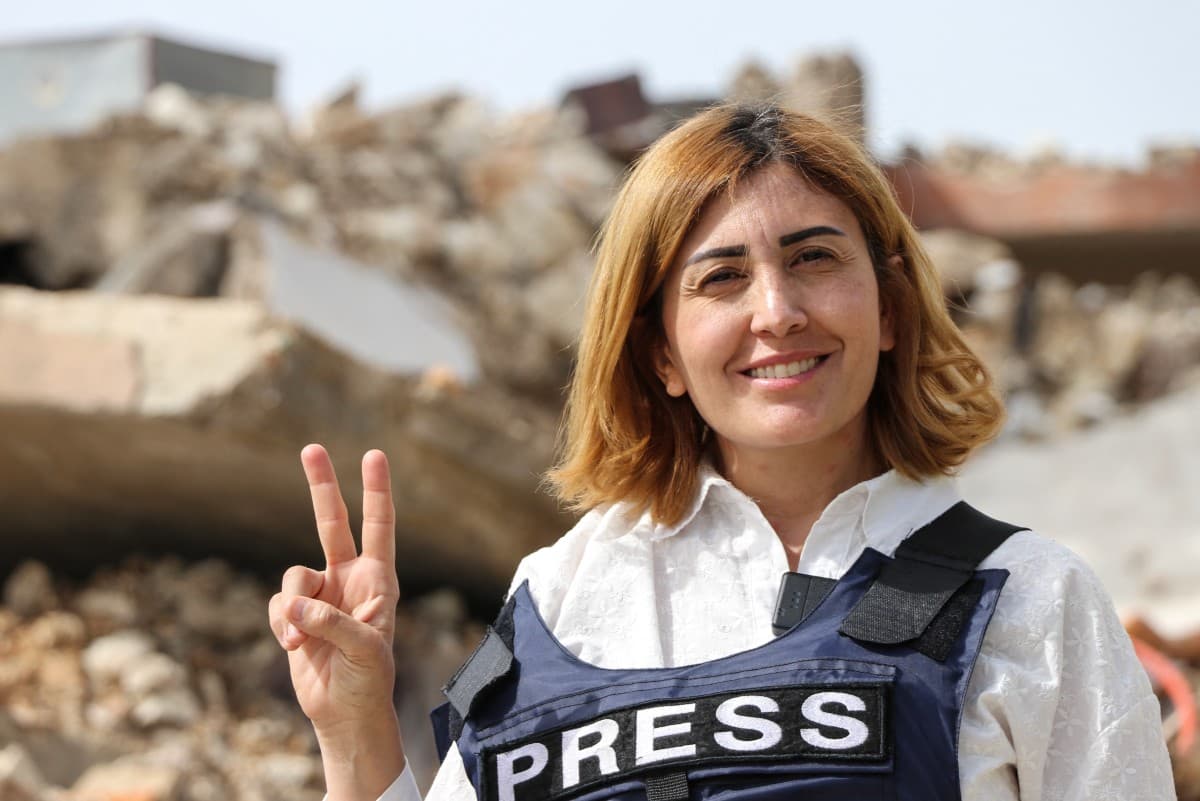
Rescuers were kept from Amal Khalil while she was still alive, after Israeli strikes in southern Lebanon trapped the veteran Al-Akhbar reporter under rubble in al-Tayri. The case has become a stark test of how military authorities handle access to wounded civilians and journalists in an active combat zone.
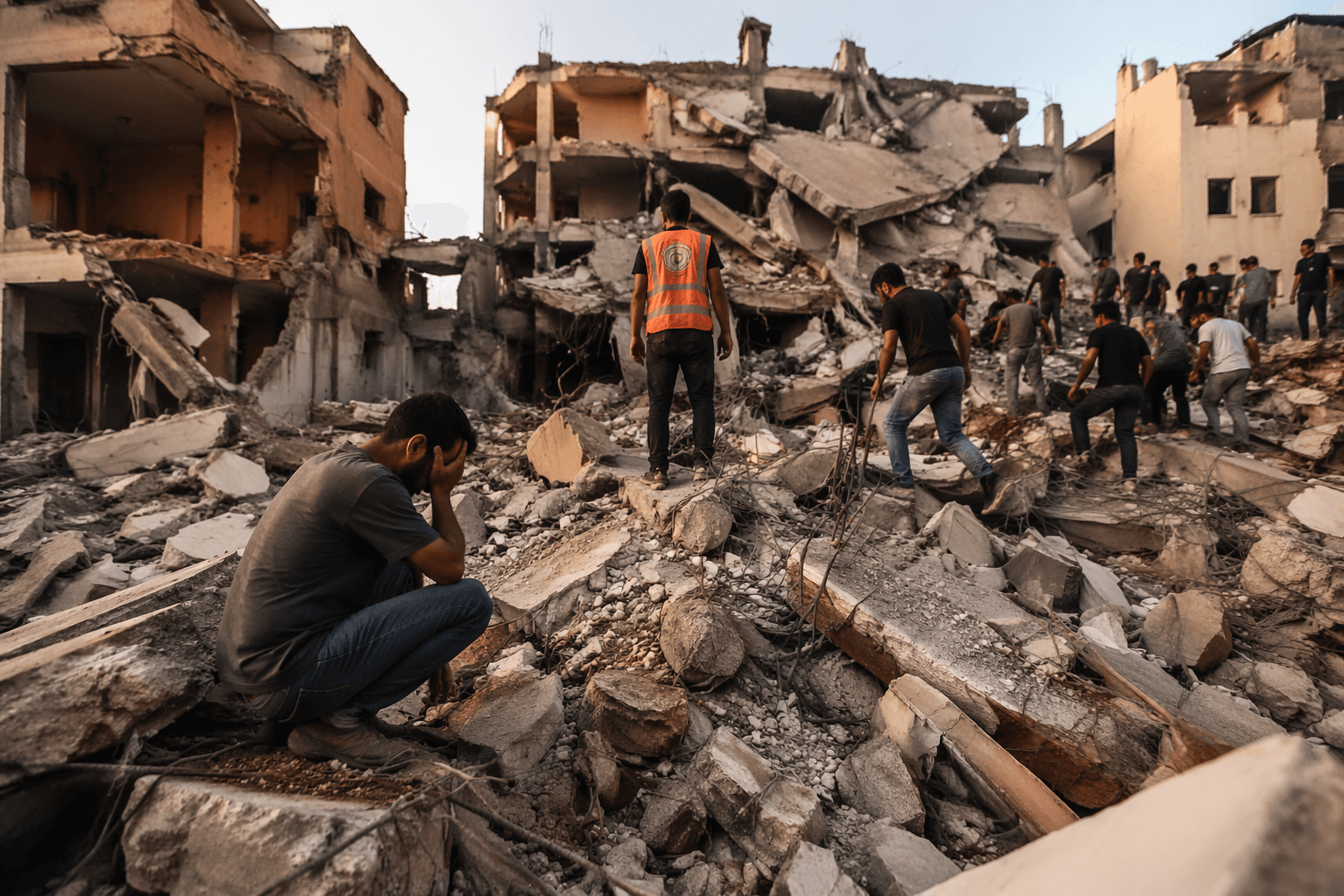
Khalil was reporting on April 22, 2026, when an initial strike hit a vehicle near the car she was traveling in with freelance photojournalist Zeinab Faraj. The two sought shelter in a building in al-Tayri, where a second strike brought the structure down on them. The Committee to Protect Journalists said Khalil was last heard from at about 4:10 p.m. local time, and that the Lebanese Red Cross had to wait for Israeli authorization before re-entering the site after coming under fire and being forced to withdraw.
That delay is central to the charge now hanging over the case. CPJ said the failure to allow medical crews access in time may constitute a war crime, and it said Khalil had reportedly received a death threat attributed to the Israeli Defense Forces in September 2024. Reporters Without Borders said it began publicly alerting Israeli authorities and allies at 17:00 Paris time as rescue teams tried to reach the site, but ongoing shelling and direct fire on ambulances kept them away.
Khalil’s body was recovered only hours later. Al Jazeera reported that it was found shortly before midnight, more than seven hours after the attack. Reuters and other outlets said Lebanese rescue teams eventually entered with an army escort and a bulldozer, while UNIFIL and the 2024 ceasefire mechanism were contacted during the search.
The killing landed inside a ceasefire that took effect on April 16, 2026, but it also fit a broader pattern that press freedom groups say cannot be ignored. CPJ said Israel had killed 15 journalists and media workers in Lebanon since October 7, 2023. Lebanese Information Minister Paul Morcos called the strike a grave crime and said Khalil was targeted while carrying out her professional duty. Prime Minister Nawaf Salam went further, accusing Israel of crimes against humanity.
For investigators and humanitarian lawyers, the unanswered question is not only who fired, but why rescue access was delayed when Khalil was still alive. The answer will shape more than one death: it goes to the core of how wars are fought, how civilians are protected, and whether journalists can still rely on the laws meant to shield them.
This article was produced by Prism’s automated news system from verified source data, official records, and press releases, then run through automated quality and moderation checks before publishing. The system is built and supervised by the people who set the standards it runs under. Read our full AI policy.
Know something we missed? Have a correction or additional information?
Submit a Tip