Republicans weigh two-track plan to fund Homeland Security during shutdown
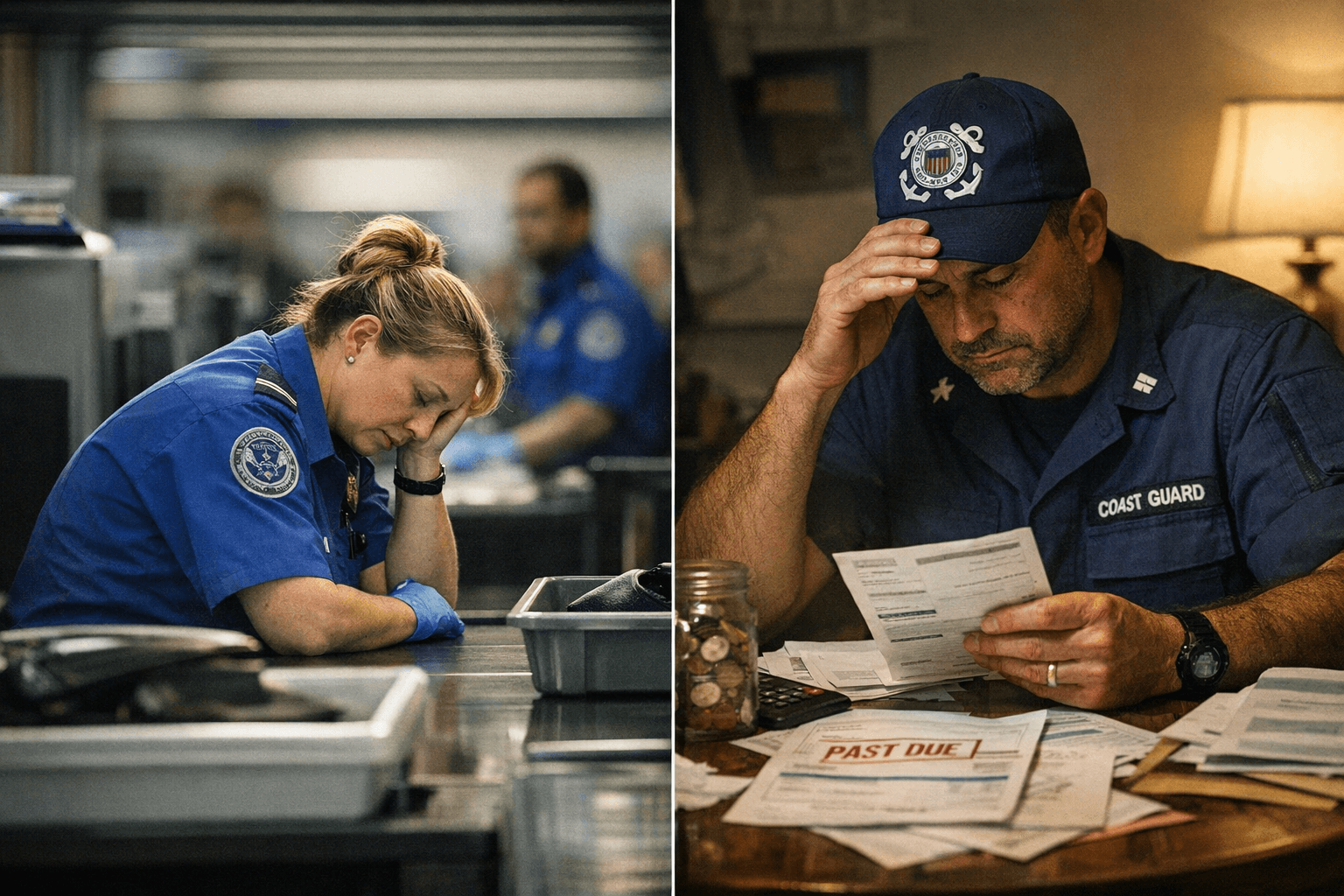
Republicans are split over how to reopen Homeland Security, as TSA officers work unpaid and the Coast Guard piles up backlogged bills after 60 days.
Republicans have spent months promising border security, yet their shutdown fight has left the Department of Homeland Security, the department that runs airport screening, immigration enforcement and disaster response, caught in a funding standoff.
The partial shutdown began on February 14, after Congress failed to enact DHS funding. By late March, the House and Senate had already moved in different directions. The House passed a 60-day stopgap on March 27 by a 213-203 vote, keeping every DHS agency funded at current levels through May 22. The Senate, meanwhile, advanced a narrower plan that would reopen most of the department but leave Immigration and Customs Enforcement and parts of Customs and Border Protection out of the bill.
The split shows the governing contradiction at the center of the Republican fight. A full DHS bill would cover the Transportation Security Administration, Customs and Border Protection, Immigration and Customs Enforcement, the Coast Guard, the Federal Emergency Management Agency and the Cybersecurity and Infrastructure Security Agency. But the Senate plan would protect most of those operations while denying money to ICE and some CBP functions, a move that turns the party’s border-security message into an argument over which enforcement tools deserve paychecks.
The shutdown’s real-world effects have already spread beyond Capitol Hill. TSA officers have been working without pay, airport delays have worsened, and Coast Guard civilian employees have missed paychecks while the service has faced unpaid utility bills and other operational backlogs. Those strains hit not just screening lines and ports of entry, but also the broader federal machinery that supports disaster response and cyber defense.
Republican leaders then embraced a two-track strategy, saying they would try to fully fund DHS through both the appropriations process and a reconciliation bill after President Donald Trump publicly urged them to get the department funded. Trump also said he would sign an order to pay all DHS employees as Congress moved toward reopening most of the department. But Senate talks hit another roadblock after Trump called on Republicans to hold out for an elections bill, and by mid-April the shutdown had stretched past 60 days with no final House vote scheduled. That left DHS officials warning of deeper backlogs and growing strain on critical security missions.
This article was produced by Prism’s automated news system from verified source data, official records, and press releases, then run through automated quality and moderation checks before publishing. The system is built and supervised by the people who set the standards it runs under. Read our full AI policy.
Did this article answer your question?

