Rescuers Race to Evacuate as Sumatra Floods Force Thousands Out
Heavy rains on November 27 triggered floods and landslides across multiple districts on Sumatra island, prompting an urgent rescue operation as hundreds were stranded and thousands displaced. The scale of infrastructure damage and the deployment of military and disaster teams underscore mounting economic and policy challenges for regional authorities.
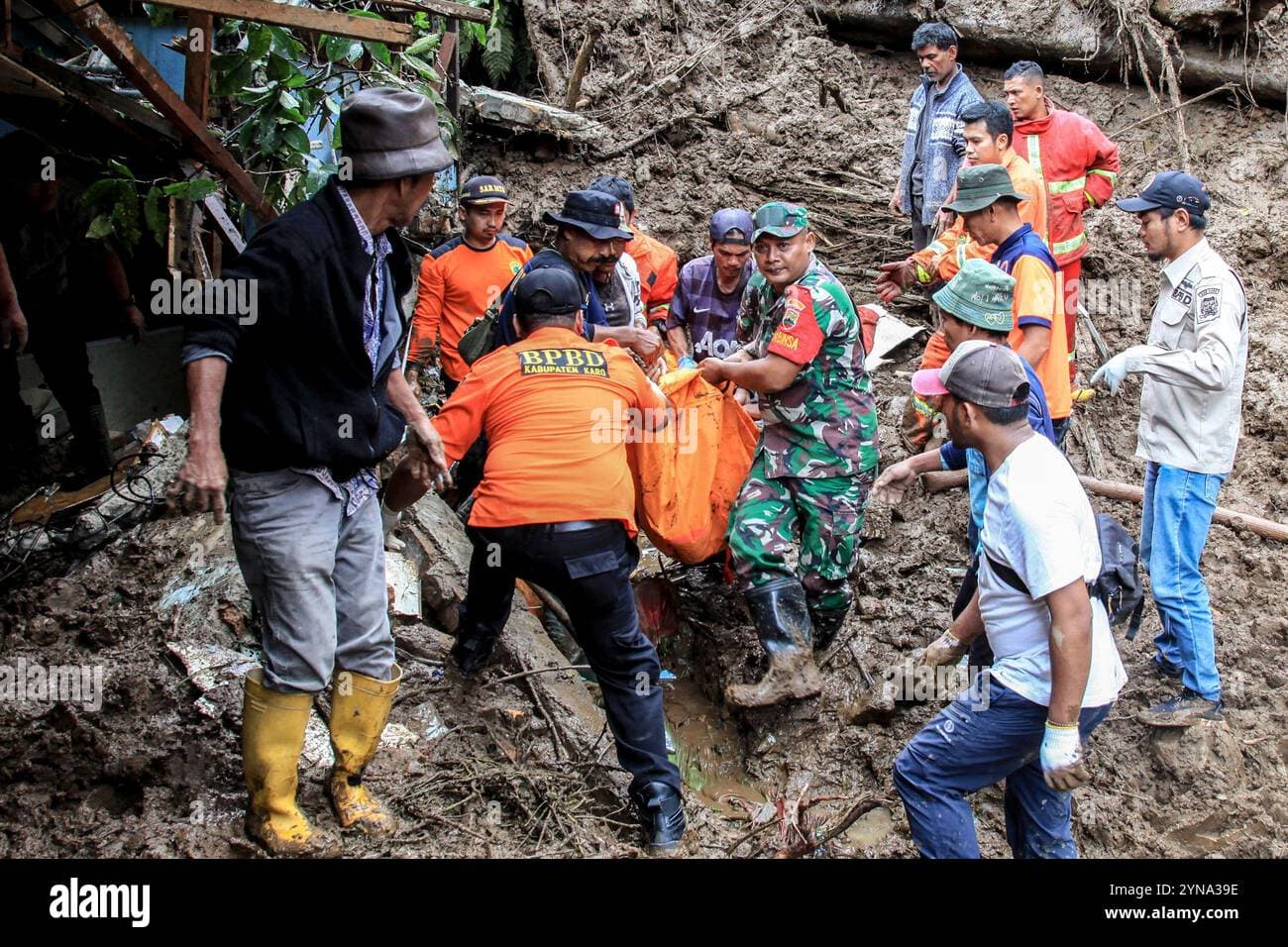
Heavy seasonal rains on November 27 produced flash floods and deadly landslides across several districts on Sumatra island, Indonesia, forcing large scale evacuations and leaving hundreds stranded by floodwaters and mudflows. Emergency services, military units and national disaster response teams were dispatched to cut through wreckage and reach isolated villages, while local governments appealed for additional aid and shelter as roads and bridges were swept away or undermined.
Initial reports from the field described dozens dead or missing and thousands displaced, with early assessments signaling widespread damage to homes, local infrastructure and agricultural land. Rescue crews worked under difficult conditions, contending with continuing rain, unstable slopes and limited access to affected communities. The collapse of key road links complicated the delivery of food, fuel and medical supplies and lengthened the time required to move people to higher ground and temporary shelters.
The immediate human toll is clear. Beyond loss of life and displacement, the floods and landslides are likely to cause significant short term economic disruption in Sumatra, a large island that contributes substantially to Indonesia's agricultural and commodity exports. Subdistrict markets and transport corridors that serve palm oil plantations, rubber smallholdings and food growers were interrupted by the damage, raising the risk of local shortages and higher prices for perishable goods in the weeks ahead. Businesses reliant on road transport faced delayed shipments and repair bills for damaged facilities and equipment.
Public finances will also come under strain. Emergency response requires rapid outlays for search and rescue, temporary shelter, and the restoration of critical infrastructure. Indonesia has a history of allocating contingency funds after major natural disasters, but repeated extreme weather events add pressure to regional budgets and could divert resources from longer term development projects. Insurance penetration in rural Indonesia remains limited, which means much of the rebuilding burden will fall on households and the state.
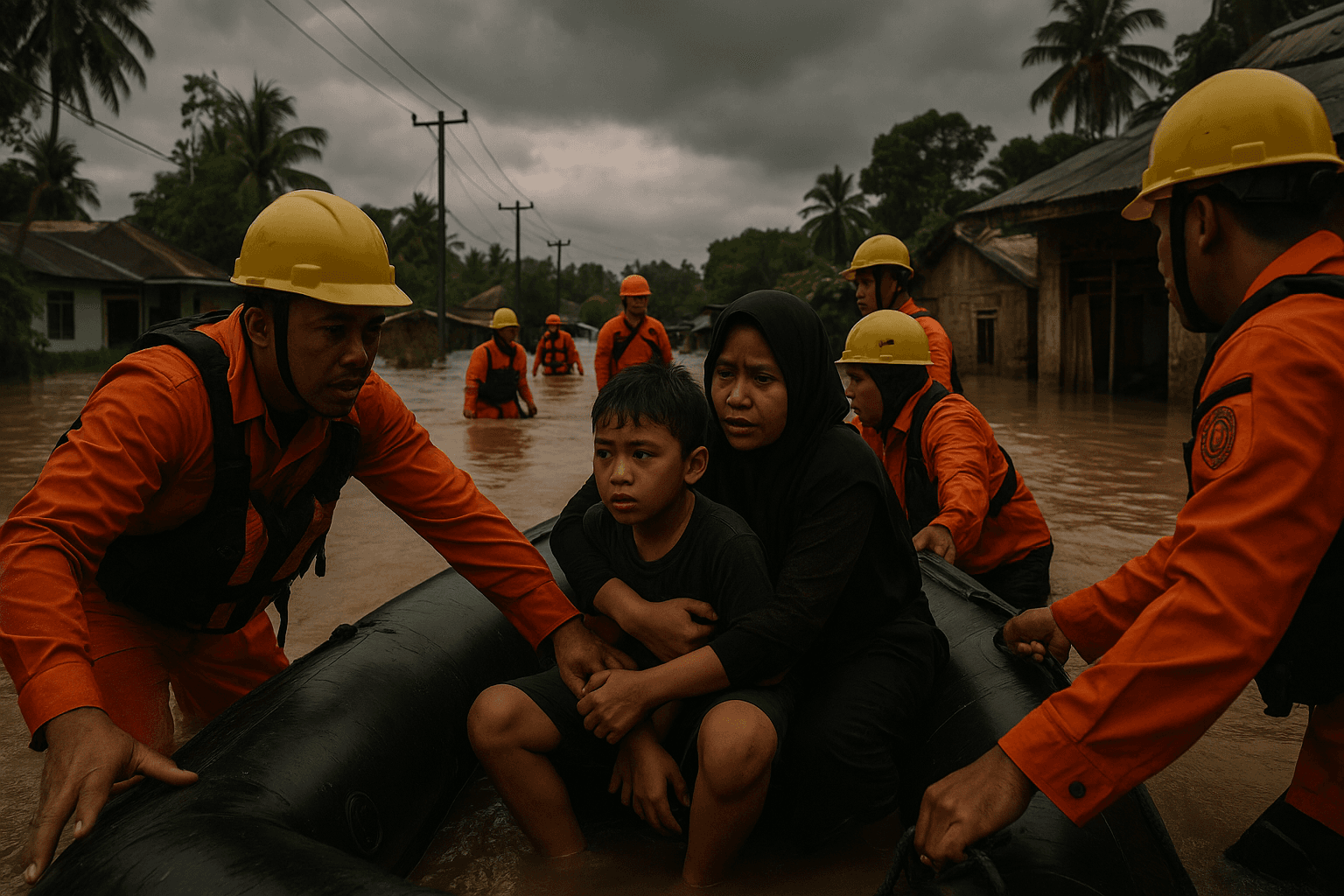
The disaster highlights persistent policy challenges. Urban expansion and settlement on vulnerable slopes and floodplains, combined with deforestation in some upland areas, increase susceptibility to catastrophic landslides when extreme rains occur. Climate scientists have connected rising sea surface temperatures and changing atmospheric patterns to an increased frequency of intense rainfall events in the region. Analysts say that bolstering early warning systems, enforcing land use regulations, investing in slope stabilization and prioritizing resilient transport links are vital to reduce future loss and economic costs.
Humanitarian agencies and local authorities mobilized relief centers and appealed for emergency shelter and supplies, while assessments of property and infrastructure damage continued. As rescue efforts moved into recovery planning, officials will face crucial decisions on spending priorities, reconstruction standards and disaster risk reduction, decisions with implications not only for Sumatra’s immediate recovery but also for Indonesia’s broader resilience to climate related shocks.
This article was produced by Prism’s automated news system from verified source data, official records, and press releases, then run through automated quality and moderation checks before publishing. The system is built and supervised by the people who set the standards it runs under. Read our full AI policy.
Did this article answer your question?

