Researchers find molecule that reprograms brain immune cells in Alzheimer’s
An experimental PM20D1-derived molecule helped Alzheimer’s model animals rebuild microglia’s plaque-fighting role, pointing to a possible immune-based strategy.
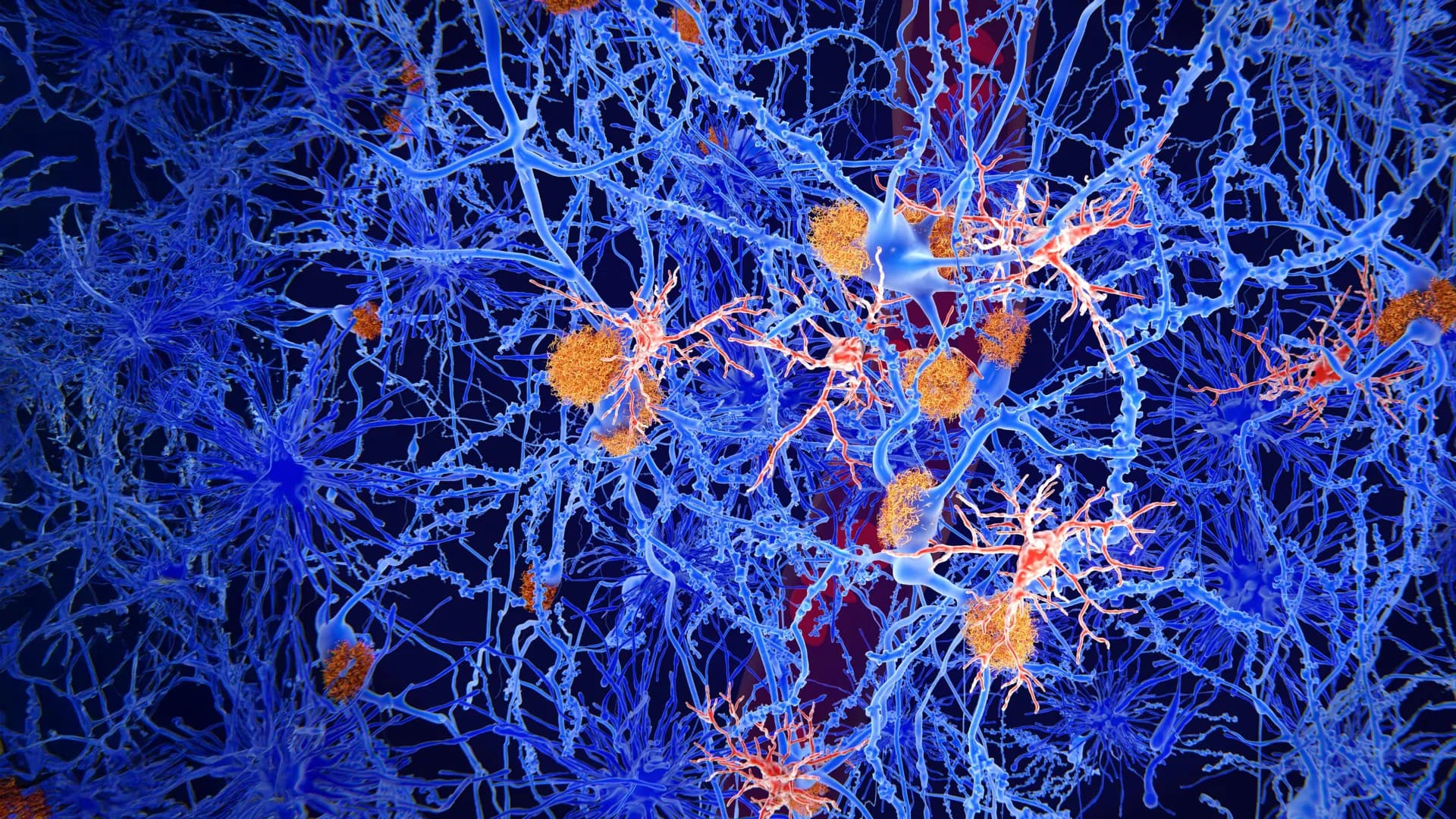
A PM20D1-derived molecule helped brain immune cells regain lost protective behavior in Alzheimer’s models, pushing beta-amyloid plaques into tighter containment and reducing their damage in animals. The finding offers a different scientific route from the familiar plaque-clearing race: instead of only trying to remove deposits, researchers are testing whether microglia can be reprogrammed to defend the brain more effectively.
The study, titled “The PM20D1-OLE pathway induces microglia rewiring to ameliorate Alzheimer’s disease,” centered on OLE, or N-oleoyl-Leucine, an experimental molecule derived from the PM20D1 gene. Work from the Institute for Neurosciences CSIC-UMH in Spain and EPFL in Lausanne, Switzerland, showed that OLE helped microglia move toward beta-amyloid plaques, surround them and form a barrier that limited contact with nearby brain tissue. In animal studies, that translated into lower plaque burden and better performance on memory tests.

The research went beyond a single model. The team used genetically modified C. elegans worms that produce beta-amyloid, along with mouse models treated for three months. Single-cell analysis found that microglia were the cells most strongly affected by OLE. In cultures, the abstract says the molecule increased amyloid-beta chemotaxis and clearance in microglia and improved neuronal viability under Alzheimer’s-related stress. The paper also reports evidence of PM20D1- and OLE-mediated microglia association with amyloid plaques and neuroprotection in human Alzheimer’s brains.
José Vicente Sánchez Mut described the work as identifying a molecule capable of restoring microglia’s protective function, raising the possibility that immune-cell impairment in Alzheimer’s may be reversible. The project is linked to Johannes Gräff’s lab and former postdoc Jose Sanchez-Mut, according to EPFL materials, underscoring how the effort pulled together neuroscience and epigenetics expertise across Spain and Switzerland.
The implications matter because microglia are increasingly seen as central to Alzheimer’s disease progression. They can initially respond around plaques, then become dysfunctional and inflammatory as the illness advances. Earlier studies have linked lower PM20D1 expression with higher Alzheimer’s risk and other metabolic disorders, which is one reason a PM20D1-derived molecule is drawing interest as a way to strengthen the brain’s own defenses.
The work remains experimental and far from clinical use in people, but it adds weight to a growing idea in Alzheimer’s research: future treatments may need to do more than target plaques. If this approach holds up in further studies, it could help shape combination therapies that address both protein buildup and the immune failure that lets the disease spread.
This article was produced by Prism’s automated news system from verified source data, official records, and press releases, then run through automated quality and moderation checks before publishing. The system is built and supervised by the people who set the standards it runs under. Read our full AI policy.
Did this article answer your question?


