Researchers turn spent coffee grounds into cucumber-fortifying fertilizer pucks
University of Granada researchers converted spent coffee grounds into tailored fertilizer pucks that raise iron and zinc in greenhouse cucumbers. The method cuts waste and lowers reliance on synthetic fertilizers.
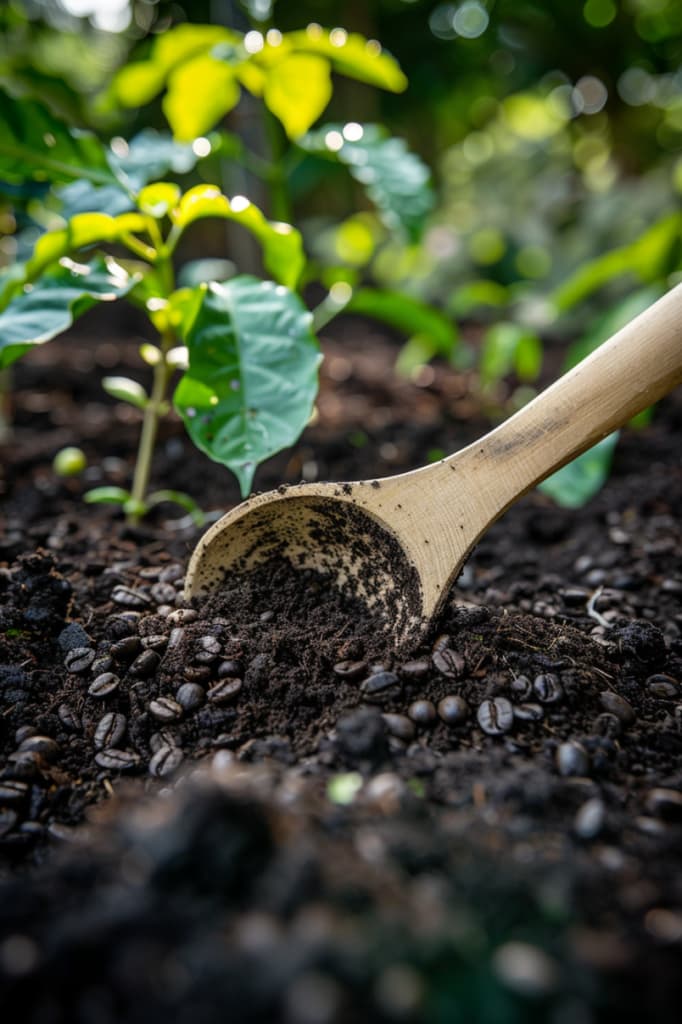
Researchers at the University of Granada have demonstrated a low-cost process that converts spent coffee grounds into tailored fertilizer pucks for greenhouse-grown Dutch-type/English cucumbers, offering a practical route to reuse a major coffee waste stream while boosting crop nutrition.
The process engineers consistent, crop-specific formulations to address a persistent problem in food-waste-to-fertilizer strategies: chemical variation in spent grounds by cultivar, roast and other factors. By standardizing inputs and output, the team produced pucks described as creating "bio-chelates" that make iron and zinc more available to the plants. Trial greenhouse runs showed increased levels of those essential minerals in the edible fruit and reported improved taste, while keeping toxic metals — cadmium, mercury, arsenic and lead — below risk thresholds.
Beyond nutrient boosts, the approach is pitched as a circular "cup-to-crop" solution that reduces dependence on synthetic fertilizers. Turning on-site spent grounds into compact pucks simplifies storage and handling for growers and enables targeted dosing tuned to the needs of Dutch-type and English cucumber varieties. The low-cost nature of the process makes it accessible to small-scale greenhouses and community growers who often operate on tight margins.
For the coffee community, the implications are immediate. Cafés, roasteries and home baristas generate tons of spent grounds that are otherwise destined for compost, landfill or municipal waste streams. Aggregating that material locally and converting it into standardized pucks creates a practical supply chain for nearby growers and shortens the loop between cup and crop. Because the method addresses variability in raw grounds, it reduces the risk that a batch of grounds could produce inconsistent or unsafe fertilizer.

Practical next steps include piloting collection partnerships between cafés and greenhouse operators, testing pucks across additional vegetable crops, and developing simple on-site or community-level processing setups. The study’s findings also highlight the need for routine testing to confirm toxic metals remain below risk thresholds as programs scale. For growers, the pucks offer a potential avenue to add iron and zinc to crops through an organic, locally sourced amendment; for cafés, they present a tangible waste-diversion opportunity.
This development gives coffee handlers and small-scale growers a realistic model for closing a local loop: convert spent grounds into stable, crop-tuned fertilizer that improves nutrition and taste while cutting reliance on synthetic inputs. Watch for local trials and community partnerships to see how the concept moves from greenhouse trials into everyday use.
Sources:
Know something we missed? Have a correction or additional information?
Submit a Tip