Residents challenge UK approval of China’s meg-embassy near Tower of London
A residents’ association has taken Britain’s approval of China’s embassy plan near the Tower of London to the High Court, arguing it could aid surveillance and intimidation.

A residents’ group has challenged the government’s approval of China’s planned embassy at Royal Mint Court, taking the fight to the High Court and arguing that ministers failed to weigh the risks to protest rights and dissident safety. The Royal Mint Court Residents’ Association, which represents leaseholders in the development, says the project could become a base for transnational repression or surveillance.
The dispute centers on a decision taken on 20 January 2026, when the Secretary of State for Housing, Communities and Local Government granted planning permission and listed building consent for the Royal Mint Court redevelopment under application refs PA/24/01229/A1 and PA/24/01248/NC. The scheme had already been refused by Tower Hamlets Council on 9 December 2024, before the case was called in by ministers, and a public local inquiry ran from 11 to 19 February 2025.
The approved scheme would transform the former Royal Mint site into a Chinese diplomatic outpost beside the Tower of London. The planning documents cover refurbishment and restoration of the Johnson Smirke Building, a Grade II* listed structure, partial demolition, remodelling and refurbishment of the Seaman’s Registry, a Grade II listed building, alterations to Murray House and Dexter House, a standalone entrance pavilion, changes to the boundary wall, and demolition of an electricity substation. The site dates back to the Royal Mint’s move there in 1809.
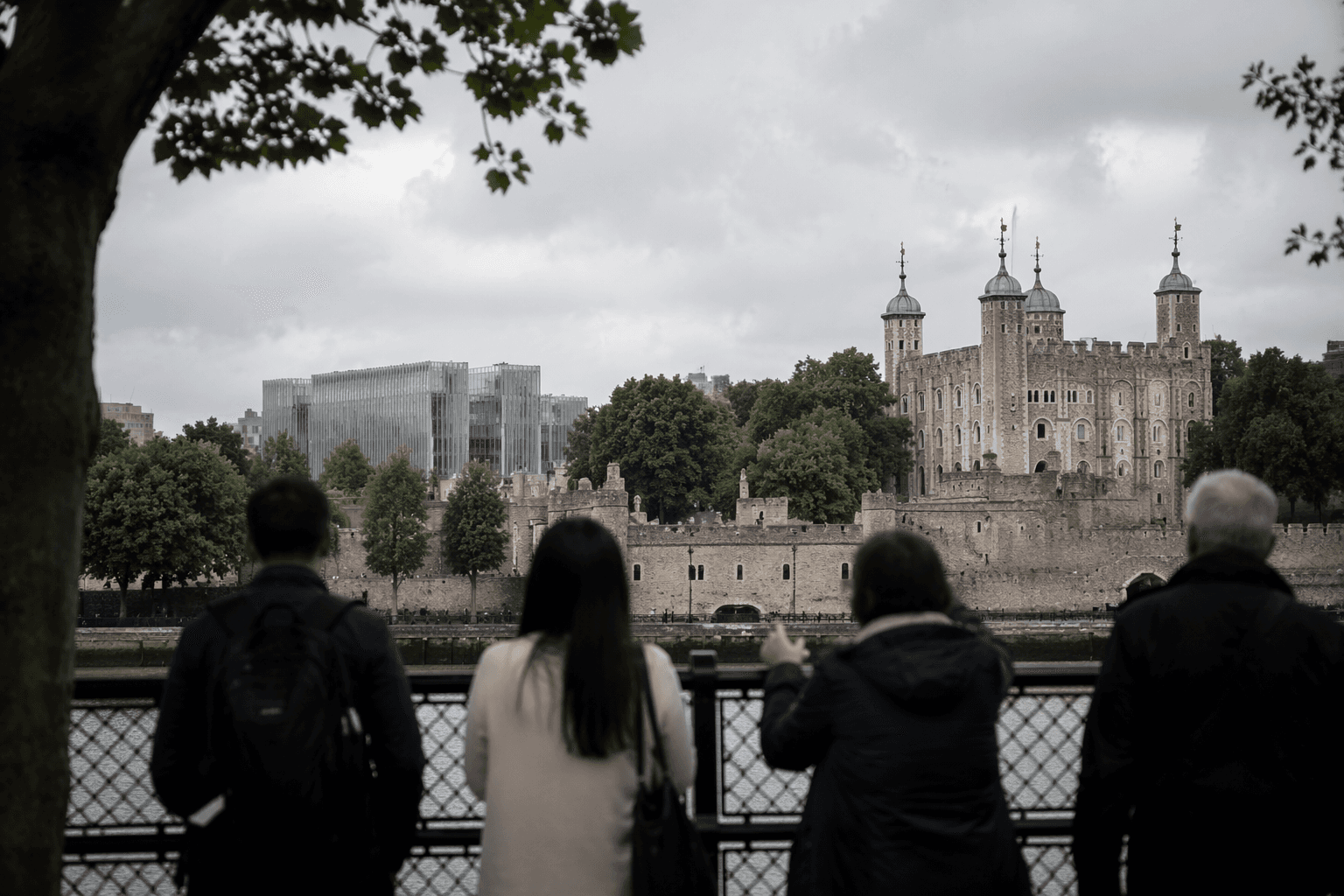
In January 2026, MI5 and GCHQ wrote to the Home Secretary and Foreign Secretary about the proposed embassy decision, while Parliament held an urgent question on 19 January 2026 over the risk posed by sensitive cabling infrastructure near the site. MPs and peers have repeatedly pressed ministers on espionage, surveillance and intimidation, and a House of Commons Early Day Motion called for safe protest rights outside the embassy site and urged the government to block the project.
Tower Hamlets Council had rejected the plans on safety, heritage, police resources and highway safety grounds, citing resident and tourist safety in the crowded area. Metropolitan Police representations helped shape the council’s concern about the impact of large protest crowds, although the police later withdrew their objection during the inquiry.
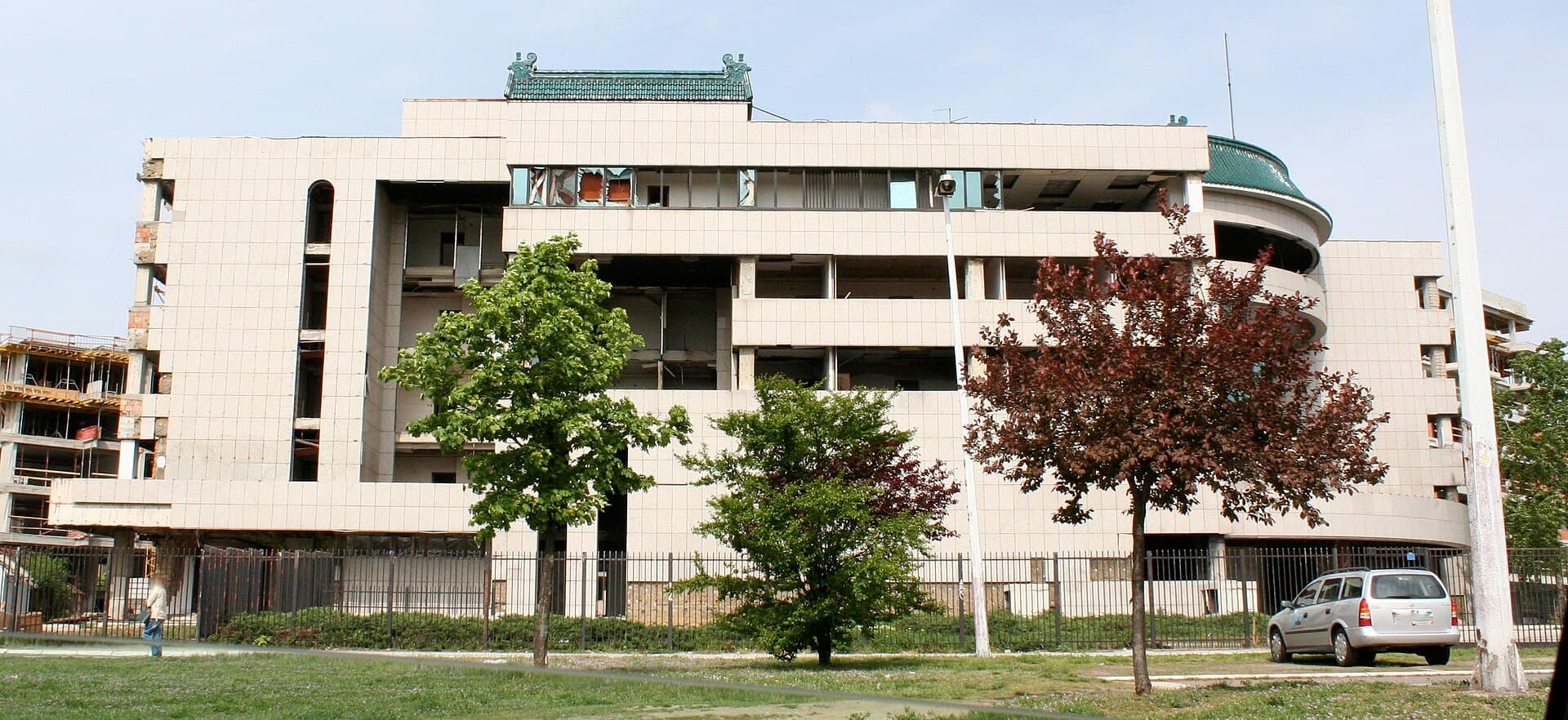
The Chinese Embassy in the UK has denied espionage allegations.
This article was produced by Prism’s automated news system from verified source data, official records, and press releases, then run through automated quality and moderation checks before publishing. The system is built and supervised by the people who set the standards it runs under. Read our full AI policy.
Did this article answer your question?