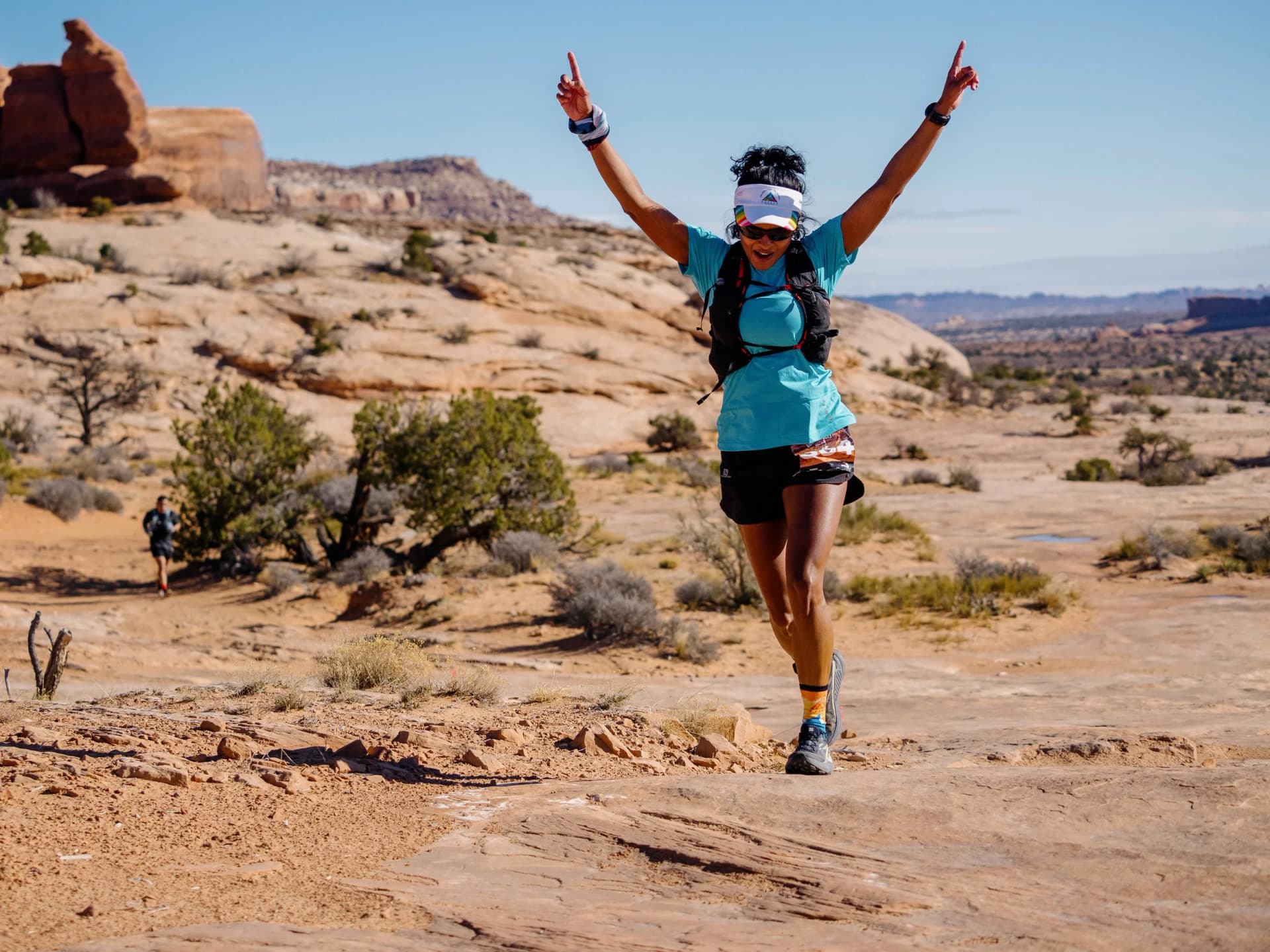
Respect Tribal Lands: Permits, Guides and Rules for Four Corners Travel
Many iconic Four Corners sites require permits or licensed guides; following tribal and federal rules protects cultural sites, keeps access open, and avoids fines or conflict.
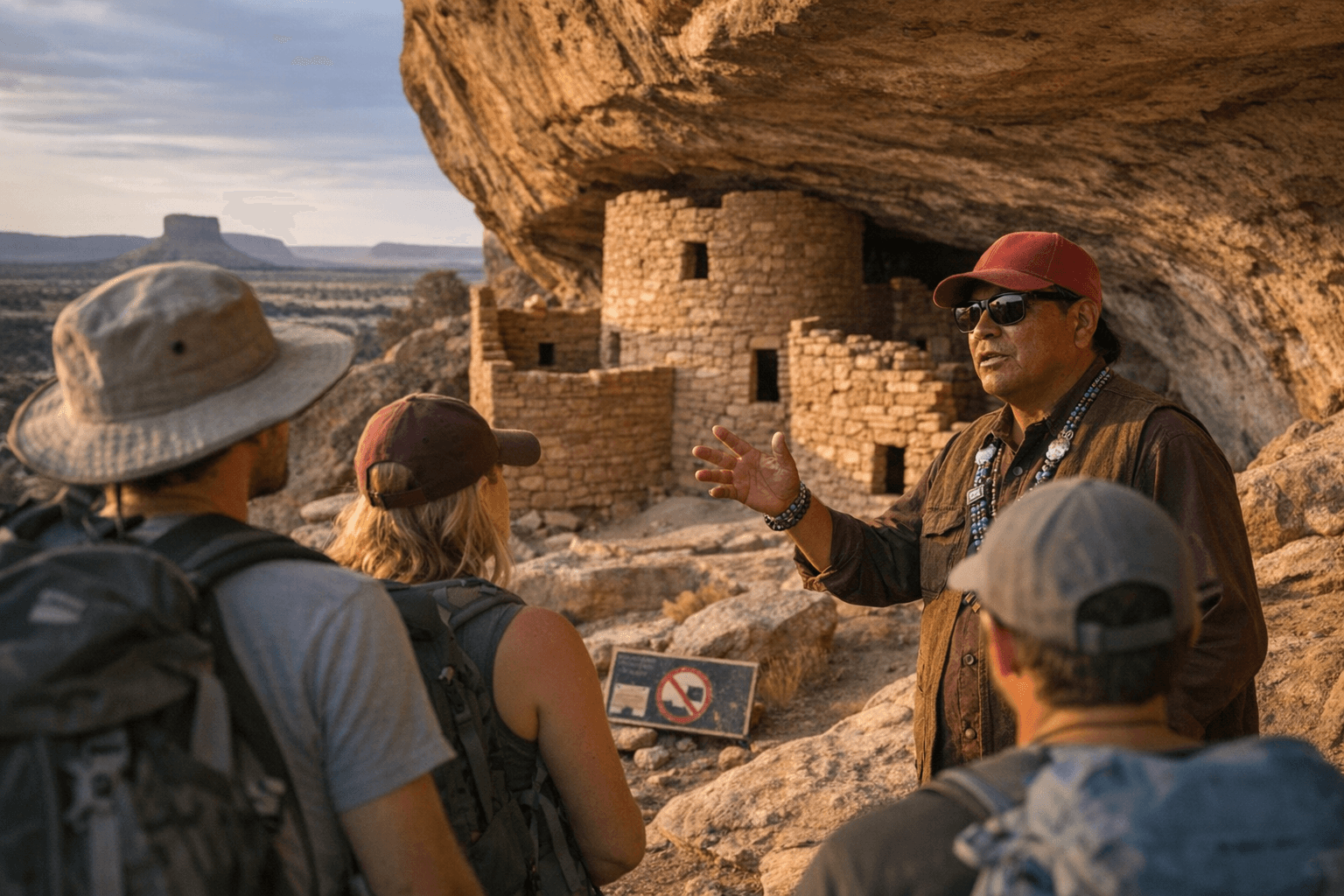
Much of the most iconic Four Corners country sits on land managed by tribes, the National Park Service, the Bureau of Land Management, the U.S. Forest Service, states or private owners, and that ownership determines how you can visit. Monument Valley, Antelope Canyon, Navajo Nation trust lands and many tribal parks frequently require permits or licensed local guides, while Canyonlands, Arches and Mesa Verde have National Park Service passes, timed-entry windows and road restrictions. Respecting those rules keeps special places open, protects rock art and dwellings, and prevents fines or confrontations.
Identify the managing authority for each site before you go. Use National Park Service websites and visitor centers for NPS passes and seasonal alerts, contact BLM district offices for BLM-administered lands and special-use permits, consult U.S. Forest Service offices for forest permits and trail conditions, and check official tribal tourism pages for Navajo Nation, Ute Mountain Ute, Hopi and Zuni rules and licensed-guide lists. If a site is on tribal land or listed as a tribal park, expect to buy a permit or book a licensed Navajo or tribal guide; self-drive access may be restricted, and popular guided visits can book out months in high season.
Photography and commercial use require special attention. Drone use is commonly banned in national parks and tribal lands without explicit permission, and commercial photography typically requires permits. Respect portrait permissions in tribal communities; ask before photographing people and offer to share images. Rock art, archaeological sites and historic dwellings are protected, do not climb, touch or remove artifacts, and obey closures and signage.
Practical steps to secure access are straightforward. Identify the exact site and managing authority, visit the managing agency’s official website or call the local visitor center, and if a guide is required reserve early. For backcountry or commercial permit needs request applications well ahead of your trip and keep printed and digital copies of permits and booking confirmations. Confirm refund and reschedule policies because many tribal guides are small operators with specific cancellation windows.
On the ground, practice basic etiquette and safety. Stay on trails, pack out all trash, use provided restrooms, follow Leave No Trace and obey cultural protocols and requests from hosts and guides. Carry valid ID, printed or digital permits, local guide contact information, cash for per-person tribal fees, offline maps or GPS, water, a first-aid kit and sun protection. Check road and weather conditions before travel because permits may be conditional on safety.
When you purchase a guided visit or a permit you often support local tribal economies and stewardship. Verify the managing authority, book early, and follow the rules so those slot canyons, mesas and rock art panels remain available and respected for the long haul.
Know something we missed? Have a correction or additional information?
Submit a Tip