Restaurant Workers United Formed During COVID-19, Organizing for Justice
Restaurant Workers United formed during the COVID-19 pandemic in 2020, organized Via 313 and Pizza Lupo in a 2022 push, and says it is building a movement to organize more than 11 million workers.
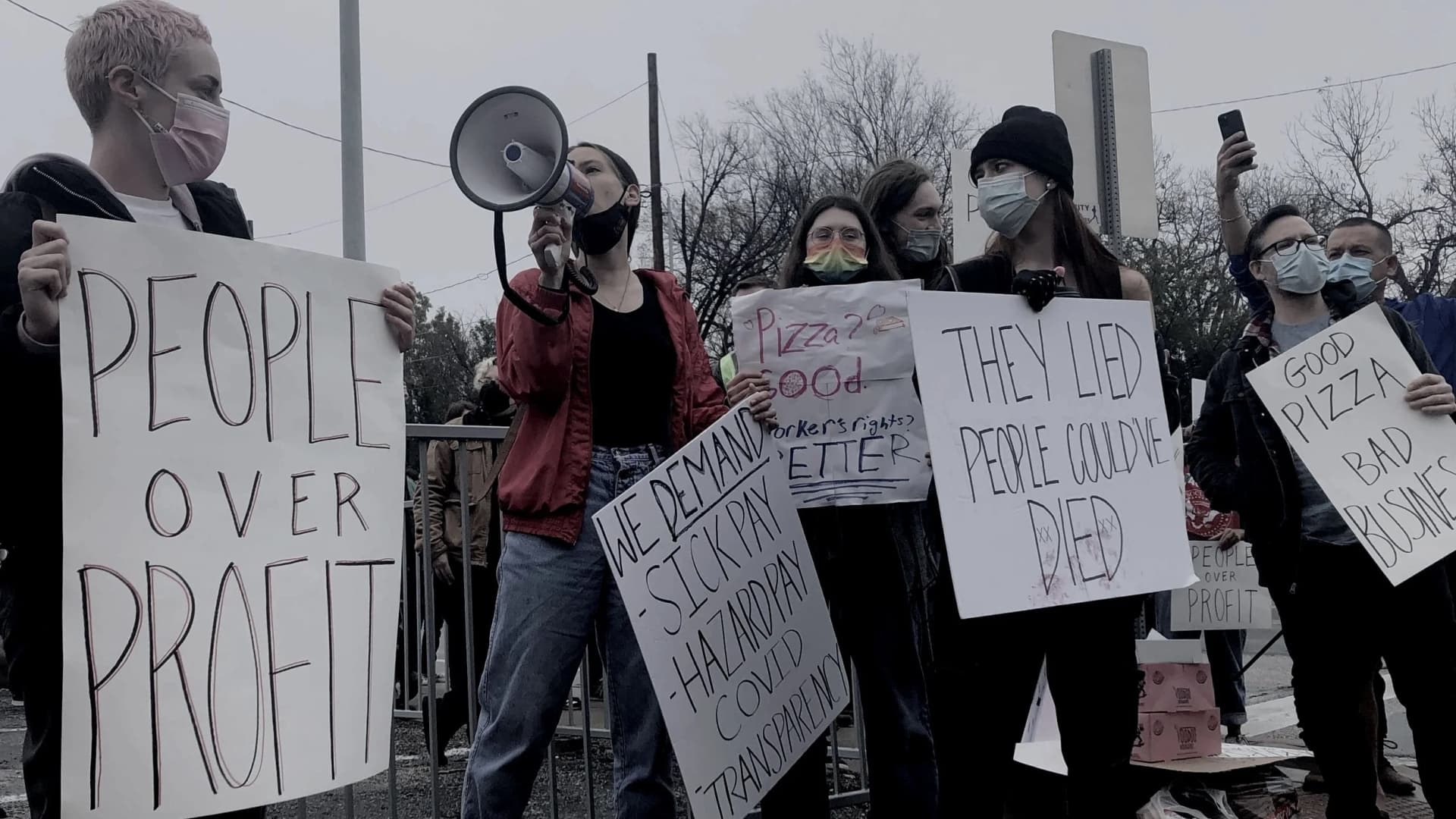
We are the democratic, worker-led union for America’s restaurant workers. Together, we are changing our industry from the ground up," reads the core mission statement of Restaurant Workers United, which says, "We started working together in 2020 during the COVID-19 pandemic." The group frames its work as an industry-scale effort and warns that "the only way we can organize our industry of more than 11 million workers is by building a movement that empowers us as workers to fight our own battles and make our own decisions."
Restaurant Workers United presents itself as a practical, worker-run alternative for food-service staff. The organization describes itself as "the union run by and for restaurant, bar, and cafe workers in America. We organize worker-to-worker and run our union democratically from top to bottom," and it offers "organizing support, training, legal referrals, and public advocacy targeted specifically at food-service work." RWU’s website includes an About Us page, a Join Us page, a Restaurants and Labor Laws section and an FAQs section aimed at answering questions on unions and organizing.
The group highlights early campaign milestones in a 2022 Year in Review, noting that "Together, we organized the first standalone restaurants in the South at Via 313 and Pizza Lupo." That 2022 claim is presented as an example of RWU’s strategy to focus on individual shops as models for broader campaigns rather than prioritizing a single, large-chain target.
RWU’s organizing tactics are grounded in worker-to-worker outreach. A Seattle restaurant worker and RWU officer, Sean Case, describes the local process: "We started meeting weekly. First just a core group of four. We met with an organizer from Restaurant Workers United (RWU), a small, new, democratic union focused on unionizing the industry." Case reports the next step was one-on-one conversations with coworkers, writing, "We started having one-on-one conversations with our coworkers to talk about how we could build a better workplace. Our organizing meetings quickly grew to eight to ten weekly (out a staff at the time of twelve)."
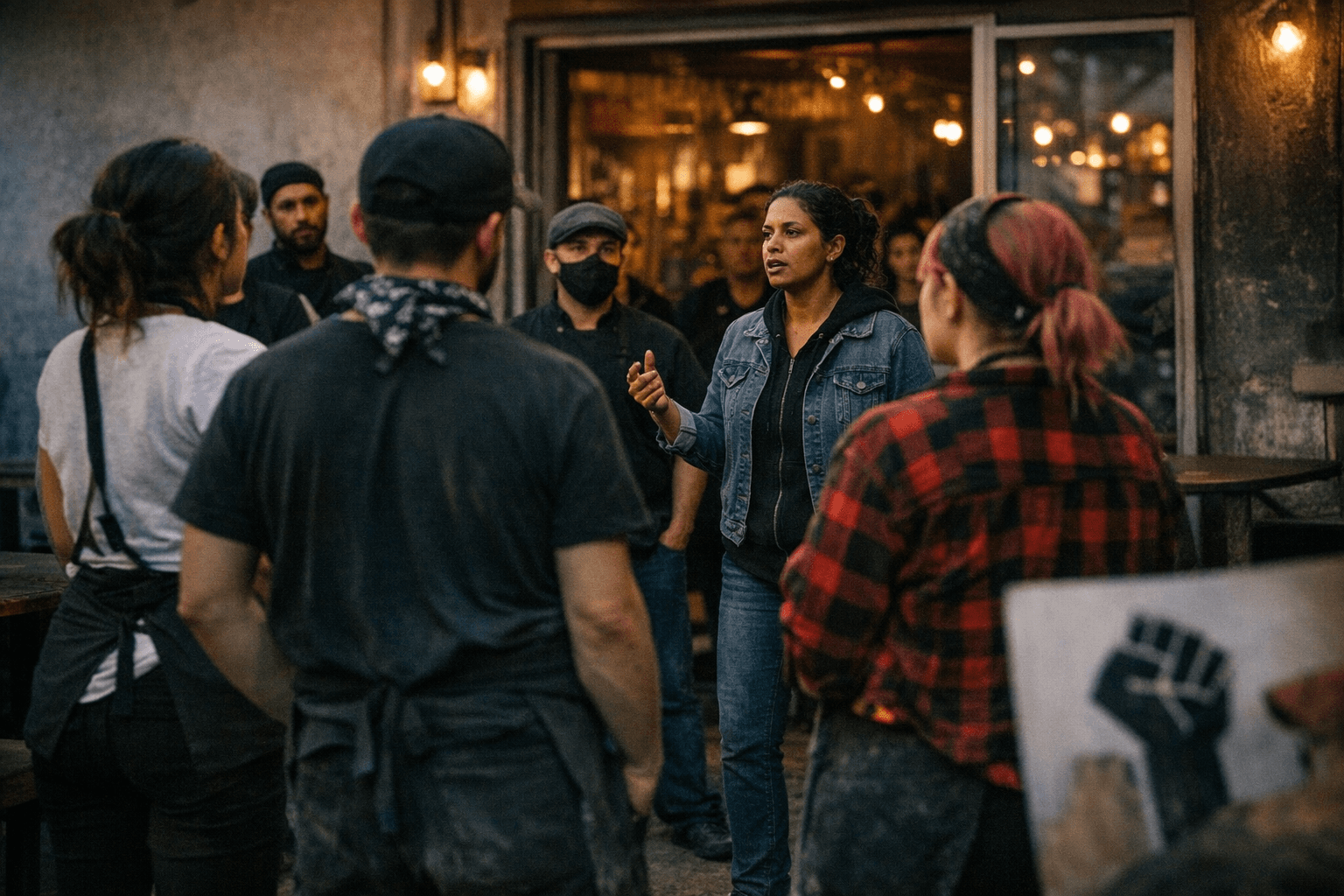
Case, identified in RWU materials as "a restaurant worker in Seattle" who is "a member of Seattle DSA and the Reform & Revolution caucus" and who serves as "vice president of Restaurant Workers United," frames the effort as driven by commitment to coworkers and the workplace. He writes, "Having weathered two of the worst years of our working lives and witnessing brave local organizing efforts at Starbucks and Homegrown, the response from my coworkers was a resounding 'hell yes!'" He adds that "While we certainly had plenty of complaints about our workplace, we organized because we love it and each other. Our primary motivation is a positive vision for what our restaurant can become and the example it can set for an infamously exploitative industry."
RWU ties local shop campaigns to industry-level demands. The Seattle account outlines shared goals: "ending the sub-minimum wage for tipped workers" and "fighting the rampant sexual harassment that plagues the industry." Case frames those demands as a path to wider change: "While winning a better individual workplace is good, we don’t want to stop there. We want to jumpstart union campaigns in restaurants across the city and country, at small shops like ours and larger chains."
RWU's outreach language is explicit and action-oriented: "Our promise is simple: If you’re a worker who’s ready to change this industry, we will stand with you and help you organize with your coworkers," and the site urges, "Join us in the fight!" For workers weighing legal options, the site advises, "Whether you go the legal route or not, the best way to win what you’re owed and protect yourself from retaliation is by organizing together with your coworkers. If you’re being taken advantage of, there’s a good chance you’re not alone. If you need help figuring out how to organize, contact us here." The organization concludes its current framing by saying, "We’re now organizing in restaurants, bars, and cafes coast-to-coast, driven by worker leaders in their own shops," signaling a continued push from pandemic origins toward broader industry organizing.
Know something we missed? Have a correction or additional information?
Submit a Tip