Ret. Gen. McKenzie tells CBS it's too soon to seek off-ramp in Iran campaign
Ret. Gen. Frank McKenzie said on Face the Nation that U.S. and Israeli forces expect "several days" of strikes and a 72-96 hour window to blunt Iran's rocket volleys; a report of Khamenei's death remains unverified.
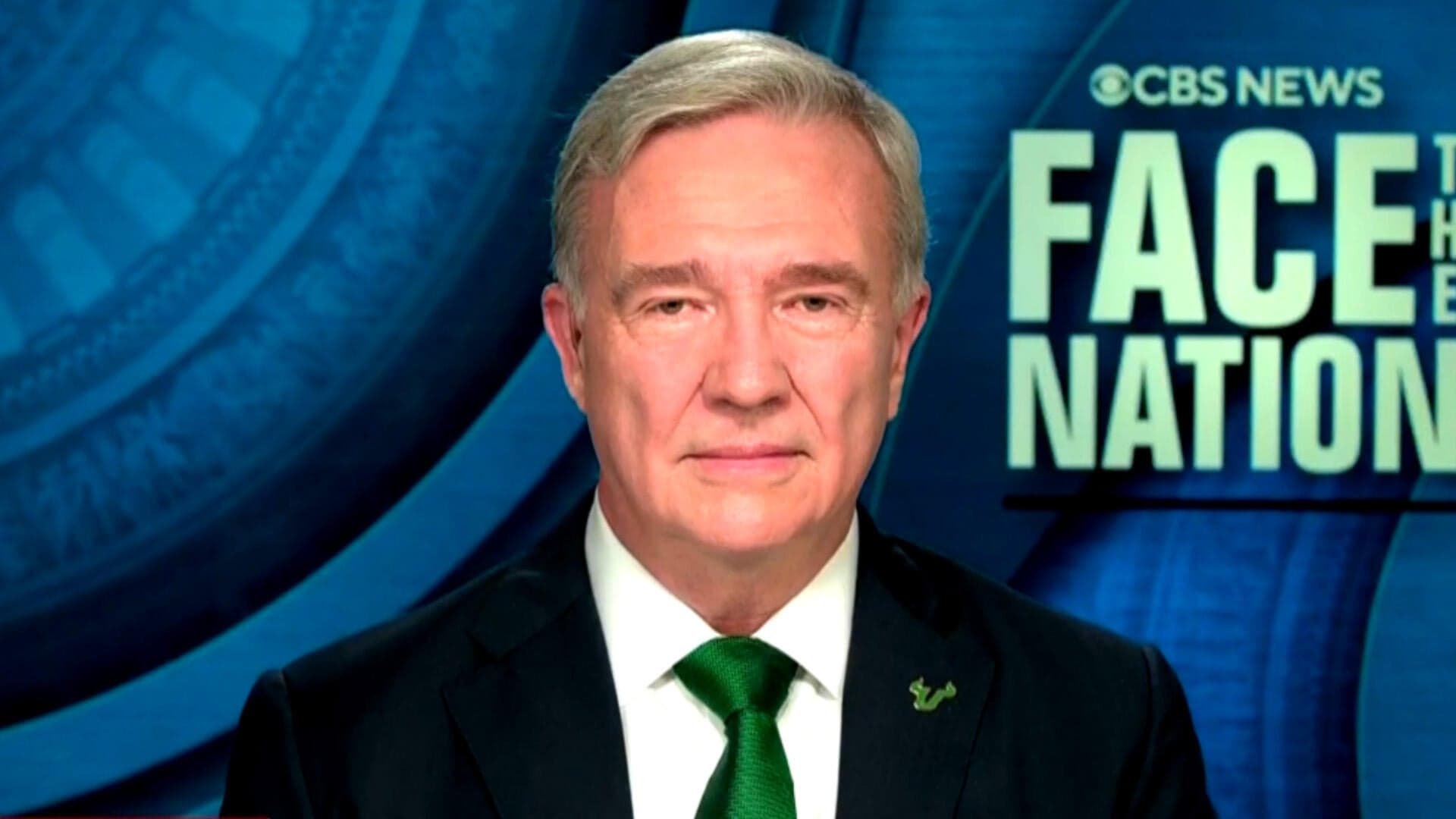
Retired Gen. Frank McKenzie told CBS's Face the Nation that it is "too soon" to be looking for an "off ramp" in the campaign against Iran, saying U.S. Central Command and Israeli forces face "several days of continued strikes" and an "essential calculus" over the next 72 to 96 hours to reduce Tehran's ability to volley-fire rockets at regional bases including Al Udeid and Al Dhafra.
"We need to have an end game in view, but we shouldn't be thinking about an off ramp right now," McKenzie said on the program hosted by Margaret Brennan. He added that while an end state should be imagined, immediate priority must remain on "continuing to impose our will on the enemy and continuing this fight at a very high level."
McKenzie laid out two political endgame possibilities without endorsing either: a new negotiable regime, which he called unlikely and warned the United States historically struggles to predict, or "some kind of successor state" that might be willing to negotiate on nuclear and ballistic missile issues. He emphasized the current effort is operationally nascent, saying "I think we're still in the early stages of this campaign."
On operational tactics McKenzie was specific. "There are several days of continued strikes ahead of us from Central Command and from Israel to reduce the Iranian ability to volley fire rockets at us," he said, noting strikes would use "our aircraft" and "TLAMs, our Tomahawk Land Attack Missiles." He described volleys as "groups of missiles that are fired at our bases in the region" and warned Americans should expect "several more days of exchanges of long-range ... rockets."
McKenzie's assessment included a tactical appraisal of Iranian command and control. "The leadership targets have clearly had an effect, and I believe the loss of Iranian effective national level command and control ... is going to have a pernicious effect on their ability to wage this war," he told viewers, while acknowledging uncertainty about the longer-term political fallout, including the possibility of civil war or a fractured state.

The on-air segment featured Iran analyst Karim Sadjadpour alongside McKenzie. Some summaries of the broadcast have linked the discussion to an unverified claim that Supreme Leader Ayatollah Khamenei has died. That assertion was not contained in McKenzie's quoted remarks and remains unconfirmed; authoritative verification from Iranian or international sources is required before it is reported as fact.
Policy and institutional implications are immediate. McKenzie's public call for sustained strikes places pressure on Pentagon planning and civilian leadership to define clear objectives, rules of engagement, and thresholds for congressional consultation. The detailed mention of specific bases and missile types brings tactical choices into the public sphere and raises questions about risk to U.S. personnel and regional partners during the indicated 72-96 hour window.
For lawmakers and the public, McKenzie's comments underscore a central tension: the need to keep a political endgame in view while authorizing continued kinetic operations that could broaden or prolong conflict. In a matter where strikes, missile exchanges, and the fate of a neighboring state's governance are all in play, transparency from military and civilian leaders and timely congressional oversight will shape how U.S. policy evolves in the days ahead.
This article was produced by Prism’s automated news system from verified source data, official records, and press releases, then run through automated quality and moderation checks before publishing. The system is built and supervised by the people who set the standards it runs under. Read our full AI policy.
Did this article answer your question?

