Reuters Claims to Unmask Banksy, Sparking Academic and Ethical Debate
Reuters claims to have unmasked Robin Gunningham as Banksy — but academics and the public are now asking whether exposing a deliberately anonymous artist serves any public good.

Journalists at Reuters claim to have unmasked Banksy, the graffiti artist who has long ruled the U.K. art scene with politically provocative murals. Their extensive investigation claims to have established "beyond dispute" the man behind the art. Within days, academics and public commentators pushed back with a sharper question: why?
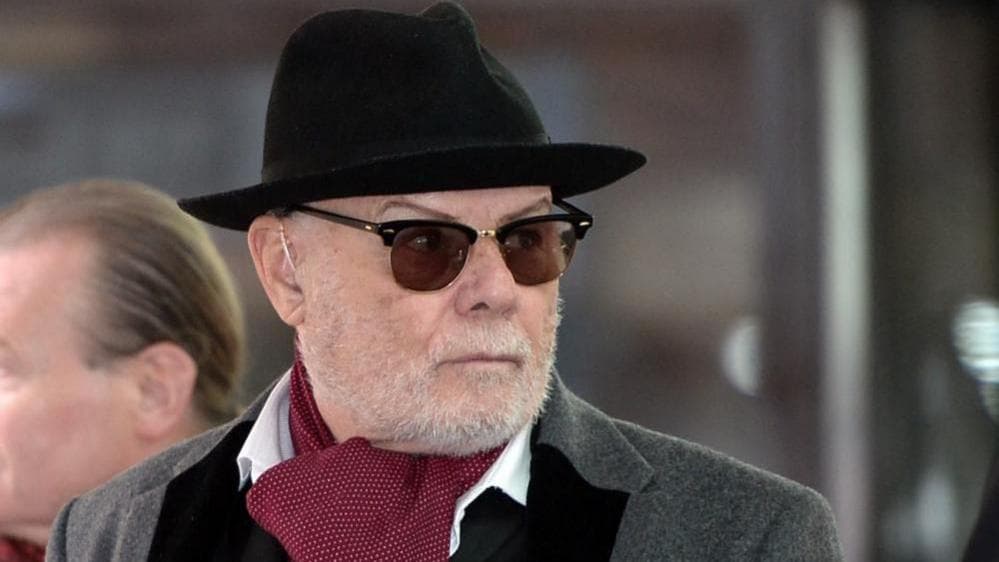
All of Reuters' evidence points to Banksy being Robin Gunningham, a name first linked to the artist by the Mail on Sunday in 2008, though the investigation says he changed his name to David Jones years ago. The work is centered around a trip he made to Ukraine, alongside photographs from former collaborators and a confession note stemming from a 2000 arrest in New York. Banksy's long-time lawyer Mark Stephens responded that the artist "does not accept that many of the details contained within [the] enquiry are correct," and claimed the story would "violate the artist's privacy, interfere with his art and put him in danger."
The Reuters investigation argues that Banksy is a public figure and as such is "subject to scrutiny, accountability, and, sometimes, unmasking." Reuters countered that "the public has a deep interest in understanding the identity and career of a figure with his profound and enduring influence on culture, the art industry and international political discourse."
That justification did not satisfy everyone. As noted by a commenter in a Reddit discussion started by one of the Reuters journalists, it is not clear "how naming him somehow increases his transparency or accountability."
The ethical debate has a direct academic precursor. In addition to previous journalistic inquiries also cited by Reuters, an academic article titled "Tagging Banksy: Using Geographic Profiling to Investigate a Modern Art Mystery" was published in the Journal of Spatial Science almost ten years ago to the day the Reuters story came out. That study used a Dirichlet process mixture model of geographic profiling, a mathematical technique developed in criminology, to analyze the spatial patterns of Banksy artworks in Bristol and London, calculating the probability of the artist's residence across the study area. The article used a mathematical method that looked at where Banksy's graffiti appeared to figure out where the artist might live and work, and the results pointed to a specific person as likely being the artist.
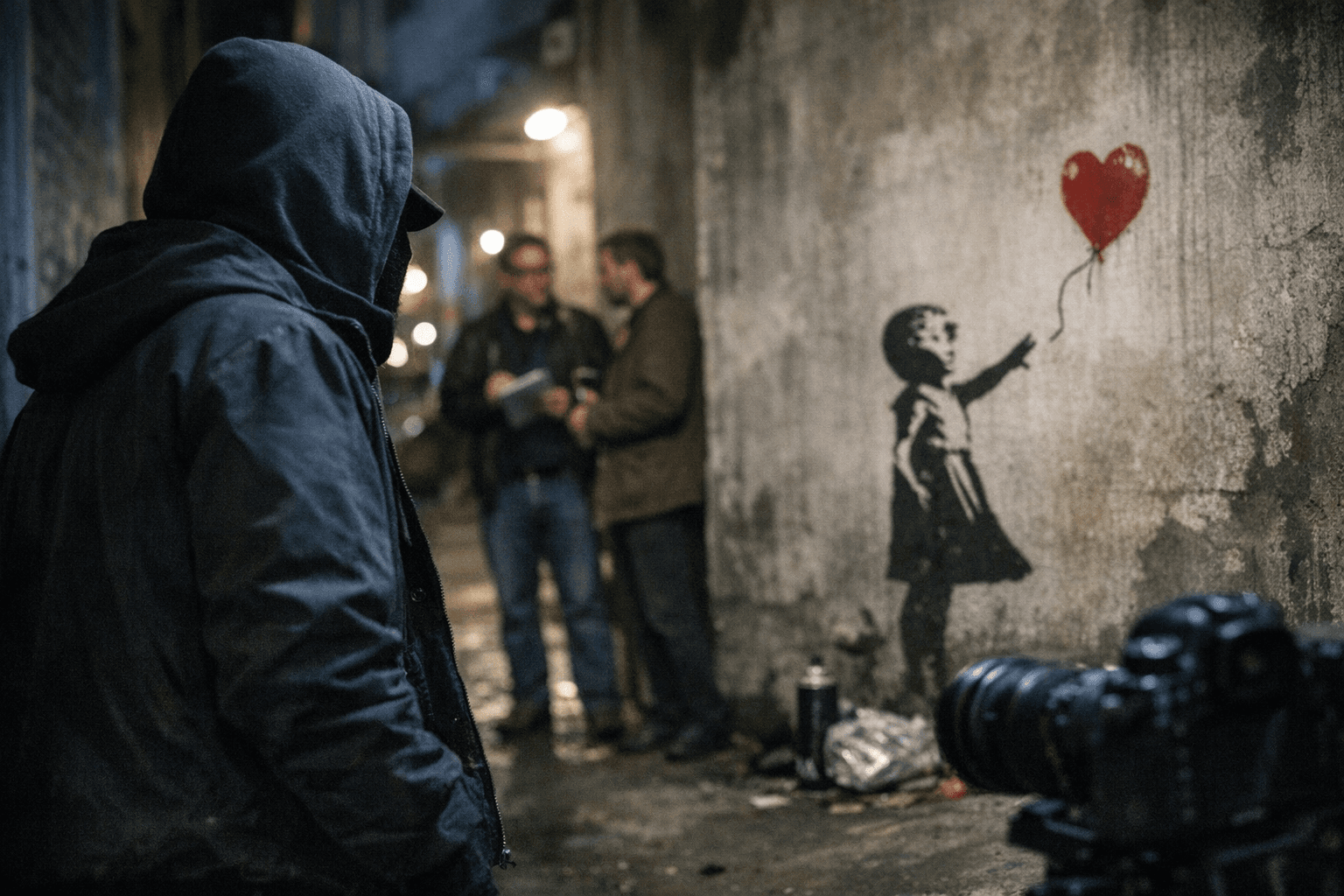
The Conversation's analysis, published March 25, revisited that academic episode with pointed criticism. "I argued at the time that the authors' decision to publish the name of a person they believe to be Banksy was ethically problematic. It seemed to serve no scholarly purpose and to have primarily been done to attract media attention to what is otherwise a niche academic study." A separate academic review demonstrated that the article was characterized by a number of methodological flaws that fundamentally undermined the researchers' basis for determining Banksy's identity, and argued that the decision to include a specific name was ethically problematic.
The Conversation acknowledged the quality of the Reuters work — describing it as "a thoroughly researched piece of journalism" — while pressing the same central question that animated its critique of the academic article: the Reuters investigation comes across as a thoroughly researched piece of journalism, yet its detailed account of how Banksy was ostensibly identified still leaves unanswered how exposing that identity benefits the public.
The practical stakes are real. Anonymity has made it possible for Banksy to create work around the world without much interference from authorities or, indeed, fans. The attention given to a London builder previously "identified" as Banksy, though this was later disproved, suggests that fans could make life difficult for the artist, as well as anyone else bearing the legal name now attributed to Banksy by Reuters.
At a time when it can seem increasingly difficult to meet the world with a sense of wonder rather than cynicism, the vague notion that revealing the identity of the person behind Banksy is somehow in the public interest fundamentally misjudges the function and importance of the artist's anonymity. Banksy's lawyer, Banksy's own silence, and a growing chorus of academics and commentators suggest that the publication's ripple effects are only beginning.
This article was produced by Prism’s automated news system from verified source data, official records, and press releases, then run through automated quality and moderation checks before publishing. The system is built and supervised by the people who set the standards it runs under. Read our full AI policy.
Did this article answer your question?