Reuters veteran Michael Nelson, who helped transform agency, dies at 97
Michael Nelson died on his 97th birthday, leaving behind a Reuters playbook for speed, financial news and global reach that still shapes markets today.

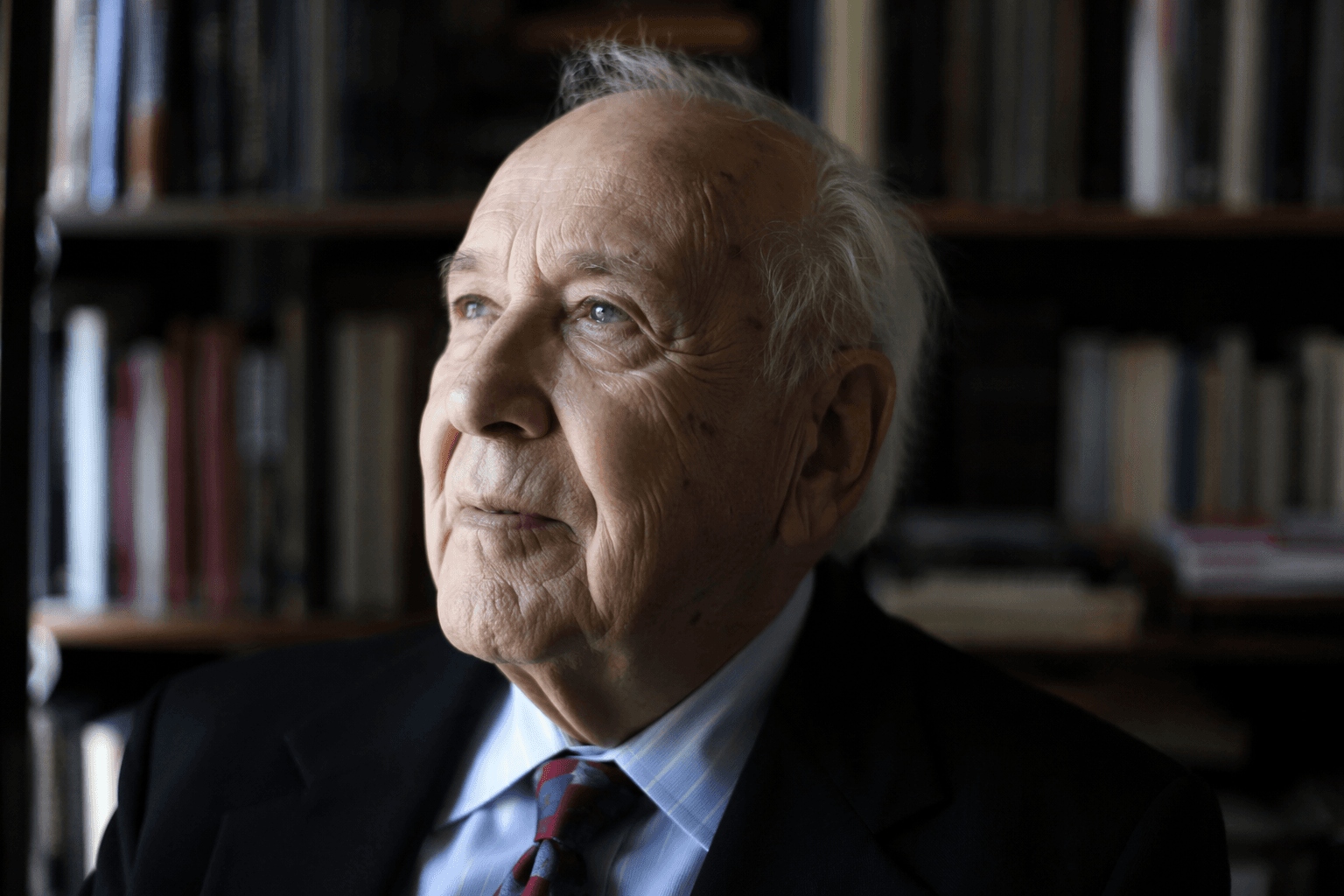
Michael Nelson, the Reuters veteran who helped push the agency from a traditional wire service into a modern global news operation, died on April 30, 2026, after a short illness. He was 97. His daughter, Shivaun Nelson, confirmed the death, and his funeral was held in Mortlake, London.
Born in Bromley in 1929, Nelson studied history at Magdalen College, Oxford, then joined Reuters as a trainee in 1952. He was sent to Bangkok in the early 1950s, where he worked not only as a reporter and editor but also on the sales side of the business, a sign of how closely editorial ambition and commercial expansion were linked in the company’s postwar growth. Over 36 years at Reuters, he rose to general manager at 85 Fleet Street in London before retiring in 1989.
Nelson’s most enduring contribution came in April 1968, when communist forces in Vietnam signaled they were open to negotiated peace. Nelson quickly pushed Reuters’ claim that it had broken the market-moving news in the United States ahead of Dow Jones, then the dominant financial news service. The newspaper ad that followed captured the point in one sharp line: “Vietcong willing to talk and it takes Wall Street 21 minutes to find out.” The scoop mattered beyond bragging rights. It helped Reuters attract new clients and establish itself in the U.S. market as a serious source of fast, price-sensitive information.
That episode also shows why Nelson remains central to Reuters’ own institutional history. He was part of the generation that recognized news was becoming an industrial product as much as an editorial one, especially in financial markets where minutes could move money. A working paper from the London School of Economics described Reuters as an early entrant in the terminal revolution, the shift that put computer screens on clients’ desks and made real-time data delivery a new business model. Under Nelson, Reuters expanded into photos and television as well, including majority control of Visnews, broadening the company from text into a multimedia operation with text, pictures and video.

After leaving Reuters, Nelson wrote five books, including an autobiography and works on the Cold War and the French Riviera. He is survived by his wife, Helga; his children, Patrick, Paul and Shivaun; and Paul’s children, Emilio, Felix and Alba. His career tracked the moment Reuters stopped being only a wire service and became part of the infrastructure of global business news.
This article was produced by Prism’s automated news system from verified source data, official records, and press releases, then run through automated quality and moderation checks before publishing. The system is built and supervised by the people who set the standards it runs under. Read our full AI policy.
Know something we missed? Have a correction or additional information?
Submit a Tip

%3Amax_bytes(150000)%3Astrip_icc()%2F12.18-cdd9e57196ed4312909a436be9e347b4.png&w=1920&q=75)