Rich Froning Breaks Down Open Workout 26.2 With Coachable Cues
Rich Froning posted a short strategy video on March 5, 2026 that boils Open Workout 26.2 down to practical, coachable cues drawn straight from the live duel and the official standards.
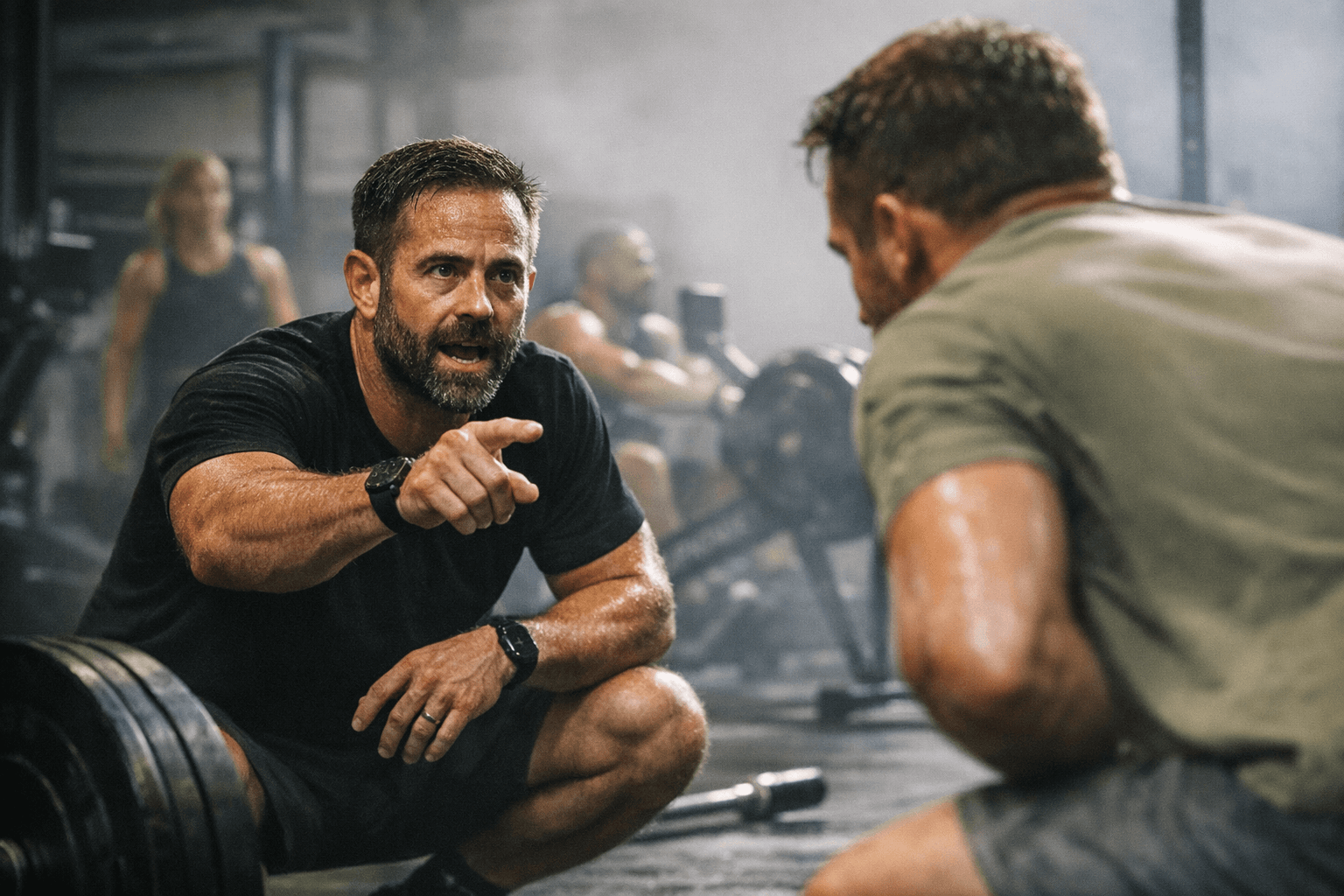
Rich Froning didn’t post a manifesto — he posted a clinic. On March 5, 2026 the Mayhem founder and CrossFit icon released a short strategy video and a handful of practical tips aimed squarely at athletes preparing for Open Workout 26.2. It’s compact, coach-forward guidance that translates what happened in the live duel and what the judges will look for into cues you can use in the gym this week.
What the content is and why it matters The material Froning uploaded is small by social-media standards — a brief strategy video plus concise coaching notes — but its usefulness comes from intent: this is a quick coaching clinic, not a highlights reel. Froning frames technical priorities against the backdrop of the official standards and the pacing seen in the live duel, which means the takeaways aren’t theoretical. They’re immediately actionable for anyone about to register their score for 26.2 or coach athletes through it at class.
How Froning links the live duel to the rule book One of the clearest strengths of the clinic is how it ties the duel’s flow to the written standards. Froning’s content explicitly connects in-competition pacing and visible tipping points from the live duel with what judges expect on the floor. That makes the video a bridge: you watch the duel, you review the standards, and Froning shows you what matters in practice. If you’re prepping an athlete or prepping yourself, that alignment between spectacle and rules is the quickest way to avoid a penalty that costs a leaderboard spot.
A coach’s toolbox — applying the clinic in the gym Froning’s tips are built for fast translation into coaching cues and practice drills. Use his video as a checklist during warm-ups and skill stations: watch the short clip once, then run through the specific elements he highlights before you load a bar or count reps. He designed the content so that a coach can hand an athlete a two-line cue (what to do and when) and then test it under fatigue in a short simulation.
How to structure a practice session using the video Treat the strategy video as a three-part micro-session: review, drill, test. Start by reviewing Froning’s cues alongside the official 26.2 standards, then drill the technical piece he stresses, and finally simulate the duel pacing he references in a short, scored run. Because the clip is intentionally concise, you can repeat that cycle twice within a typical class slot and still leave time for scaling or cool-down.
- standard review drill — read the official standard, perform movements slowly to confirm legal positions, then repeat at competition tempo.
- transition sparring — practice the exact transitions Froning points out in the clip at game speed to reduce lost seconds.
- micro-sprint sets — mimic the duel’s pacing in short efforts so athletes learn when to surge and when to conserve without burning form.
Practical drills inspired by the clinic
Froning’s coaching clinic lends itself to a handful of sharp drills that keep your training time high-value:
Why this matters for athletes and coaches When you’re prepping for an Open workout, the difference between a good score and a leaderboard score often comes from small, enforceable details — the kind of thing judges will spot and the kind of thing Froning focused on in his short video. By tying cues to the duel’s visible thresholds and the written rules, he’s helping athletes avoid surprises and helping coaches teach clarity under pressure. That kind of clarity is what keeps heat scores honest and athletes out of the penalty box.
Context from Mayhem and Froning’s credibility The fact that this guidance came from Rich Froning — labeled here as a Mayhem figure and CrossFit icon — matters in the community. His voice carries because he’s experienced in both competing and coaching, so athletes and box coaches are more likely to adopt a cue that a recognizable source distilled from live competition and the rule book. The short format also means his guidance is portable: coaches can show the clip between heats, or athletes can rewatch it in the parking lot before logging a score.
How to use the clinic the week of the Open If you’re planning your week around Open Workout 26.2, center one training slot on Froning’s clinic. Watch the video together as a team, outline two specific coachable cues to use during the workout, and run a short simulation that enforces those cues under fatigue. Because the content explicitly connects to both the duel and the official standards, you’re not guessing — you’re rehearsing what will be adjudicated.
What this does for the broader Open narrative Short, targeted coaching pieces like Froning’s change how the community prepares. They shorten the feedback loop between competition film, the rule book, and real practice. That means you’ll see cleaner performances and fewer avoidable infractions in leaderboard submissions — and for the crowd that watches the duel, it raises the baseline of what “prepared” looks like. In other words, a two-minute clinic can have an outsized effect on scores entered across the globe.
A final note on adopting the cues Use Froning’s clinic the way it was intended: as a practical, coach-first tool that translates spectacle into standards. Watch the video, pick one or two cues to enforce, and run the short drills he implies until those cues are automatic under fatigue. That’s the most direct path from a March 5, 2026 post into a cleaner, more confident Open performance — and exactly the sort of small, concrete advantage athletes and coaches need when every rep and every second counts.
Know something we missed? Have a correction or additional information?
Submit a Tip