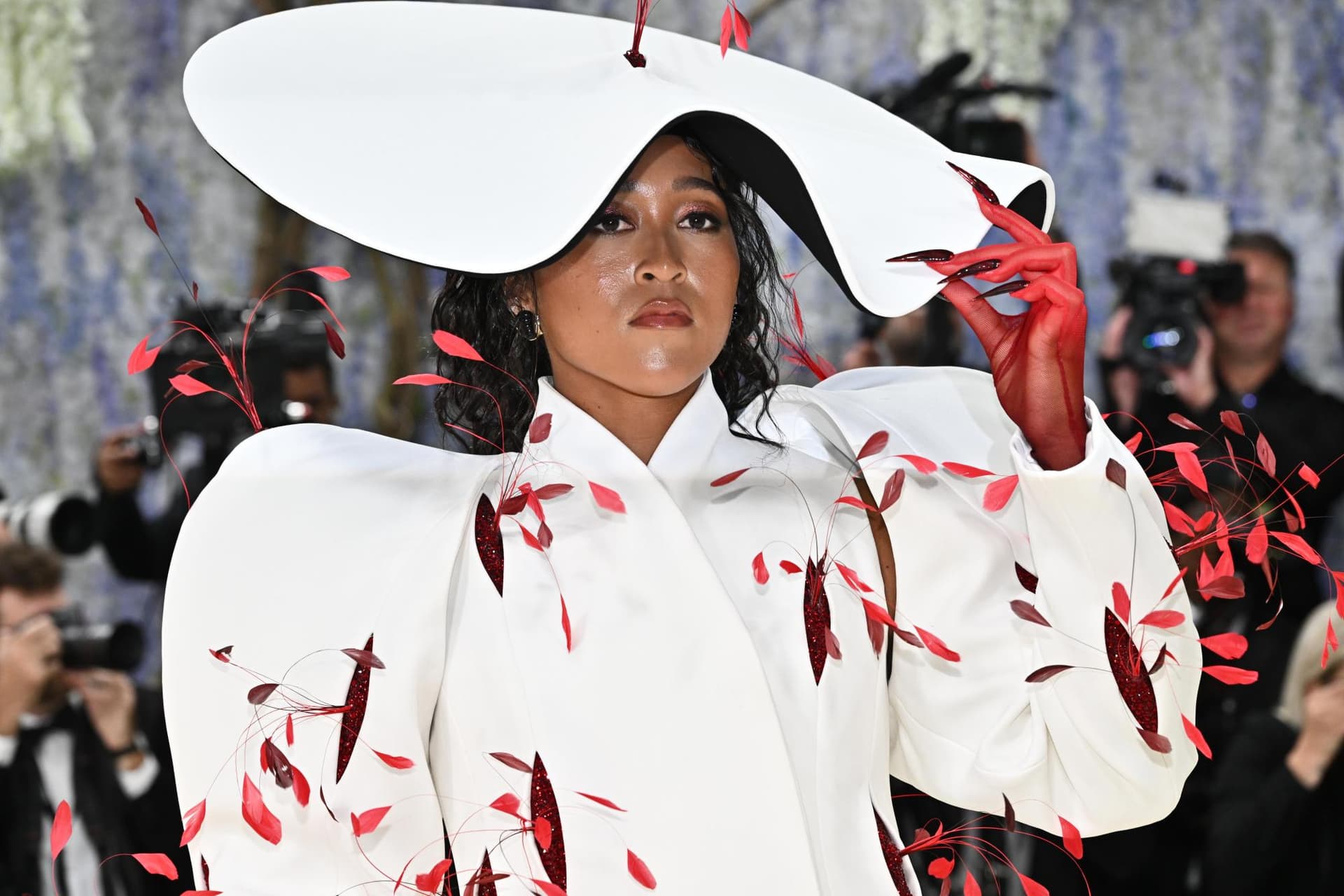
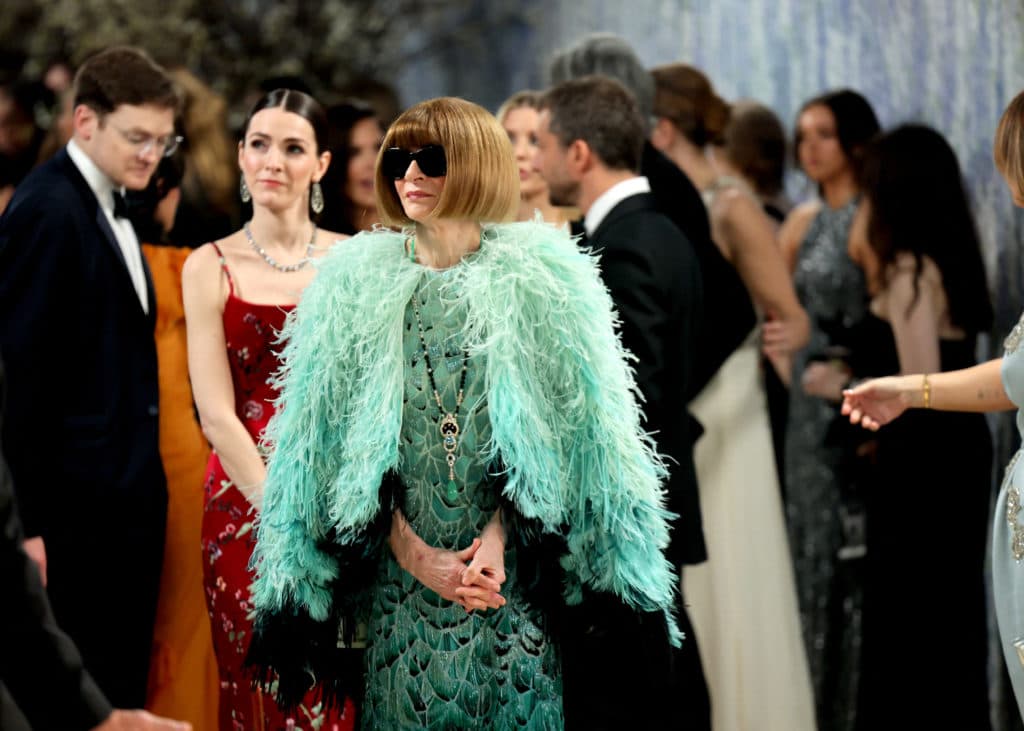
Rihanna, Beyoncé, Madonna, and Sabrina Carpenter dazzle at 2026 Met Gala
Rihanna, Beyoncé, Madonna, and Sabrina Carpenter turned the Met Gala into a high-wattage argument for fashion as art, with the museum's own theme giving the night cultural weight.

Fashion as spectacle, and as institution
Rihanna, Beyoncé, Madonna, and Sabrina Carpenter gave the 2026 Met Gala its flash, but the larger story was the museum behind the velvet rope. The event, held on Monday, May 4, 2026, is the opening-night fundraiser for The Metropolitan Museum of Art’s Costume Institute, which says the gala remains its primary source of annual funding for exhibitions, publications, acquisitions, and operations. That makes the carpet more than a celebrity parade: it is one of the rare nights when pop culture directly bankrolls the preservation and interpretation of fashion history.

The evening also carried a clear curatorial message. The gala was tied to the spring 2026 exhibition Costume Art, which opens to the public on May 10, 2026 and runs through January 10, 2027 in the museum’s new nearly 12,000-square-foot Condé M. Nast Galleries adjacent to the Great Hall. The show brings nearly 400 objects into conversation with one another, using garments and works of art to examine the centrality of the dressed body and the relationship between clothing and artistic representation. The official dress code, “Fashion is Art,” made the point plain: this was not a night for costume alone, but for fashion that could carry historical, visual, and symbolic argument.
What the theme asked of the stars
The strongest Met looks often do more than impress. They interpret. A theme like Costume Art rewards clothes that can read as composition, performance, and cultural shorthand at the same time, and that is where the most influential stars matter most. Rihanna, Beyoncé, Madonna, and Sabrina Carpenter all arrived with different kinds of celebrity capital, but each person in that quartet brings a look that can become a reference point, a headline, and a branding exercise in a single evening.
Rihanna’s presence is especially loaded because her red-carpet appearances have long carried the expectation of fashion-as-event. When she enters a room like the Met, the garment is not only clothing but a statement about who gets to define modern luxury and who gets turned into a muse. That matters at a show built around the dressed body, because Rihanna has repeatedly shown how a star can transform fashion from accessory into narrative.
Beyoncé’s place in the night was equally significant, and not only because she served as one of the co-chairs alongside Nicole Kidman, Venus Williams, and Anna Wintour. Her role blurred the line between host, icon, and visual anchor, which is exactly the kind of crossover the Met Gala depends on. When a performer of her scale steps into a theme like Fashion is Art, she helps turn the museum’s language into mainstream culture, making art-history framing legible to a far wider audience.
Madonna, meanwhile, represented a different kind of continuity. Her Met presence connects the gala to decades of performance-driven style, when fashion has often been most powerful as reinvention rather than decoration. In a show about the relationship between clothing and artistic representation, Madonna’s importance lies in how thoroughly her public image has always fused dress, persona, and provocation. She is part of the lineage that taught celebrity culture to treat the body as a canvas.
Sabrina Carpenter offered the clearest sign of generational handoff. Listed on the official host committee, she stood inside the institution rather than simply passing through it, signaling how the gala now cultivates younger cultural power as carefully as legacy fame. That positioning matters for brand strategy as much as for style, because the Met Gala increasingly functions as a platform where rising pop figures are folded into a larger fashion mythology.
Why the guest list still drives the conversation
The headline names were only part of the picture. The carpet also brought Jay-Z and Blue Ivy Carter alongside Beyoncé, while Cher, Bad Bunny, SZA, Kylie Jenner, and others widened the event’s cultural reach across music, sports, and fashion. That mix is not accidental. The Met Gala thrives when it becomes a live map of influence, with artists, heirs, veterans, and new faces all helping define which visual codes matter now.
This is where the event’s brand strategy becomes visible. The Met Gala sells rarity, but it also sells legitimacy. A celebrity look can travel instantly across social feeds and newsrooms, yet the museum’s framing gives that look a second life inside fashion history. For designers and luxury houses, the night is a campaign launch, a status marker, and an archive entry all at once. For the museum, it is a fundraising engine that helps support the Costume Institute’s work year-round.
The museum story behind the glamour
The 2026 gala also reminded viewers that The Met’s Costume Institute is not a niche corner of the museum. Its collection includes more than 33,000 costumes and accessories spanning five continents and seven centuries, a scale that gives weight to the idea that fashion is a global record of how people have presented themselves across time. Costume Art draws on that depth by pairing clothing with art objects, emphasizing that dress has always been part of visual culture, not separate from it.
That historical frame is what gives the gala its durability. The Met Gala began in 1948 as a midnight supper organized by Eleanor Lambert, who called it the “Party of the Year.” The phrase still fits, but the event has evolved from society dinner into an annual collision of museum fundraising, celebrity mythology, and fashion history. In 2026, with the livestream beginning at 5:30 pm EDT and the exhibition poised to open days later, the institution made a clear case that the red carpet is no longer just a spectacle outside the museum. It is part of the museum’s public language.
Seen that way, the best Met looks are not simply the most expensive or the most photographed. They are the ones that help explain why fashion belongs in a museum, why celebrity remains such a potent interpreter of style, and why the line between art object and outfit keeps getting thinner.
Know something we missed? Have a correction or additional information?
Submit a Tip