Robby Hoffman says her Hasidic upbringing still shapes her comedy
Robby Hoffman says her Hasidic childhood still drives her comedy, even as HBO roles and a Netflix debut special put her in the mainstream.
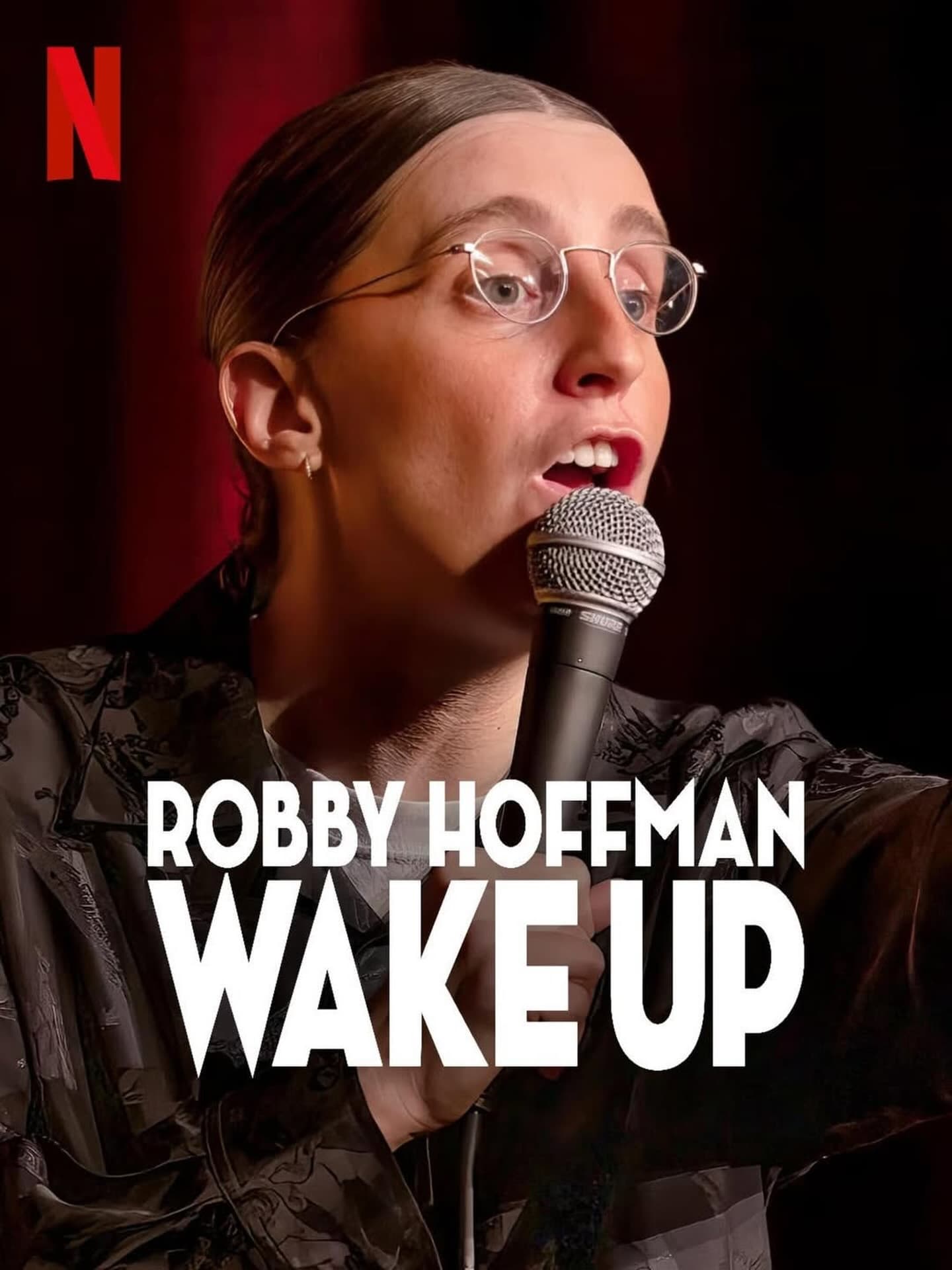
Robby Hoffman is moving deeper into the mainstream with a run that includes a scene-stealing role on Hacks, a part in HBO’s Rooster, and her first Netflix stand-up special, Wake Up. The work is expanding her reach, but the material and the persona still come from the same place: a Hasidic upbringing in Brooklyn and Montreal that she says never stopped shaping how she sees money, status and success.
That background has been central to Hoffman’s comedy for years. She grew up in a Hasidic household, later in Montreal, raised by a single mother and one of 10 children, the seventh of the 10. Hoffman has said she grew up poor, and that sense of scarcity still runs through the way she talks about herself and the way she writes jokes. Her profile now is built on the tension between where she started and where she has landed, with class memory surviving well past the point of material success.
Before comedy took over, Hoffman was studying accounting at McGill University and was on track for a conventional career. She quit on the first day of class to pursue stand-up instead. That decision has since produced a writing and performance résumé that includes The Chris Gethard Show, Baroness Von Sketch Show, Workin’ Moms and Odd Squad, where she won an Emmy for writing in 2019. In 2025, she added an Emmy acting nomination for Hacks and a spot on Variety’s 10 Comics to Watch list.
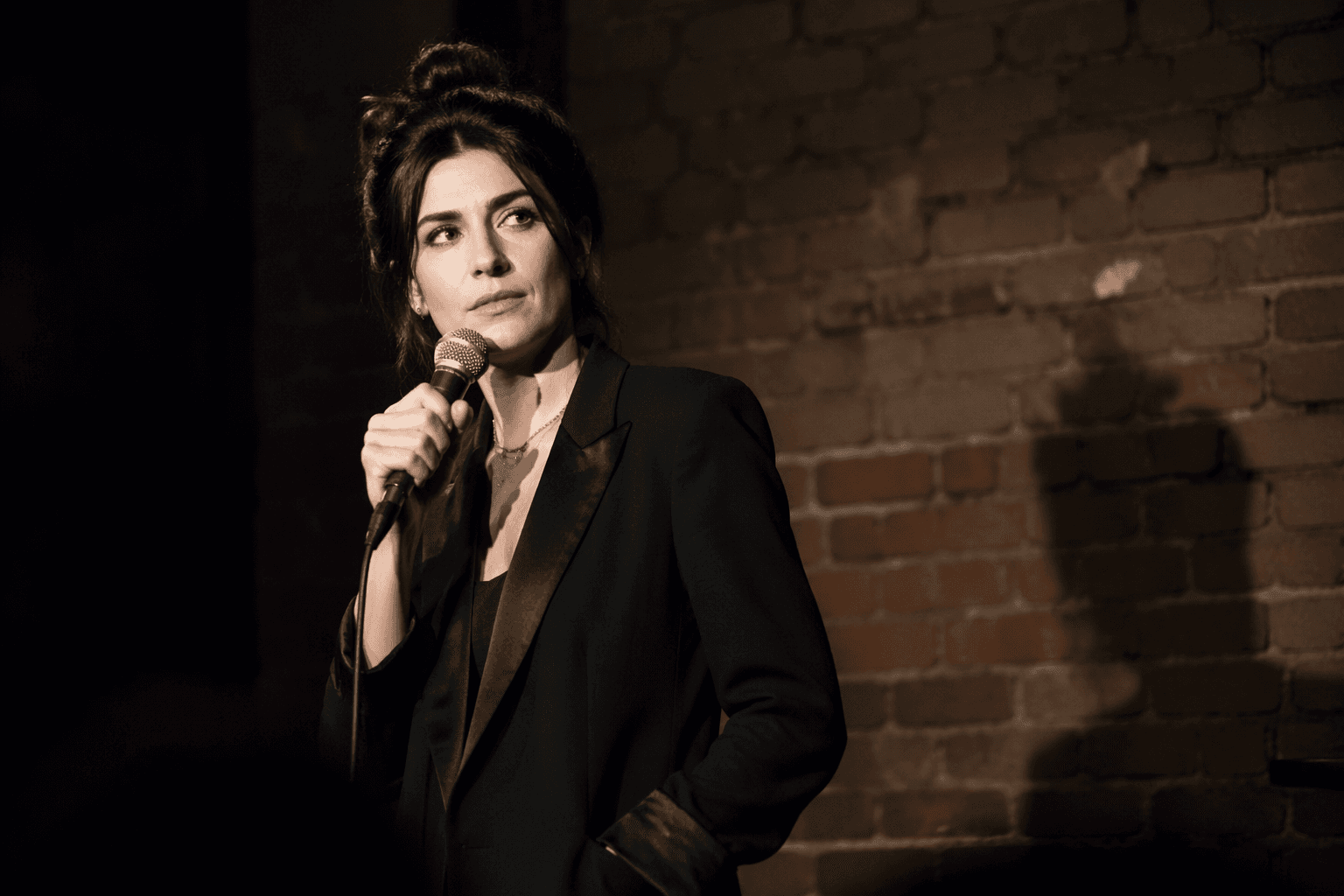
Wake Up, which Netflix identifies as Hoffman’s debut special, premiered in December 2025 and was directed by John Mulaney. The special gives a wider audience access to the same sharp, unsentimental voice that helped her break out on television. Netflix describes her as a breakout comic pushing the limits with controversial takes, and her recent projects show how quickly that voice has moved from club-stage recognition to a national platform.
Hoffman’s rise also reflects a broader path in American comedy, where artists from tight-knit religious or working-class backgrounds often turn family history into professional identity. In Hoffman’s case, the material is not nostalgia. It is the durable residue of growing up poor, and it remains part of her comedy even as her credits now stretch across premium cable, streaming and awards attention.
This article was produced by Prism’s automated news system from verified source data, official records, and press releases, then run through automated quality and moderation checks before publishing. The system is built and supervised by the people who set the standards it runs under. Read our full AI policy.
Know something we missed? Have a correction or additional information?
Submit a Tip