Robinhood beats growth targets but misses profit as trading fees fall
Robinhood’s revenue rose 15%, but a 47% drop in crypto trading fees helped push profit below Wall Street’s target and sent shares lower.

Robinhood Markets posted another quarter of expansion, but the numbers showed how much of the business still depends on trading activity. The Menlo Park, California-based brokerage reported first-quarter net income of $346 million, or 38 cents a share, missing the 44-cent estimate as transaction-based revenue came in at $623 million, well below forecasts.
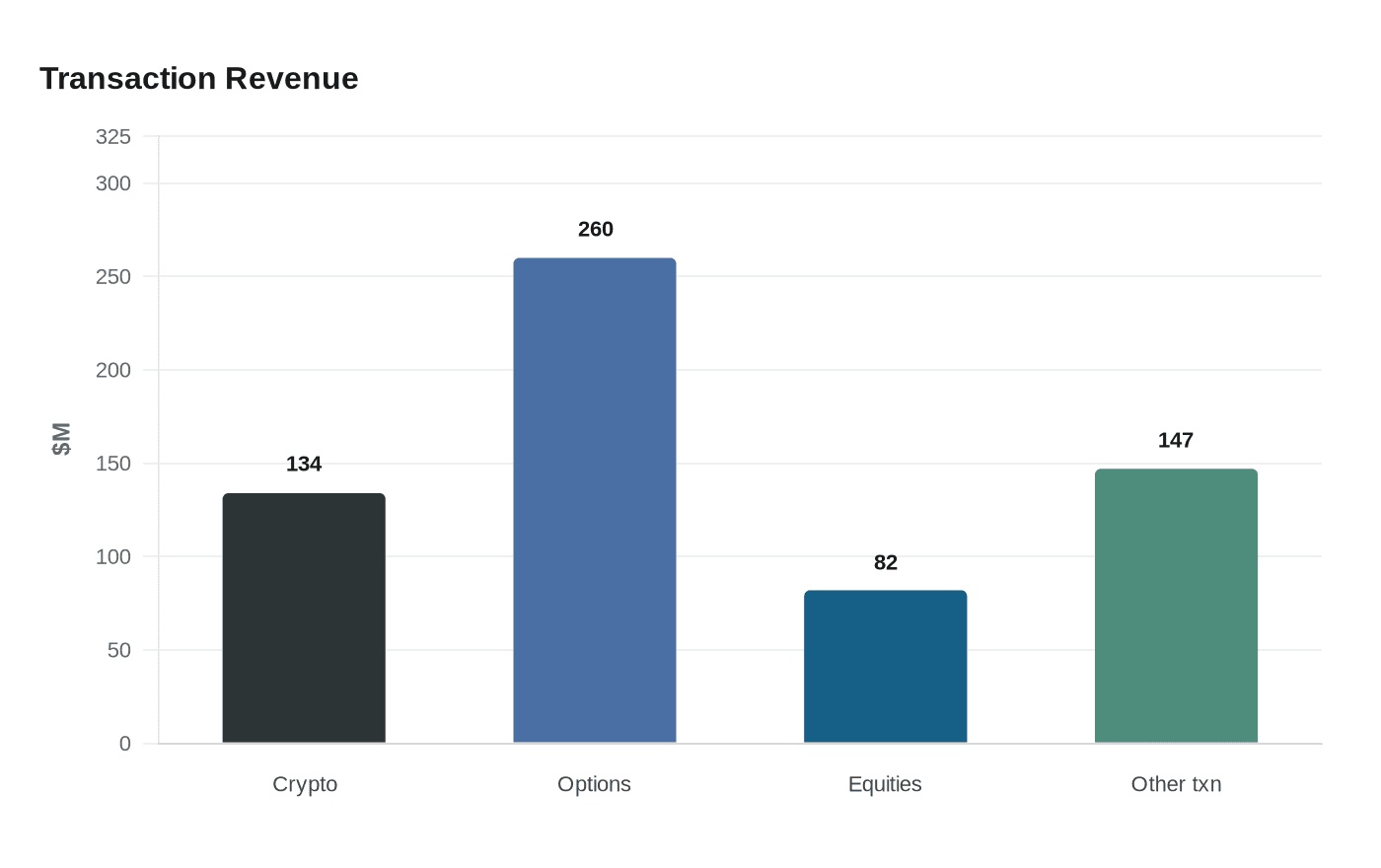
The weakest point was crypto. Robinhood’s cryptocurrency transaction revenue fell 47% from a year earlier to $134 million, even as options revenue rose 8% to $260 million and equities revenue climbed 46% to $82 million. Other transaction revenue surged 320% to $147 million, mainly from event contracts, helping lift total net revenue 15% to $1.07 billion. Even so, investors focused on the parts of the business that still swing with trading volumes and fee rates.
That split runs through the rest of the results. Net interest revenue increased 24% to $359 million, while other revenue rose 57% to $85 million, driven by $50 million from Robinhood Gold subscriptions. Net deposits reached $18 billion, a 22% annualized growth rate, funded customers rose 6% to 27.4 million, and Gold subscribers increased 36% to a record 4.3 million. Those figures point to a broader platform with growing customer assets, but they have not erased the market’s fixation on transaction revenue.

Operating expenses climbed 18% to $656 million, while adjusted EBITDA rose 14% to $534 million. Robinhood said adjusted operating expenses and stock-based compensation included $14 million of costs related to Rothera and Trump Accounts. The company also said customers stayed engaged across new products, with record volumes in prediction markets, futures and index options.
Vladimir Tenev said Robinhood was increasingly positioned at the center of customers’ financial lives and remains in the early innings of the Great Wealth Transfer. Shiv Verma said the second quarter had started strongly, with April equity and options trading volumes on track for their highest month of the year and net deposits running at about $5 billion month to date.
The market was not convinced yet. Robinhood shares fell more than 8% in extended trading after the report, and the stock had already slid more than 27% this year. For now, the company is still being judged on whether rising assets, deposits and subscriptions can produce earnings that are less exposed to the ups and downs of trading fees.
This article was produced by Prism’s automated news system from verified source data, official records, and press releases, then run through automated quality and moderation checks before publishing. The system is built and supervised by the people who set the standards it runs under. Read our full AI policy.
Did this article answer your question?

