Roblox rolls out biometric age checks for all users under 16
Roblox is using facial scans or ID checks to sort users under 16 into age-based accounts, while critics say the privacy cost remains steep.
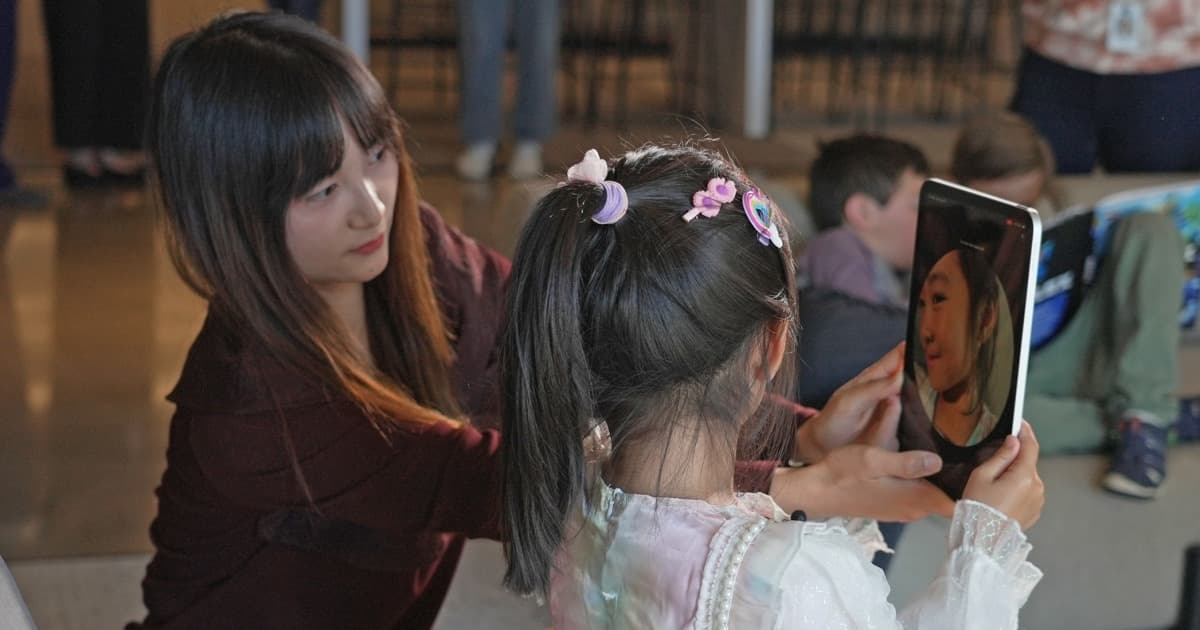
Roblox has begun placing users into age-based accounts by checking their faces or government IDs, a move the company says will make chat and content limits more age-appropriate for children. The system is aimed at users under 16, while people 16 and older will see no change to their Roblox experience.
The rollout builds on a chat restriction Roblox first imposed in the United States on January 7, 2026, when it required facial age checks to use chat and then expanded the rule globally over the following week. Under the new structure, children ages 5 to 8 are assigned Roblox Kids accounts and ages 9 to 12 are placed into Roblox Select accounts. Roblox says parents can also verify or correct a child’s age through parental controls, and users who believe the estimate is wrong can appeal through ID verification or, in some cases, a one-time reset option.

Roblox says facial images are deleted immediately after processing, but the mechanism still exposes the central tension driving the rollout: the platform is asking families to accept biometric screening in exchange for safer access to a huge online social space. The company says tens of millions of daily active users have already completed an age check, and in its pilots in Australia, New Zealand and the Netherlands, more than half of daily active users completed the process. Roblox says under-16 users will still have access to the vast majority of their favorite games at launch, and that expanded parental controls, content ratings, moderation and a new game evaluation process will sit alongside the age-based accounts.
Roblox is pitching the change as a child-safety measure, but the wider response has been more conflicted. Digital-rights and child-safety critics argue that age verification can force users to trade privacy for access, and complaints have already surfaced about inaccurate age estimates and workarounds to bypass the system. The regulatory backdrop is equally sharp: the Federal Trade Commission issued a policy statement in February 2026 encouraging age-verification technologies to protect children online after holding a workshop on the issue in January, while EPIC and other advocacy groups pressed the agency in May 2026 to investigate Roblox over manipulative design harms.
The company’s child-safety record is also under pressure from state litigation. Roblox has recently reached settlements with Nevada, Alabama and West Virginia, and Louisiana had previously sued over alleged failures to prevent adult-minor contact. That legal and political scrutiny helps explain why Roblox is betting on biometric age checks now, even as the debate continues over whether the system will meaningfully reduce harm without setting a new standard for data collection.
This article was produced by Prism’s automated news system from verified source data, official records, and press releases, then run through automated quality and moderation checks before publishing. The system is built and supervised by the people who set the standards it runs under. Read our full AI policy.
Did this article answer your question?