Rockwall County Posts Commissioners Court Agendas, Minutes and Videos for Transparency
Rockwall County posts Commissioners Court agendas, minutes, audio and video on its official website so residents can follow decisions, review votes and access supporting documents.
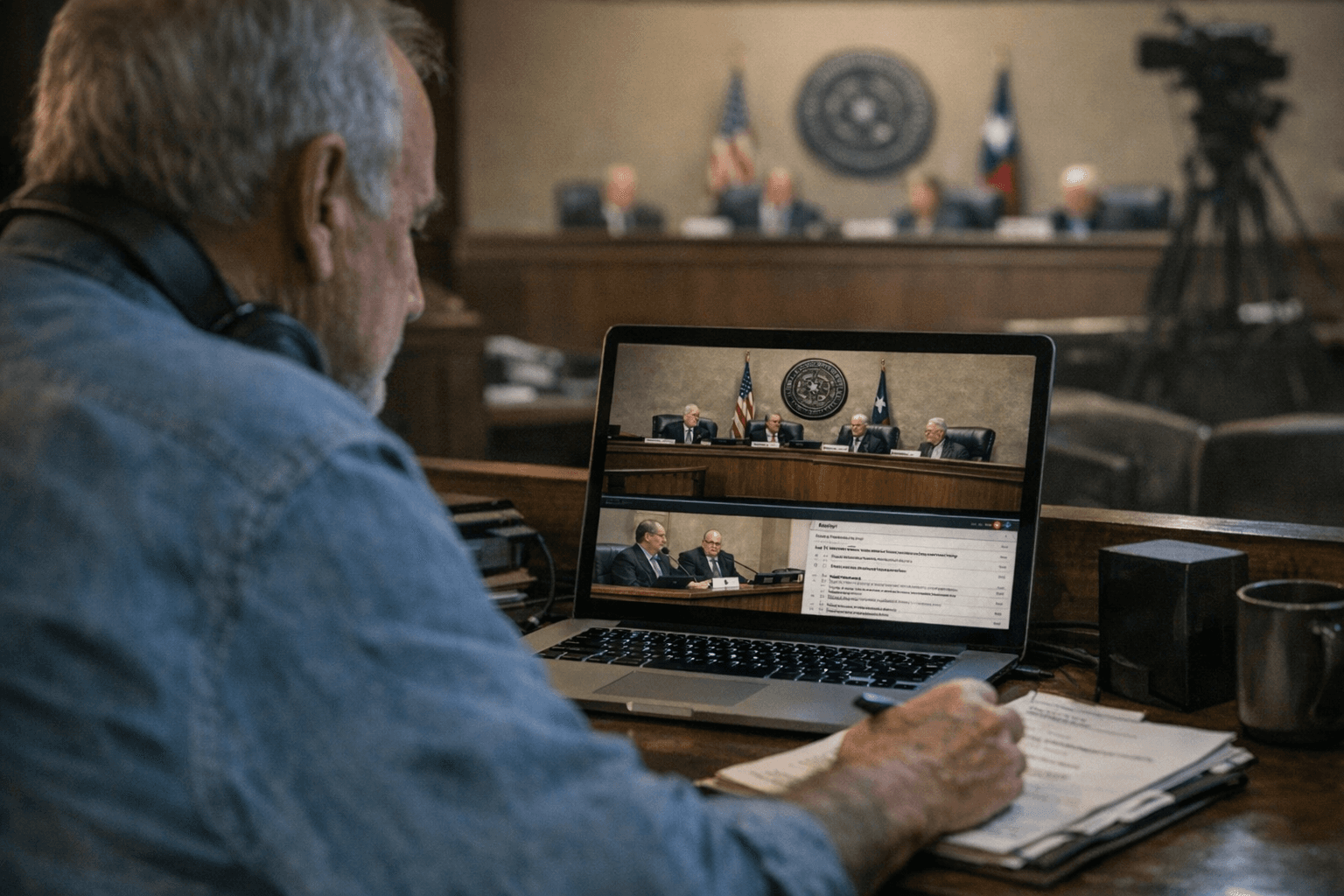
Rockwall County has made it straightforward for residents to follow local government by publishing Commissioners Court agendas, minutes, audio and video, and related documents on its official website. That central repository is designed to meet Texas open-meetings requirements and to give the public direct access to the records behind decisions on budgets, roads, contracts and other county business.
What the county posts The county’s online meeting pages include the full agenda for each Commissioners Court session, the official minutes once they are prepared, and audio or video recordings of the meetings. Related documents such as staff reports, contract attachments, budget spreadsheets and bid tabulations are posted alongside agendas when available, allowing readers to see the materials commissioners used when deliberating.
Why this matters Posting agendas, minutes and recordings ensures meetings are visible to anyone who wants to know how county officials act. Texas open-meetings requirements call for timely public notice of government meetings, and Rockwall County’s practice of sharing agendas and records online helps satisfy those legal obligations while giving residents the means to scrutinize votes and follow ongoing projects.
How to find upcoming agendas and past records Follow these sequential steps to locate materials on the county’s official website: 1. Navigate to the county’s main site and look for a Commissioners Court, Meetings, or Agendas section. 2. Open the listing for the upcoming meeting to view the agenda and any linked attachments. 3. After a meeting, return to the same page to access posted minutes and to stream or download audio or video recordings.
These steps replicate the county’s intent to keep meeting business centralized and searchable for citizens, journalists and community groups monitoring county operations.
Timing and legal requirements Texas open-meetings law generally requires public notice and posting of agendas in advance of regular meetings, commonly interpreted as at least 72 hours for routine sessions. Agendas are typically posted before meetings so residents can prepare to attend or submit public comments. Minutes and official records are produced after the meeting and may be posted later as staff complete and approve them; audio and video recordings are commonly posted for archival and transparency purposes.
What to look for in an agenda or minute When reviewing an agenda, watch for the consent agenda, public hearings, budget or tax items, and contract approvals; these items indicate where taxpayer dollars and county policy are at stake. Minutes should record motions, votes and the outcome of public hearings, helping readers confirm how individual commissioners voted and how decisions were reached. Audio and video provide the full tone and context of debate, useful when short summaries in minutes omit nuance.
- Check agendas before meetings to identify topics that affect property taxes, road projects or county services.
- Use attached documents to verify vendor names, contract amounts and budget line items.
- Watch recordings to understand discussion context when minutes are brief.
- If you need a printed or certified copy, contact the appropriate county office listed on the meeting page for formal records requests.
Practical tips for residents
Accountability and civic use Making these materials available online does more than satisfy a legal requirement: it creates a durable public record that neighbors, school officials, business owners and local journalists can use to assess policy impacts. Transparency around meeting materials helps taxpayers see where county resources are allocated and provides the factual basis for informed advocacy or praise.
A forward-looking note As Rockwall County continues to post agendas, minutes and recordings, this centralized disclosure strengthens civic oversight and decision-making. Residents who make a habit of checking the official meeting pages can monitor developments that affect daily life, from infrastructure and public safety to county budgets and contracts, and can rely on a public archive to hold local government accountable.
Sources:
Know something we missed? Have a correction or additional information?
Submit a Tip