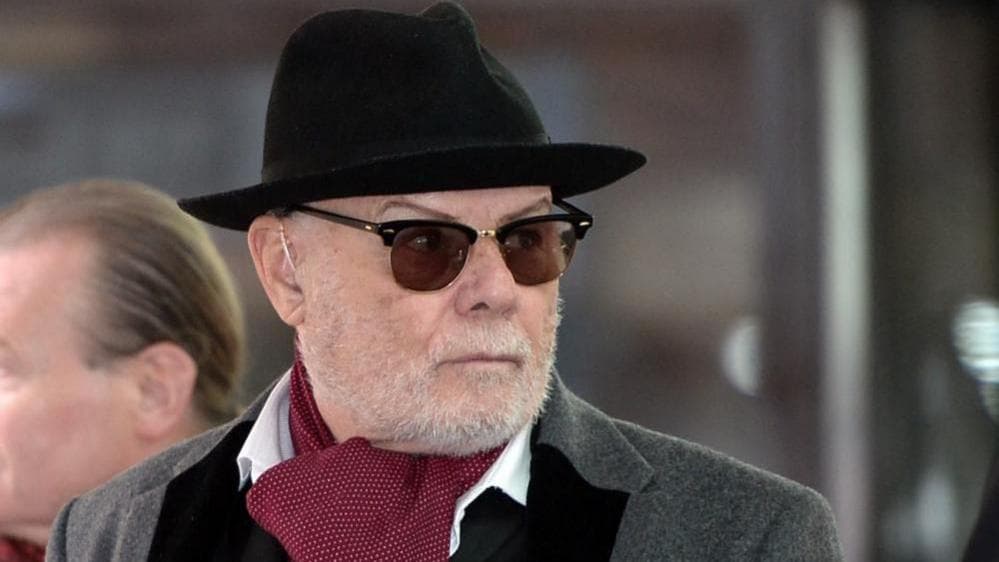
Rolling Stone unveils its 100 greatest guitar solos of all time
Prince takes No. 1 while Rolling Stone reshapes the guitar canon, mixing classic-rock giants, indie outliers, and a few pointed exclusions.
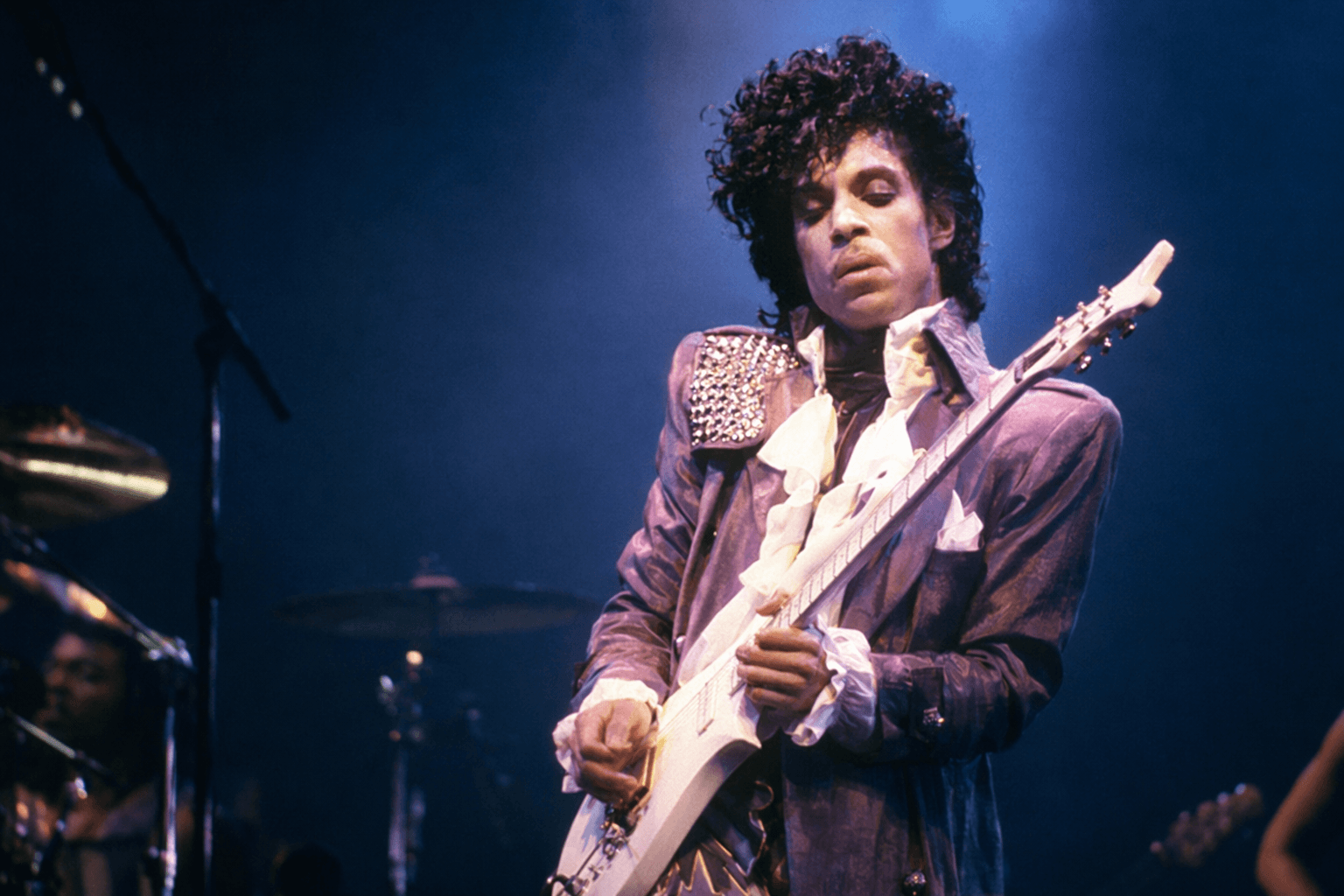
1. Prince, Purple Rain
Prince’s No. 1 slot turns a pop anthem into a canon reset, putting emotional command above old rock hierarchies. Rolling Stone is also acknowledging, by implication, how often it has had to revise its own verdicts on guitar greatness.
2. Jimi Hendrix, Machine Gun
Hendrix lands at No. 2 with a solo Rolling Stone frames as the rawest possible expression of his genius. That placement keeps his legacy central, even as the magazine refuses to let him monopolize the top.
3. Eagles, Hotel California
The dual-guitar glide of Hotel California sits at No. 3 because it is as much architecture as solo. Rolling Stone treats it as one of the clearest examples of a lead line becoming a whole cultural memory.
4. Pink Floyd, Comfortably Numb
David Gilmour’s solo remains one of rock’s cleanest studies in ache and restraint. Rolling Stone ranks it high because it feels less like flash than emotional escalation.
5. Van Halen, Eruption
Eruption still functions like a technical shock wave, the kind of playing that changed expectations for what a solo could do. Its placement reflects how virtuosity became part of the mass audience’s vocabulary.
6. Chuck Berry, Johnny B.
Goode
Berry’s signature lead is a reminder that Rolling Stone has been retuning this story for years, after Johnny B. Goode led its 2008 guitar-songs package. The new ranking keeps Berry foundational, but no longer untouchable.
7. Led Zeppelin, Stairway to Heaven
Jimmy Page’s solo stays near the summit because it still defines arena-scale expectation. The ranking shows how a song once treated as overplayed can also remain unavoidable.
8. Steely Dan, Kid Charlemagne
Larry Carlton’s work here rewards precision over swagger. Rolling Stone’s high placement says studio sophistication belongs in the same conversation as pyrotechnics.
9. Funkadelic, Maggot Brain
Eddie Hazel’s nearly 10-minute lament gives the list one of its most emotional centerpieces. It is a warning that influence is not always loud, but it can be vast.
10. The Beatles, While My Guitar Gently Weeps
Eric Clapton’s guest solo gives the Beatles one of the list’s clearest proof points for outside virtuosity. Rolling Stone places it where collaboration and melancholy collide.
11. Jimi Hendrix Experience, All Along the Watchtower
Hendrix turns Dylan into a storm, and Rolling Stone rewards the transformation. The ranking treats interpretation as its own kind of authorship.
12. Michael Jackson, Beat It
Eddie Van Halen’s cameo proves pop and rock were never separate worlds. The list values how the solo detonates inside a mainstream hit.
13. Allman Brothers Band, Statesboro Blues
Duane Allman’s slide work keeps Southern rock in the historical frame. Its placement reflects how blues vocabulary became arena language.
14. Queen, Bohemian Rhapsody
Brian May’s lead work helps a genre-hopping epic still feel effortless. Rolling Stone rewards the way the solo resolves the song’s theatrical sprawl.
15. Prince, While My Guitar Gently Weeps
Prince’s Rock Hall version turns a cover into a citation for greatness. Rolling Stone uses it to underscore that canon-making can happen in one electrifying live moment.
16. Grateful Dead, Morning Dew
Jerry Garcia’s live reading gives the Dead a place where improvisation becomes argument. The ranking favors the version that feels lived-in, not just recorded.
17. Ozzy Osbourne, Crazy Train
Randy Rhoads brings precision and bite to one of metal’s cleanest signatures. Rolling Stone’s placement keeps shred in the same room with melody.
18. Jimi Hendrix Experience, Little Wing
This is Hendrix at his most lyrical, which is exactly why it lands so high. The solo shows how delicacy can carry as much weight as distortion.
19. Lynyrd Skynyrd, Free Bird
Few solos have become a public ritual the way Free Bird has. Its ranking acknowledges how spectacle and audience memory can fuse into a single event.
20. Jeff Beck, Freeway Jam
Beck’s phrasing keeps the list honest about musicianship as craft, not just myth. It is a nod to players who made complexity feel conversational.
21. Stevie Ray Vaughan, Texas Flood
Vaughan’s placement shows that blues revivalism still carries enormous cultural authority. Rolling Stone treats his tone as a force that never lost its urgency.
22. Neil Young, Powderfinger
Young’s solo feels ragged on purpose, and that looseness is part of the power. The list rewards instinct over polish here.
23. Derek and the Dominos, Layla
Clapton’s voice on Layla remains one of rock’s most recognizable emotional climaxes. Rolling Stone keeps it high because longing can be technically unforgettable.
24. Television, Marquee Moon
Tom Verlaine’s solo gives punk a post-punk horizon. Its place says the canon no longer belongs only to classic-rock bombast.
25. Guns N’ Roses, Sweet Child O’ Mine
Slash’s lead line became one of the most replayed guitar moments in hard rock. Rolling Stone keeps it near the top because melody and muscle rarely meet this cleanly.
26. Cream, Crossroads
Clapton’s livewire delivery turns blues revival into mass mythology. This is where the list begins widening from stadium rock into lineage.
27. Metallica, One
Metallica’s entry proves speed and precision still matter in the solo canon. The band’s inclusion keeps metal from being treated as a side chapter.
28. Santana, Black Magic Woman
Santana’s phrasing gives Latin rock its rightful space inside the main story. The list hears sensuality as a form of virtuosity.
29. Rolling Stones, Can’t You Hear Me Knocking
Keith Richards brings swagger without waste, which is exactly the point. Rolling Stone rewards the way the solo sneaks up inside a groove.
30. Isley Brothers, That Lady
Ernie Isley’s guitar work reminds the list that funk is a lead-guitar tradition too. Its inclusion broadens the canon beyond white rock orthodoxy.
31. Black Sabbath, War Pigs
Tony Iommi’s lead work keeps metal’s political darkness in the frame. The ranking treats heaviness as a compositional language, not a costume.
32. The Beatles, Something
George Harrison’s solo is a masterclass in economy. Rolling Stone places it where restraint still counts as genius.
33. Dire Straits, Sultans of Swing
Mark Knopfler’s fingerstyle phrasing gives the list a precision-built classic. It is one of the clearest examples of tone carrying narrative.
34. Sister Rosetta Tharpe, Strange Things Happening Every Day
Putting Tharpe this high is one of the list’s most meaningful corrections. It acknowledges how often rock history borrowed from Black gospel and blues without naming the source.
35. White Stripes, Ball and Biscuit
Jack White’s fuzz-soaked attack pushes garage rock into the elite tier. The solo earns its place as both a throwback and a reinvention.
36. The Kinks, You Really Got Me
This is riff culture breaking into solo culture. Rolling Stone keeps it here because the song’s impact still sounds like ignition.
37. Rush, Limelight
Alex Lifeson gives prog rock a concise, humane center. The ranking reminds readers that technical music can still feel intimate.
38. B.B.
King, Sweet Sixteen
King’s phrasing is a lesson in how much can be said with very little. The list honors blues speech as its own virtuoso form.
39. Phish, Stash
Phish earns a place for improvisational culture that lives outside old radio hierarchies. Rolling Stone is clearly making room for jam-band seriousness.
40. Bonnie Raitt, Three Time Loser
Raitt’s inclusion keeps women at the center of a field often narrated as male. Her tone has always made understatement sound expensive.
41. Elvis Presley, That’s All Right
The solo here matters as a link between early rock and the form it became. Rolling Stone keeps its roots music genealogy visible.
42. The Band, It Makes No Difference
This is one of the list’s gentlest entries, and it works because feeling outruns flash. The canon broadens when emotional shading counts.
43. Wilco, Impossible Germany
Nels Cline’s work gives indie rock a place in the serious-solo conversation. The ranking shows how the magazine now treats alt-rock as history, not novelty.
44. Rage Against the Machine, Killing in the Name
Tom Morello’s soloing turns technique into protest. Rolling Stone’s placement acknowledges political electricity as part of guitar greatness.
45. Velvet Underground, I Heard Her Call My Name
Lou Reed’s noise-first approach is less about polish than rupture. The list respects how avant-garde mess can reshape rock vocabulary.
46. Rolling Stones, Sympathy for the Devil
Mick Taylor’s work adds menace to one of the Stones’ most enduring songs. The ranking values the way a solo can change the moral weather of a track.
47. Howlin’ Wolf, Spoonful
This brings the blues back to the center, where it belongs. The solo’s impact reminds the reader how much rock learned from Chicago originals.
48. Joe Satriani, Surfing With the Alien
Satriani stands for instrumental guitar as a full genre, not a curiosity. Rolling Stone includes flash, but only when it tells a story.
49. Sonic Youth, The Diamond Sea
Noise becomes atmosphere here, and atmosphere becomes canon. The list clearly has room for experimental guitar language.
50. St.
Vincent, Rattlesnake
St. Vincent’s presence helps explain the streaming-era widening of the canon. Rolling Stone is no longer pretending the future of guitar belongs only to the past.
51. The Byrds, Eight Miles High
Roger McGuinn’s playing keeps psychedelic expansion in frame. The list hears the 1960s as a laboratory, not just a nostalgia zone.
52. Fleetwood Mac, Albatross
This instrumental entry slows the pace and proves mood can outrank velocity. Its placement helps break the assumption that solos must always explode.
53. Mdou Moctar, Afrique Victime
Mdou Moctar brings contemporary global rock language into a list often guarded by Anglo-American memory. That matters because the canon gets smaller when it stays local.
54. Freddie King, Going Down
Freddie King keeps the blues lineage alive in the middle of the ranking. This is one more reminder that rock’s prestige still rests on older Black forms.
55. Dinosaur Jr., Freak Scene
J Mascis gives distortion an emotional core. The list rewards the way noise can feel vulnerable instead of merely loud.
56. Link Wray, Rumble
Rumble remains a foundational act of guitar menace. Rolling Stone places it where proto-rock still looks revolutionary.
57. Brian Eno, Baby’s on Fire
Eno’s inclusion shows the list is willing to cross into art-rock abstraction. It is one of the cleaner examples of taste outrunning genre boundaries.
58. Deep Purple, Highway Star
Rolling Stone makes a point of putting Highway Star here instead of Smoke on the Water because the list is about solos, not riffs. That distinction is the magazine’s way of policing, and refreshing, rock memory.
59. Pretenders, Tattooed Love Boys
Chrissie Hynde’s band enters through one of its sharpest guitar moments. The ranking gives punk-adjacent toughness real estate alongside classic-rock grandeur.
60. Blue Öyster Cult, (Don’t Fear) The Reaper
Buck Dharma’s lead line proves elegant hooks can survive forever. The list keeps space for songs that became larger than their own radio lives.
61. Boris, Naki Kyoku
Boris represents how far the list stretches beyond U.S. classic-rock orthodoxy. Its inclusion says instrumental heaviness can still surprise a mainstream canon.
62. Eric Johnson, Cliffs of Dover
Johnson’s placement celebrates smooth technical control without burying the melody. The ranking respects players who make precision feel airborne.
63. Boston, More Than a Feeling
This solo remains a model of melodic lift. Rolling Stone is saying earworm and excellence are not opposites.
64. Radiohead, Paranoid Android
Radiohead gets in by making disorientation sound deliberate. The canon here leaves room for alternative-era complexity.
65. Dick Dale and the Del-Tones, Misirlou
Surf guitar enters as a force of pure motion. Dale’s tone proves speed can be its own kind of identity.
66. King Sunny Ade, Sunny Ti Die
King Sunny Ade widens the map beyond Western rock frames. Its placement is one of the list’s clearest signs that guitar history is global.
67. Helium, XXX
This is a reminder that the list does not only worship major-label mythology. Indie underground memory has a seat, too.
68. Iron Maiden, The Trooper
Iron Maiden keeps metal’s gallop in the mainstream conversation. The ranking treats precision and stamina as equal to flash.
69. Frank Zappa, Watermelon in Easter Hay
Zappa’s entry rewards oddity with patience. The list recognizes that guitar heroism can also be cinematic and strange.
70. Nirvana, Heart-Shaped Box
Cobain’s solo proves a generation raised on distortion still gets canonized. It is one of the ranking’s strongest nods to alternative rock’s permanence.
71. Yeah Yeah Yeahs, Maps
Karen O’s band lands here because indie passion can carry a lead line as much as old-school virtuosity. Rolling Stone’s canon has clearly moved past pure classic-rock gatekeeping.
72. The Knack, My Sharona
This is one of those solos that never stops living inside public memory. Its placement reflects how pop-rock hooks outlast critical snobbery.
73. Dale Hawkins, Susie-Q
The list digs deeper into roots rock as it moves lower. Hawkins shows how early rock guitar still shapes the whole story.
74. Sleater-Kinney, Let’s Call It Love
Sleater-Kinney’s entry keeps the post-punk lineage visible. It also signals that guitar greatness is not confined to older male heroes.
75. The Cars, Just What I Needed
Elliot Easton’s solo is pop architecture in miniature. Rolling Stone rewards a lead that feels composed as much as performed.
76. Jimmy Eat World, The Middle
This is the kind of late-list inclusion that tells streaming-era readers the canon has room for 2000s radio rock. Its charm lies in how instantly familiar it feels.
77. Albert King, Crosscut Saw
Albert King keeps the blues lineage unbroken. The list’s lower half still leans on elders who made the whole form possible.
78. Judas Priest, Painkiller
Painkiller brings speed-metal severity into the conversation. Rolling Stone is not flattening metal into a novelty, it is ranking it.
79. Yes, Starship Trooper
Prog earns a place through patience and scale. The list respects a solo that unfolds like a small symphony.
80. Steve Vai, For the Love of God
Vai represents the virtuoso end of the spectrum without apology. Rolling Stone is celebrating a guitar culture built on discipline as much as drama.
81. MJ Lenderman, Knockin’
Lenderman’s inclusion makes the streaming-era point impossible to miss. Younger indie guitarists are no longer outside the canon, they are being written into it.
82. Richard and Linda Thompson, The Calvary Cross
This entry rewards nuance and folk-rock shadow. It is another sign that the list values atmosphere, not just athleticism.
83. Talking Heads, Born Under Punches, The Heat Goes On
The Talking Heads slot pushes art-rock into the solo conversation without embarrassment. Rolling Stone is making room for groove-driven tension as a serious guitar language.
84. Pearl Jam, Alive
Mike McCready’s lead work keeps arena-grunge in the frame. The ranking shows the 1990s are now old enough to be canonized.
85. John Mayer, Gravity
Mayer’s presence is one of the clearest examples of the list updating its taste profile. He sits inside the canon now, not outside it.
86. Pantera, Cemetery Gates
Dimebag Darrell’s placement acknowledges technical metal without hesitation. The list lets flash and feeling occupy the same sentence.
87. Girlschool, C’mon Let’s Go
Girlschool’s inclusion helps repair a history that has too often minimized women in hard rock. The canon gets wider when it remembers them.
88. Genesis, Firth of Fifth
Steve Hackett’s solo gives prog its own soaring prestige. Rolling Stone is willing to treat complexity as pleasure, not homework.
89. Gerry Rafferty, Baker Street
Baker Street’s guitar break is one of yacht rock’s most enduring surprises. Its ranking shows how soft-rock memory can still punch above its weight.
90. Paul Butterfield Blues Band, East-West
Michael Bloomfield’s 13-minute stretch is one of the list’s clearest arguments for improvisation as headline art. It keeps the blues as a live, searching language rather than a museum piece.
91. Aerosmith, Walk This Way
Joe Perry’s solo gives hard rock one of its most recognizable climbs. Its place near the bottom half still says a lot about how much radio hooks and virtuosity can overlap.
92. Stephen Malkmus and the Jicks, Share the Red
This is the sort of indie-left-field inclusion that marks a streaming-era canon. Rolling Stone is no longer using “greatest” as shorthand for old FM radio alone.
93. The Commodores, Easy
Thomas McClary’s solo gives a soft-rock staple a sharper edge than its title suggests. The ranking’s breadth matters because soul and pop guitar get to sit beside metal and blues.
94. Smashing Pumpkins, Mayonaise
Billy Corgan’s entry extends the 1990s’ reach into guitar-history seriousness. Rolling Stone is clearly willing to canonize melancholy as much as swagger.
95. Les Paul and Mary Ford, How High the Moon
This is the list’s nod to a pop tune with jazz-background lineage, even as Rolling Stone explicitly says it excluded jazz entries. The boundary is telling, because it shows how gatekeeping still shapes who gets remembered as a guitar master.
96. Red Hot Chili Peppers, Scar Tissue
John Frusciante’s solo proves understatement can be as memorable as overdrive. The ranking lets post-1990s alt-rock sound adult and durable.
97. Megadeth, Hangar 18
This is metal as technical spectacle, not just volume. Rolling Stone keeps the shredders in frame even this far down the list.
98. Geese, Getting Killed
Geese’s presence is one of the list’s sharpest generational signals. It says the canon is still being negotiated in real time, not embalmed.
99. Buddy Guy, Stone Crazy
Buddy Guy brings the blues back at the edge of the top 100, where it still belongs. The ranking reminds readers that every later solo owes a debt to this lineage.
100. AC/DC, You Shook Me All Night Long
Ending on Angus Young is a clear choice: the canon closes with a classic that still feels like a live wire. Rolling Stone’s final spot says the greatest solo can be huge, simple, and instantly memorable at the same time.
This article was produced by Prism’s automated news system from verified source data, official records, and press releases, then run through automated quality and moderation checks before publishing. The system is built and supervised by the people who set the standards it runs under. Read our full AI policy.
Did this article answer your question?