Romania weighs NATO Article 4 after suspected Russian drone attack
A suspected Russian drone wounded two civilians in Romania, prompting talk of Article 4, a NATO consultative step that stops short of collective defense.

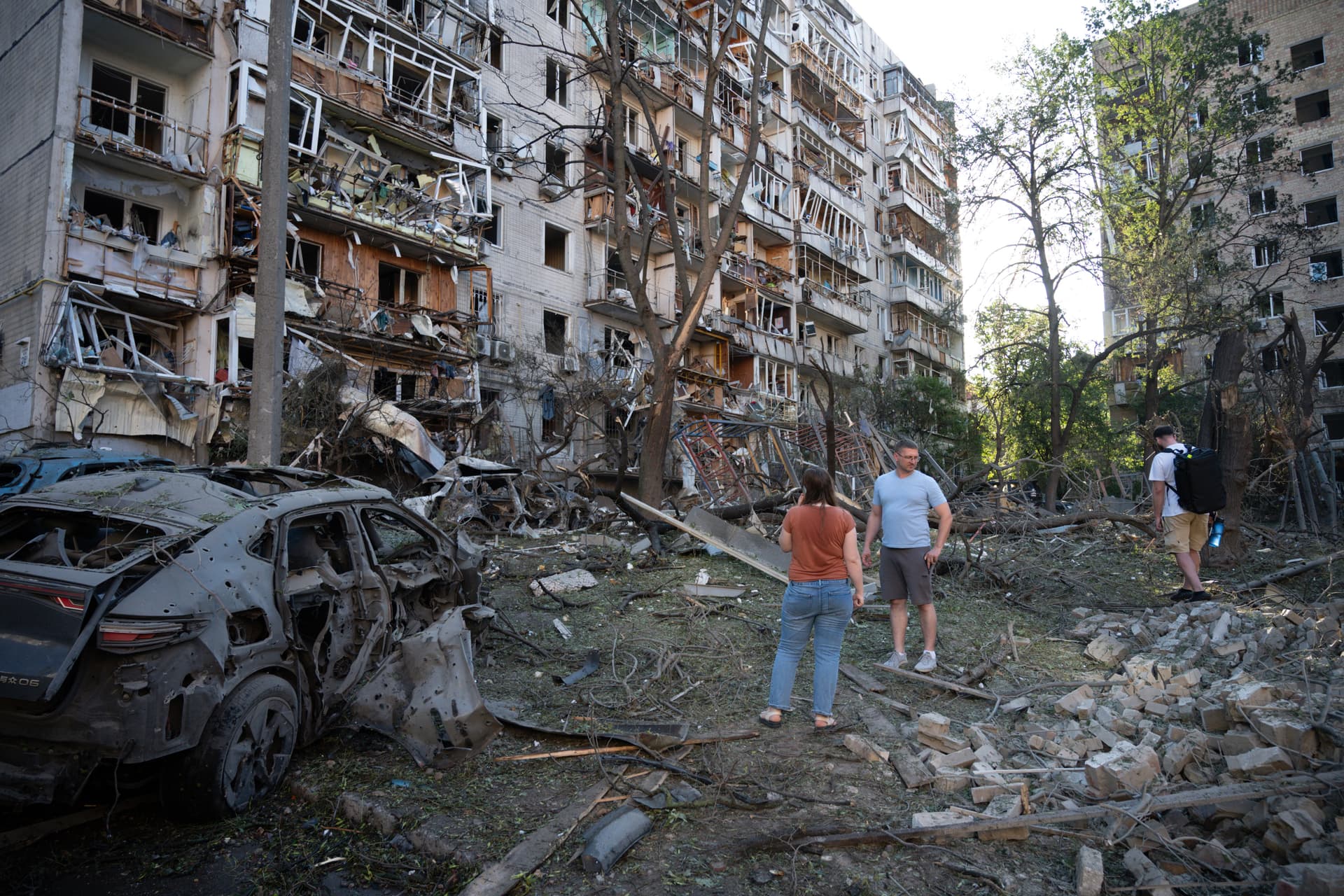
Romanian officials moved to treat the suspected Russian drone strike as more than a border violation after debris from the attack wounded two civilians and forced the evacuation of more than 200 local residents near the Black Sea coast. Foreign Minister Oana Țoiu said Romania could use NATO Article 4 as an instrument, while also calling the strike irresponsible, provocative and a threat to public safety.
Article 4 is not NATO’s collective-defense clause. It allows any ally to bring a security concern to the North Atlantic Council, NATO’s principal political decision-making body, for consultation. That means allies can meet, assess the threat and coordinate their response, but the clause does not automatically trigger military action. Article 5 is different: it is the treaty’s collective-defense provision, the one that can put the alliance on a path toward mutual military support if a member is attacked.
That distinction has become increasingly important as drone incidents have spread across NATO’s eastern flank. NATO says Article 4 has been invoked nine times since 1949. Romania was among eight allies that requested consultations on February 24, 2022, after Russia’s full-scale invasion of Ukraine, and Poland invoked the same clause on March 3, 2014, amid rising tensions linked to Russia’s actions in Ukraine. Türkiye has also used it in past security crises, including after terrorist attacks in 2015.
The mechanism has also become a political signal in the drone era. Poland again turned to Article 4 in September 2025 after Russian drones crossed into Polish airspace, showing how allies are using consultations to test NATO unity without crossing the threshold of collective defense. Romania has been reinforced before as well: NATO Response Force units arrived there on February 28 and March 1, 2022, to strengthen the alliance’s defensive posture on its eastern flank.
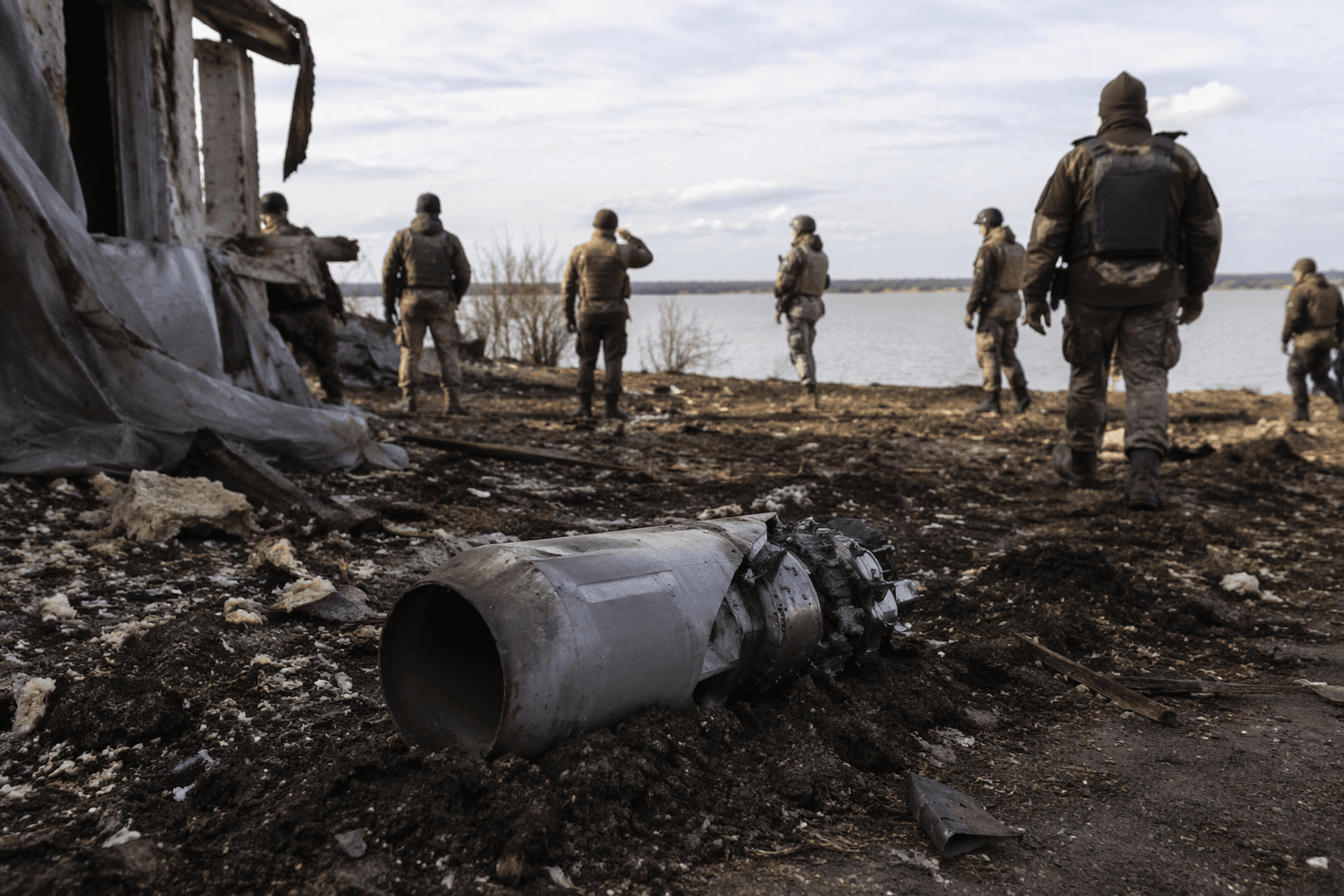
The latest Romanian incident sharpened those concerns. Reports said emergency teams secured the area after confirming the drone fragments contained an explosive payload. Romania’s Ministry of Foreign Affairs said Țoiu planned to summon Russia’s ambassador, Vladimir Lipaev, over the breach. The European Union also condemned the attack.
Romania had already recorded seven drone violations of its airspace so far in 2026, a sharp rise that has raised alarm in Bucharest and across the alliance. Each new breach pushes Article 4 closer to being not just a procedural tool, but an early warning stage in NATO escalation, where political consultation becomes the first line of defense.
This article was produced by Prism’s automated news system from verified source data, official records, and press releases, then run through automated quality and moderation checks before publishing. The system is built and supervised by the people who set the standards it runs under. Read our full AI policy.
Did this article answer your question?