Romania’s president names Adrian Vestea as prime minister pick after setback
Nicusor Dan turned to Adrian Vestea after Eugen Tomac lost backing, a move meant to restart cabinet talks and steady a fractured government.

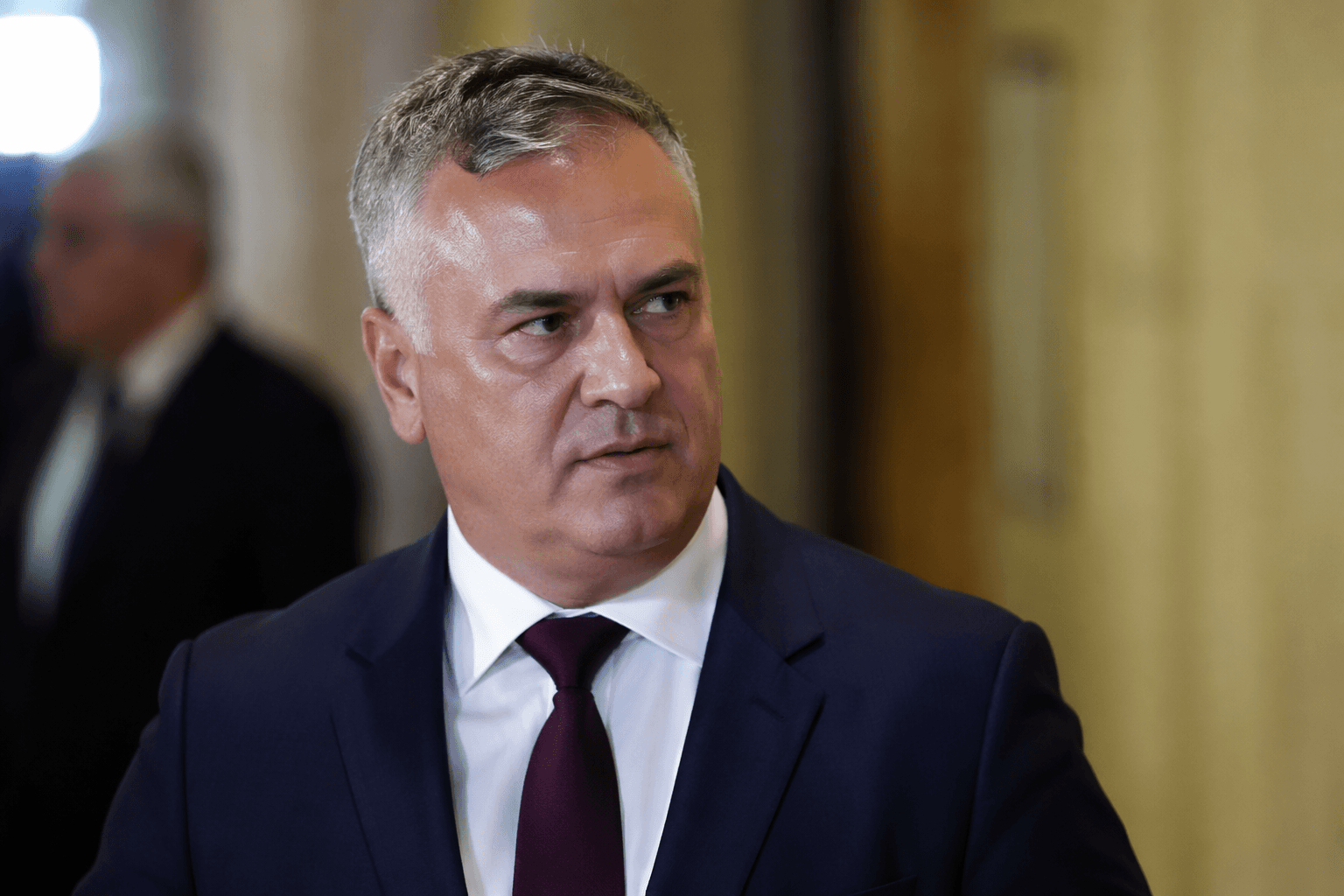
Romania’s centrist President Nicusor Dan turned to Adrian Vestea as his new prime minister pick on June 14 after independent candidate Eugen Tomac withdrew and failed to line up enough parliamentary support for a technocratic cabinet. The choice, of a senior National Liberal Party figure who also leads the Brasov County Council, was meant to keep the formation process moving after the earlier bid stalled.
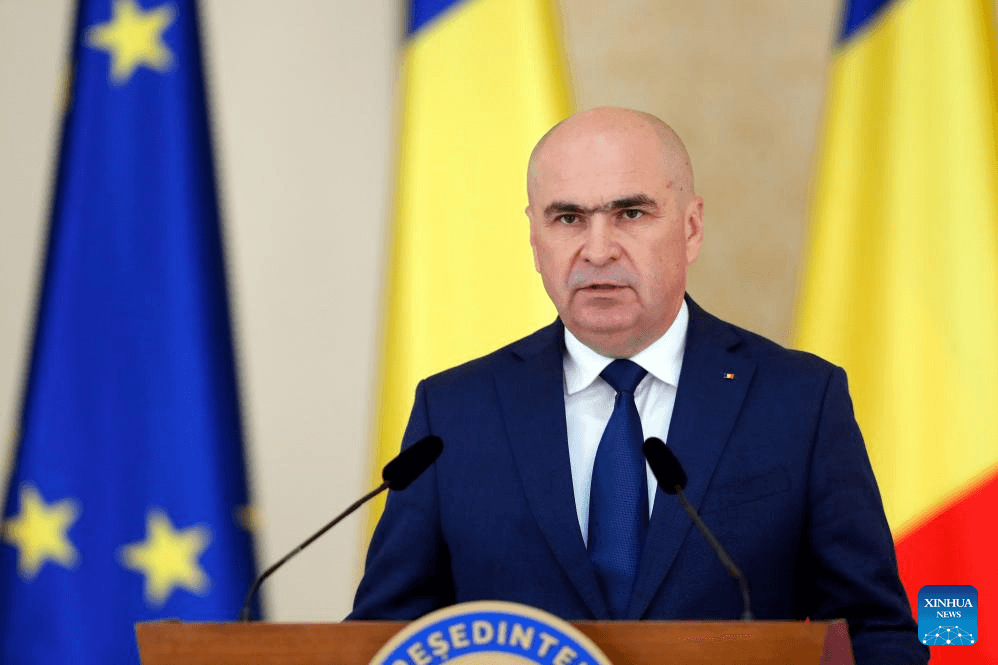
Vestea is 52, and his selection underscores how much Romania’s next government will depend on coalition math rather than ideological purity. Dan announced the nomination at Cotroceni Palace in Bucharest, and the decree naming Vestea was published the same day in the Official Journal of Romania, signaling that the president wanted to move quickly from a deadlock to a workable arrangement.
The stakes are larger than a single personnel change. Romania’s government collapsed on May 5, 2026, when lawmakers toppled Prime Minister Ilie Bolojan in a no-confidence vote that passed 281 to four after the coalition fractured over unpopular austerity measures and fiscal reforms. The fall of that pro-European Union government put the country’s sovereign debt ratings, access to EU funds and currency stability at risk, while also complicating efforts to reduce the bloc’s widest budget deficit.
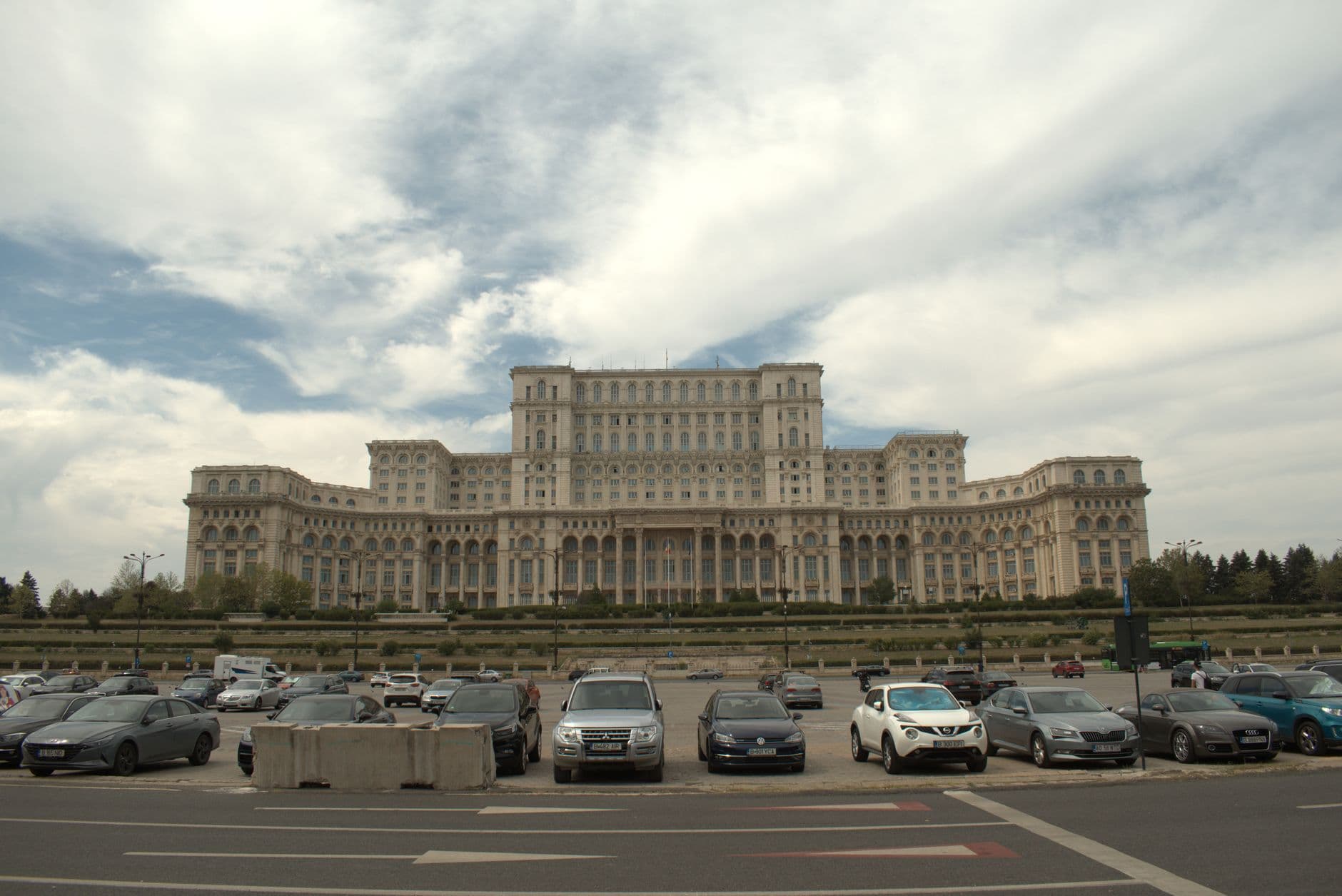
Under Romania’s constitution, the president designates a prime minister candidate after consultations with parliamentary parties, and the nominee then has 10 days to seek a confidence vote on both the governing program and the full cabinet list. That deadline now hangs over Vestea, who must pull together enough support in Parliament of Romania to show that the presidency can still produce a functioning majority.
The broader political calculation is clear. Dan is trying to avoid a prolonged vacuum and reduce the risk of an early election, even as the far right leads opinion surveys and the next regular parliamentary election is not due until 2028. Romania has never held an early parliamentary election, which makes a negotiated government the far more likely path.

For Brussels and other European partners watching Romania’s fiscal and political strain, the nomination is a test of whether the country can restore governability after months of instability. Vestea’s rise suggests Dan is prioritizing a cabinet with enough parliamentary weight to survive, pass budgets and keep public administration moving, even if that means stepping back from the idea of an independent technocrat at the center of power.
This article was produced by Prism’s automated news system from verified source data, official records, and press releases, then run through automated quality and moderation checks before publishing. The system is built and supervised by the people who set the standards it runs under. Read our full AI policy.
Know something we missed? Have a correction or additional information?
Submit a Tip