Rowan Oak and Oxford Square Highlight Must-See Lafayette County Attractions
Rowan Oak’s preserved rooms and garden trails anchor Oxford’s literary pilgrimage, while the historic Oxford Square — with Square Books, festivals, and local shops — drives the town’s cultural life.
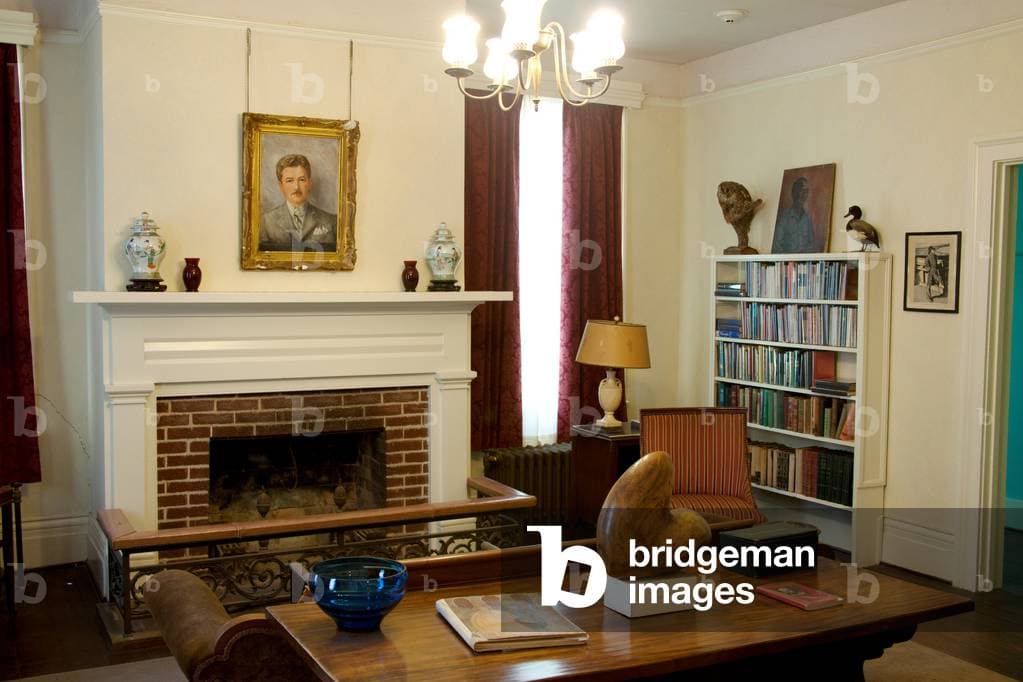
A short walk from the University of Mississippi, a modest Greek Revival house at 916 Old Taylor Rd draws readers and students to Lafayette County to stand where William Faulkner wrote. Rowan Oak offers a near‑intact look at Faulkner’s life and work, while a few blocks away the red‑brick Lafayette County Courthouse and the shops around 160 Courthouse Square make the Square the city’s year‑round civic stage.
Rowan Oak — William Faulkner’s home Rowan Oak is the historic home of William Faulkner, a mid‑19th‑century house built in the 1840s by Robert Sheegog and later purchased and renovated by Faulkner in the 1930s. Visitors can walk through the rooms filled with Faulkner’s personal belongings, books, and memorabilia, seeing the house preserved much as he left it — a powerful, tangible connection to Southern literature and the creative life that helps anchor Oxford’s identity.
Practical details for visiting are specific and, in places, strict. The house is located at 916 Old Taylor Rd, Oxford, Mississippi 38655; the posted phone number is (662) 234‑3284. The most complete public schedule lists Rowan Oak as open to visitors Tuesday–Saturday 10:00 a.m.–4:00 p.m. and Sunday 1:00 p.m.–4:00 p.m., with the house closed on Mondays. House admission is $5.00 per person, cash only; children 12 and under, University of Mississippi students/faculty/staff, and University Museum members are admitted free. Because Rowan Oak has posted seasonal and emergency notices in the past, callers should confirm hours and policies before traveling.
Rowan Oak’s site policies are intended to protect a fragile historic landscape and artifacts. The house and grounds enforce a range of restrictions: no private events without permission, no picnics on the grounds during business hours, and no smoking or open flames. The site also prohibits drone photography and commercial or advertising photography without University approval, and specifically asks guests not to use confetti, glitter, bird seed, rice, flower petals, or champagne poppers that could become litter. These rules reflect a preservation ethic for both the house and the surrounding garden and trees.
There is a point of confusion about hours on the grounds in existing public materials: one notice described the grounds as open “from dusk to dawn,” while Rowan Oak’s visitor guidelines explicitly say do not visit the grounds after daylight hours. For safety and preservation reasons — and because the site issued an explicit closure after winter storm Fern stating, “Rowan Oak is CLOSED until further notice due to impact from winter storm Fern. Both the house and grounds are closed. Please do not walk the grounds until it is deemed safe and clear of debris” — treat the Rowan Oak visitor rules as authoritative and confirm current status by phone before you go.
Rowan Oak sits within a network of campus and city walking routes that make it easy to pair a house visit with additional cultural stops. “Walk like William Faulkner on the Bailey Woods trail, located behind the University Museum. It is a twenty‑minute walk to the historic house of William Faulkner.” The trail and the house gardens reflect the town’s green infrastructure: Ironstorage and other guides note Oxford’s outdoor spaces as places for relaxation, exercise and nature appreciation, and the Bailey Woods connection creates a scenic, walkable route between the university museum and Faulkner’s property.
Oxford Square and Square Books Oxford’s Courthouse Square functions as the city’s social and cultural hub: historic 19th‑century buildings now house restaurants, bars, galleries and independent shops, and the Square regularly anchors festivals, markets and live music events. The Square’s visual icons — from the Lafayette County Courthouse to the compact red phone booth — make it a lively center for both everyday outings and seasonal civic gatherings; the Square has even been recognized nationally as one of the country’s notable downtowns.
Square Books, at 160 Courthouse Square, is the Square’s best‑known cultural anchor. The independent bookstore offers a “delightful assortment of novels, maps, journals, cookbooks, and puzzles, complemented by a cozy coffee shop,” and it hosts numerous book signings every year by renowned authors and celebrities. The shop’s phone number is (662) 236‑2262; its presence at the Square helps sustain a year‑round calendar of author events that draw visitors and support local hospitality businesses.
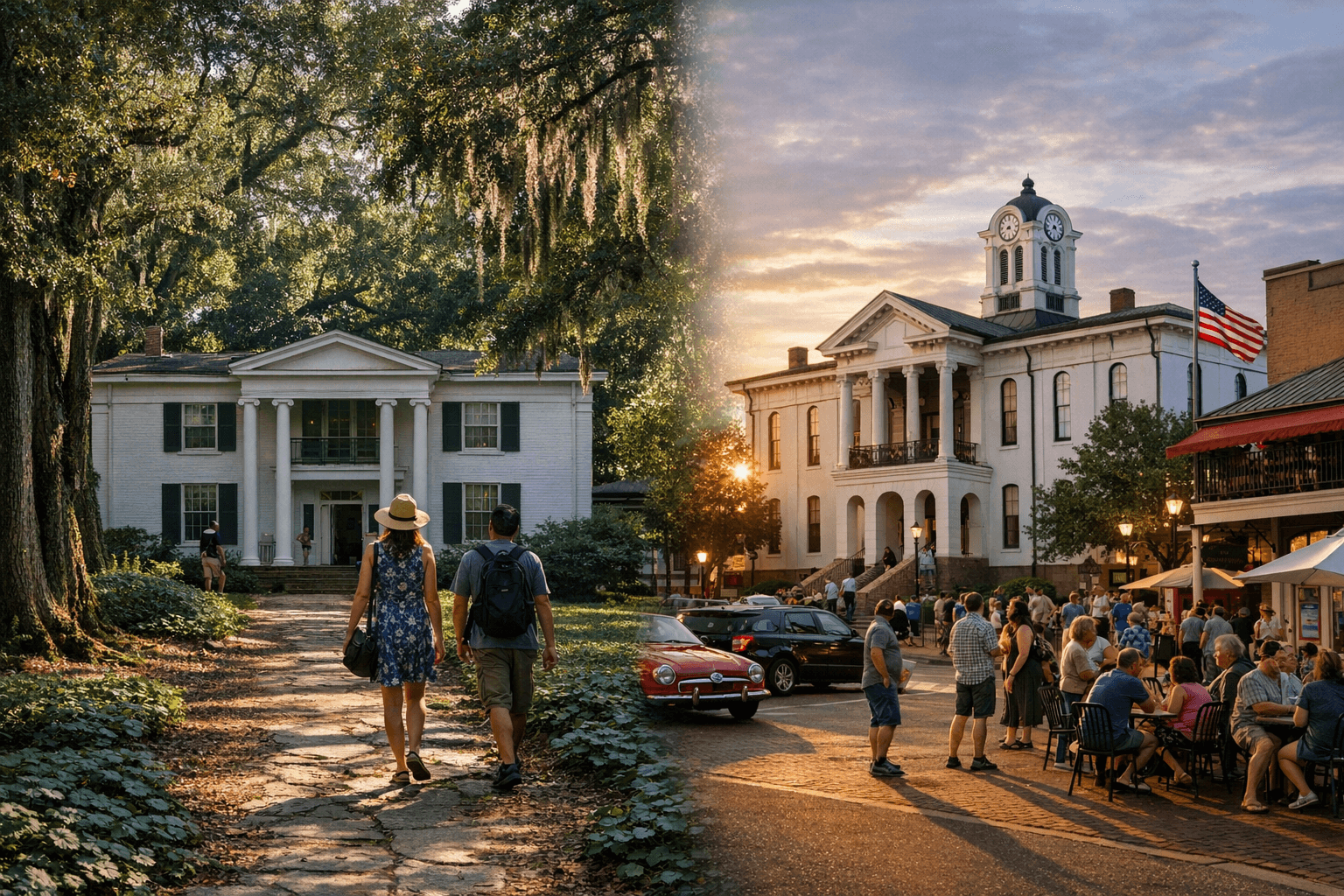
Around the Square you’ll find a range of businesses that feed both daily life and the visitor economy. Examples listed for Oxford include Chicory Market at 707 N Lamar Blvd, phone (662) 380‑5201, and Rebel Rags at 2302 Jackson Ave West, phone (662) 281‑7327. These small businesses, together with restaurants and galleries on and near the Square, make the courthouse block a one‑stop stretch for shopping, dining and culture that keeps dollars circulating locally and gives Lafayette County its distinct downtown character.
The Square is also the stage for several signature events that punctuate the year and draw regional visitors: the Oxford Blues Festival in September brings blues artists to venues around the Square; the Southern Foodways Symposium in October gathers chefs and scholars to explore Southern culinary traditions; and Holly Jolly Holidays from November through January includes the Lighting of the Square, seasonal activities like an ice‑skating rink, and visits with Santa. These events are not just entertainment — they sustain jobs in hospitality and retail, create opportunities for local vendors, and function as public rituals that strengthen civic bonds.
Planning and community considerations Both Rowan Oak and the Square are accessible by foot from the University of Mississippi campus and Ford Center area; the University Museum sits on University Avenue a few steps from the Ford Center and welcomes visitors with free admission — “Admission is free, and everyone is welcome.” The museum’s collections range from Greek and Roman antiquities and nineteenth‑century scientific instruments to Theora Hamblett paintings, Southern folk art, and American modernist works; for visitors on the Bailey Woods trail it is a natural first stop before walking to Rowan Oak.
From a public‑health and equity perspective, these sites matter. Free admission at the University Museum and admission exemptions at Rowan Oak for children and university affiliates lower financial barriers to cultural participation. The Square’s festivals and independent small businesses support local employment and community cohesion, while the trails and gardens around Rowan Oak provide outdoor recreation opportunities that contribute to physical and mental well‑being. At the same time, the winter storm Fern closure and the insistence on strict preservation rules underscore the need for careful site management and public safety planning when severe weather or deferred maintenance threatens access.
- Rowan Oak: 916 Old Taylor Rd; phone (662) 234‑3284. House admission $5 cash only; children 12 and under, UM students/faculty/staff and University Museum members free. Confirm hours and any temporary closures by phone.
- University Museum: on University Avenue near the Ford Center; free admission and family friendly.
- Square Books: 160 Courthouse Square; phone (662) 236‑2262. Expect author events and year‑round programming.
- Event months to remember: Oxford Blues Festival (September); Southern Foodways Symposium (October); Holly Jolly Holidays (November–January).
Before you go: logistics and rules to note
These twin attractions — the quiet, preserved rooms of Rowan Oak and the bustling blocks around Oxford Square — offer complementary experiences: solitary reflection in a writer’s study and communal celebration in a small city’s downtown. Together they show how Lafayette County preserves history while sustaining an active cultural life, balancing conservation rules and public access so that residents and visitors alike can use these places for storytelling, learning, and the simple health benefits of walking through green spaces and sharing public gatherings.
Sources:
Know something we missed? Have a correction or additional information?
Submit a Tip