Ørsted sells majority stake in Greater Changhua 2, Cathay pays DKK 5 billion
Ørsted agreed to sell a 55 percent stake in the 632 megawatt Greater Changhua 2 offshore wind farm in Taiwan to Cathay Life Insurance and affiliate Cathay Power for roughly DKK 5 billion, a deal that accelerates the Danish developer’s 2025 capital recycling push. The transaction strengthens Cathay’s position in Taiwan’s largest offshore wind cluster and underscores ongoing market pressures that are reshaping how developers fund costly projects.
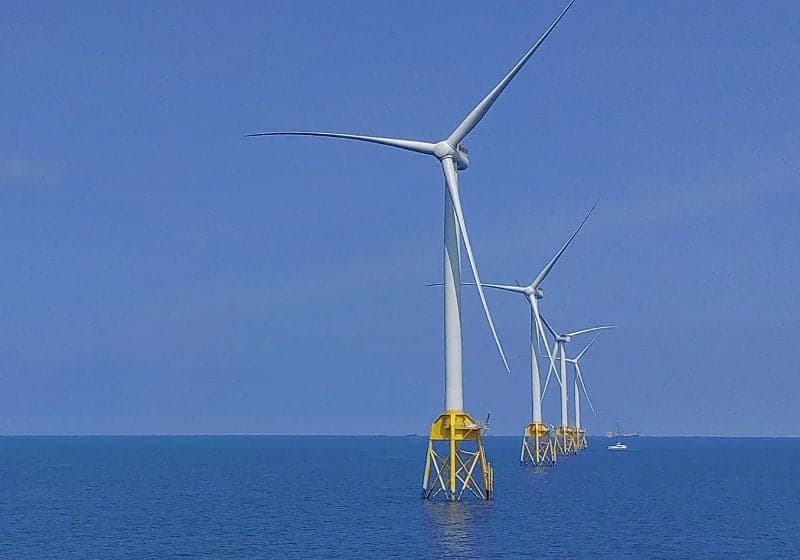
Ørsted A S on Tuesday said it would sell a 55 percent ownership stake in the Greater Changhua 2 offshore wind farm to Cathay Life Insurance and its affiliate Cathay Power for approximately DKK 5 billion, equivalent to about $788.7 million using an exchange rate of $1 to 6.3392 DKK, and roughly EUR 670 million. The asset, with an installed capacity of 632 megawatts, comprises Greater Changhua 2a, which is operational, and Greater Changhua 2b, which remains under construction.
The purchaser already co-owns Greater Changhua 1 and 4, strengthening Cathay’s footprint in Taiwan’s offshore wind sector and giving the insurer a controlling economic interest in one of the archipelago’s largest wind clusters. Ørsted, which is widely described as the world’s largest offshore wind developer, will retain a minority stake and will continue to be involved in the project’s delivery and operations during the construction phase.
Ørsted framed the sale as part of a systematic divestment programme pursued through 2025 to recycle capital back to the company. With this transaction, Ørsted has secured divestment proceeds totaling around DKK 33 billion so far this year. The company said the deal represents “another significant milestone in Ørsted’s partnership and divestment programme” and that it would “further solidifies the company’s capital structure.”
The sale follows a broader industry pattern in which large developers sell stakes in operational or near operational assets to yield-seeking investors such as insurance companies, pension funds and infrastructure managers. For developers, such disposals reduce construction and financing risk while freeing cash to pursue new projects. For institutional buyers, transactions of this size offer long duration, inflation linked cash flows that fit long term liabilities.
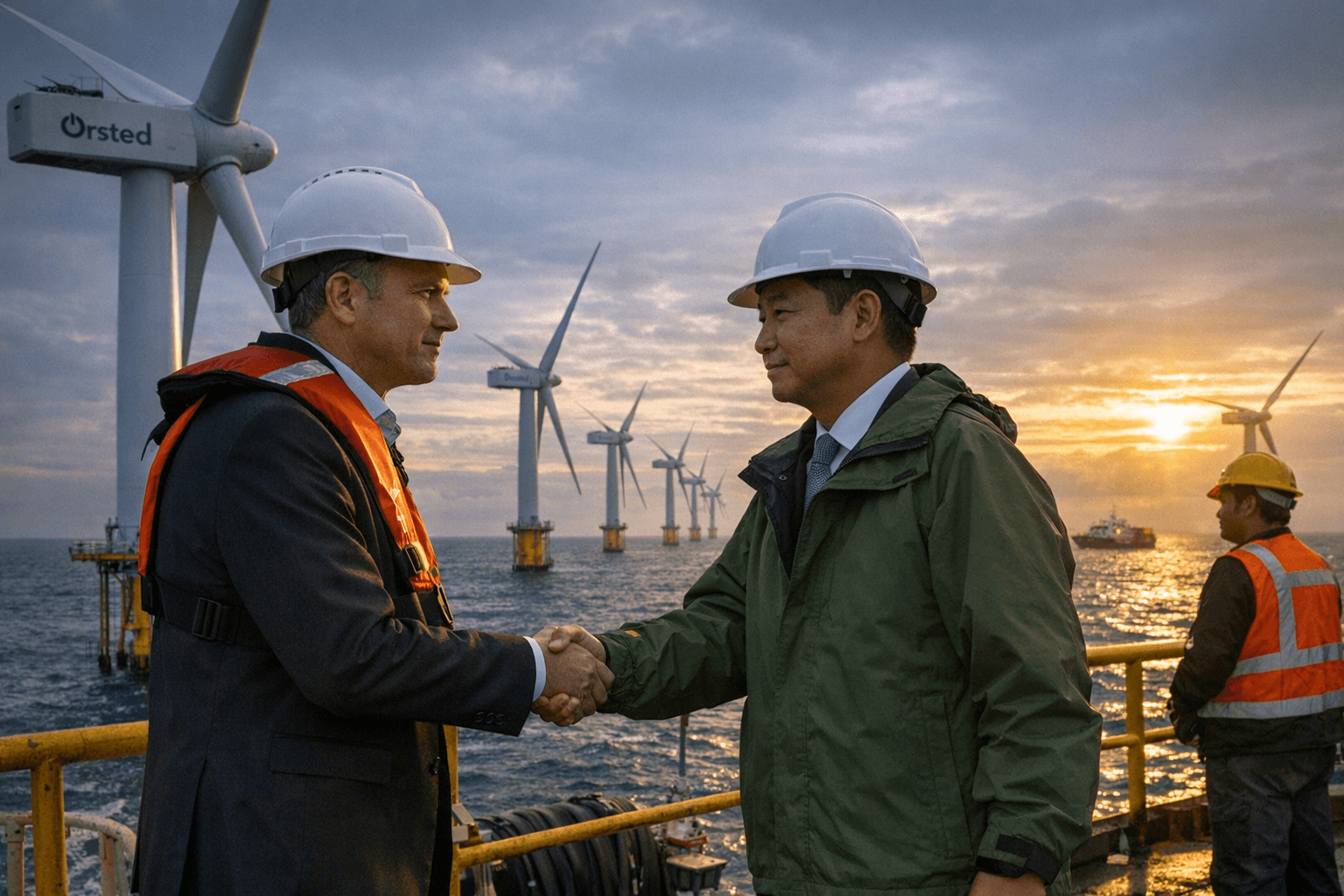
Market analysts say the timing reflects mounting financial pressure on developers. Rising supply chain costs and elevated inflation have pushed up project budgets. Political uncertainty in major markets has added to investor caution, with some observers pointing to opposition to renewable energy policies in the United States as an additional source of risk perception. Those factors have combined to make capital recycling a strategic priority for firms facing tighter margins on new builds.
In Taiwan, the Greater Changhua cluster is central to national ambitions to expand offshore wind capacity. Cathay’s increased ownership cements a local institutional investor’s role in scaling up the sector, while Ørsted’s step back from majority ownership mirrors its effort to rebalance its portfolio and shore up its balance sheet ahead of further development cycles.
The transaction does not disclose detailed payment mechanics or a closing date, and the post sale ownership split beyond the 55 percent divestment was not specified. Ørsted will continue to report on the progress of its divestment programme and on the development status of Greater Changhua 2 as the construction phase proceeds.
This article was produced by Prism’s automated news system from verified source data, official records, and press releases, then run through automated quality and moderation checks before publishing. The system is built and supervised by the people who set the standards it runs under. Read our full AI policy.
Did this article answer your question?

