Rubio courts Gulf allies as U.S. explores interim Iran deal
Rubio told Gulf allies the U.S. would not undercut their security as talks with Iran moved toward a temporary framework.
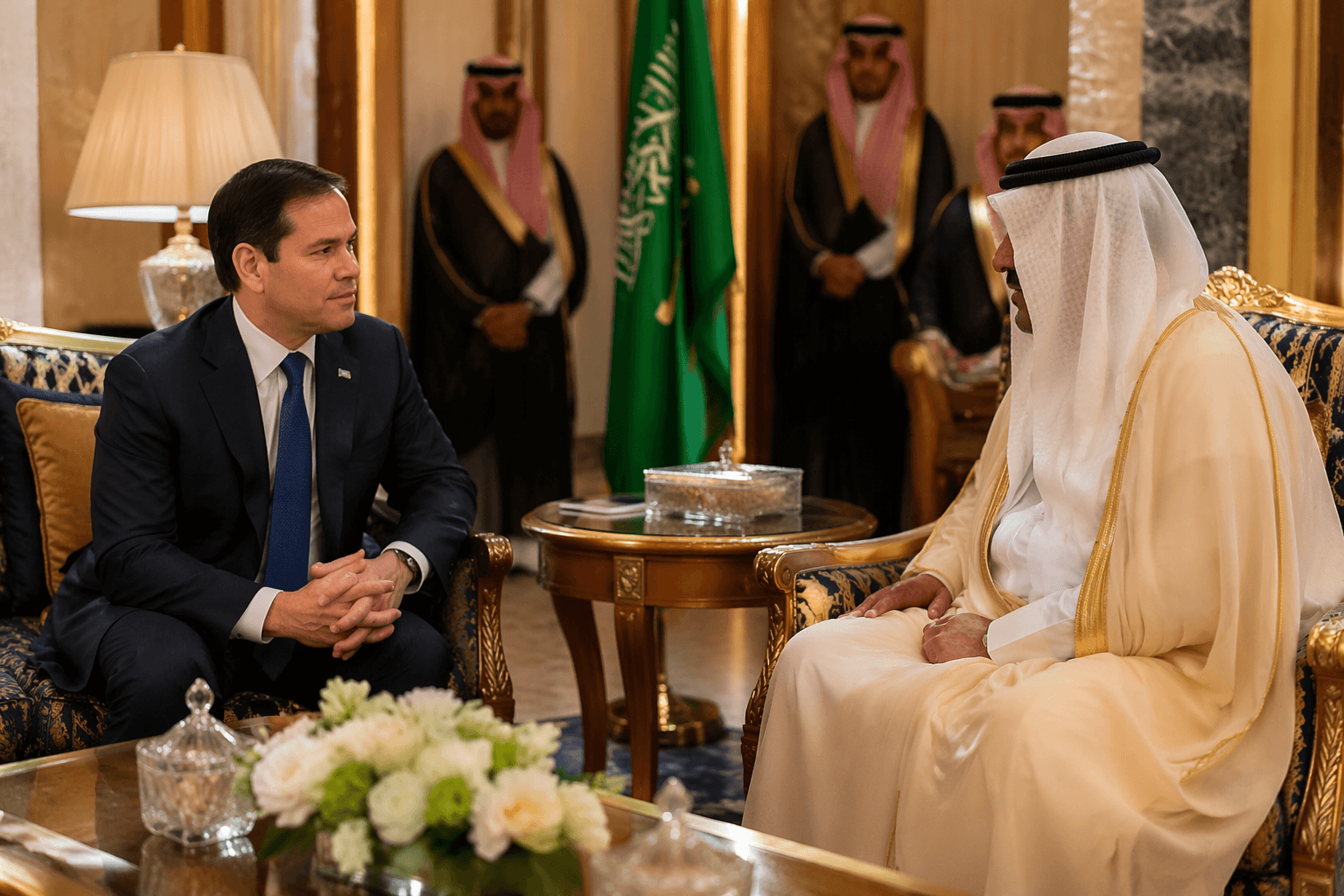
June 25 in Manama brought the United States and the Gulf Cooperation Council together for a ministerial co-chaired by Marco Rubio and Bahraini Foreign Minister Abdullatif bin Rashid Al Zayani. Rubio told Gulf allies the United States would not do anything that undermines their security as Washington pushed ahead with an interim Iran arrangement. The secretary of state spent June 23-25 in the United Arab Emirates, Kuwait and Bahrain, including a flag-raising ceremony at the U.S. embassy in Kuwait.
Rubio’s trip focused on the memorandum of understanding with Iran, full and free safe transit through the Strait of Hormuz, and regional peace and stability. In Abu Dhabi, Rubio said the U.S. would stay “completely aligned” with Gulf partners and “not going to do anything that undermines the security of our allies.” He described the Iran effort as a “work in progress” and said the issue had been going on for 47 years.
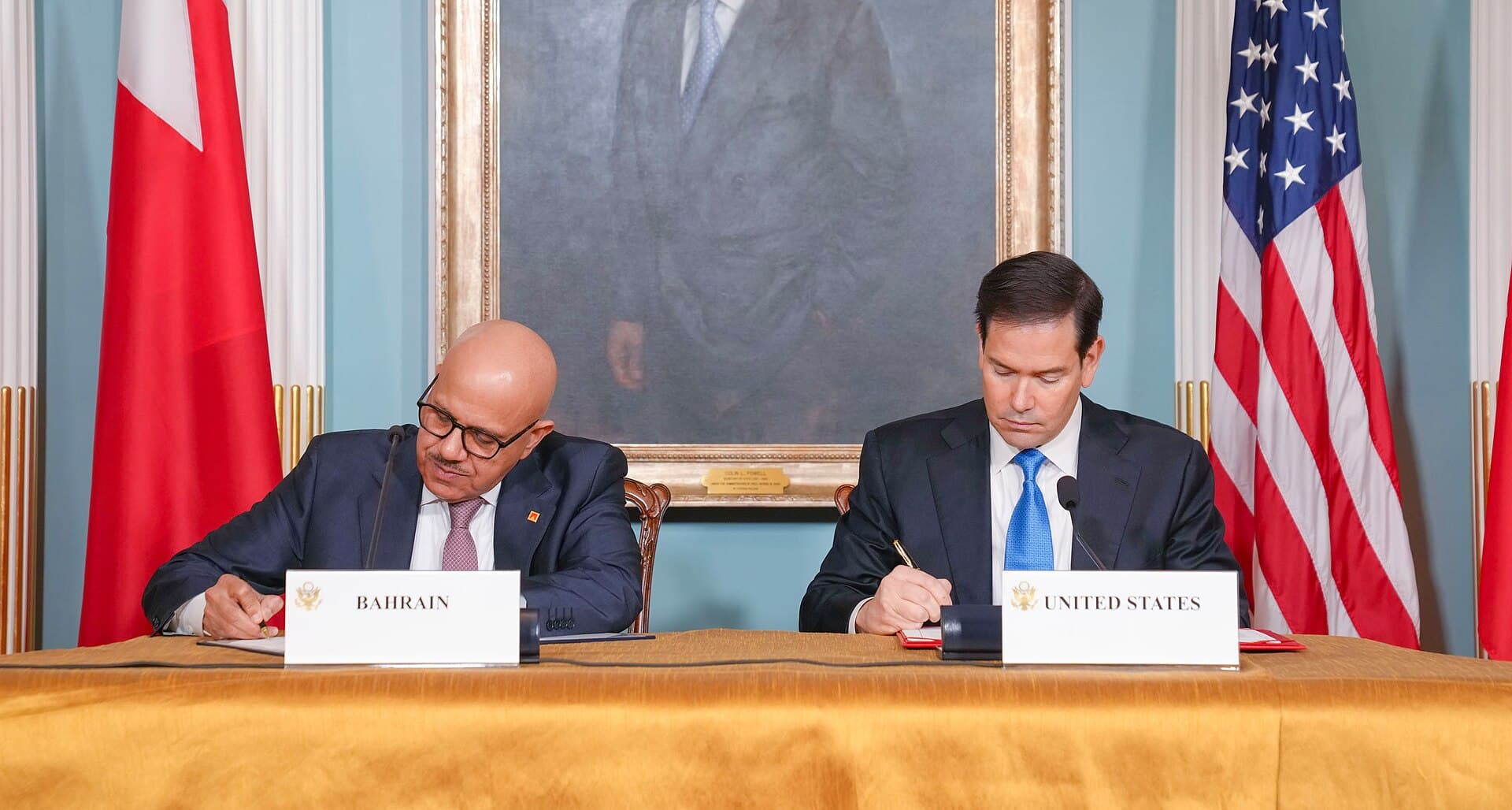
GCC foreign ministers and Secretary General Jasem Albudaiwi joined the session, which produced a joint statement welcoming the June 17 memorandum of understanding between Washington and Tehran. The ministers rejected any tolls, fees or attempts to assert control over the Strait of Hormuz. The joint statement put the number of stranded seafarers at more than 11,000 while an evacuation plan had been announced. The statement aimed at a more permanent end to hostilities and at preventing Iran from ever developing or acquiring a nuclear weapon. Lasting peace would require dealing with Iran’s ballistic missiles, drones and regional proxies, issues Gulf states see as inseparable from any nuclear track. Gulf allies were wary that the framework could be too generous, including concern over a proposed $300 billion fund. Rubio also made clear that Washington wanted an agreement but not “at any price.”
This article was produced by Prism’s automated news system from verified source data, official records, and press releases, then run through automated quality and moderation checks before publishing. The system is built and supervised by the people who set the standards it runs under. Read our full AI policy.
Know something we missed? Have a correction or additional information?
Submit a Tip