Rubio defends Iran deal as Trump signals agreement is near
Rubio said a deal could be announced within hours, but conservative allies warned that any pact leaving Iran enriched uranium or Hormuz control would be a trap.
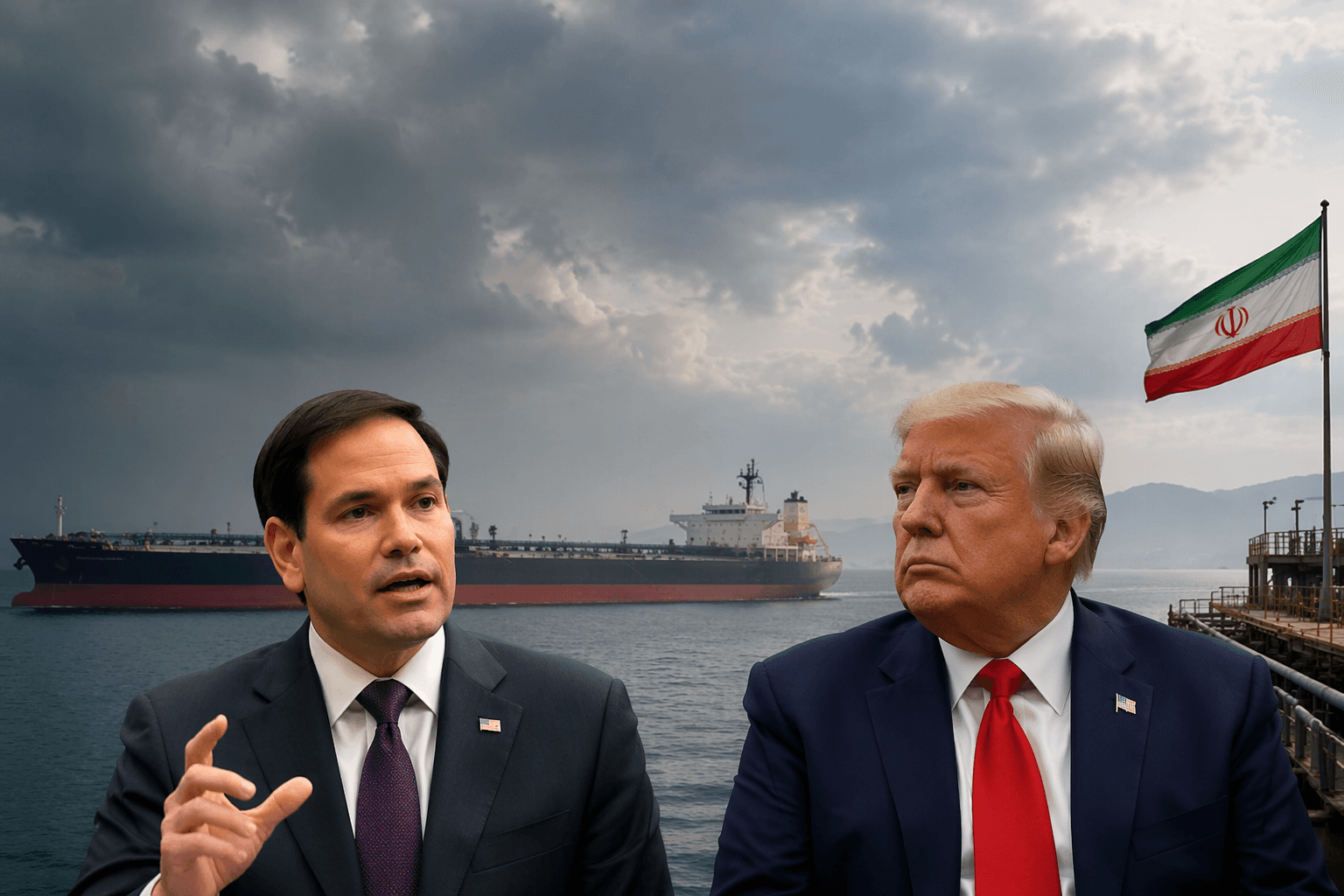
Marco Rubio tried to sell skeptical Republicans on an Iran agreement by arguing that the hardest military objectives had already been met. Speaking in New Delhi alongside Indian Foreign Minister Subrahmanyam Jaishankar, the secretary of state said he expected “some good news” within hours, after Donald Trump said negotiations were in their final stages and later called the deal “largely negotiated.”
Rubio’s case was not just about diplomacy. It was a domestic pitch to conservatives who have spent years warning against any bargain that looks too much like past nuclear talks with Iran. He said the United States wanted a process that could leave the world no longer fearing an Iranian nuclear weapon, and he described the conflict’s U.S. goals as destroying Iran’s navy, reducing its missile-launch capacity and damaging its defense-industrial base. Those objectives, Rubio said, had already been achieved.
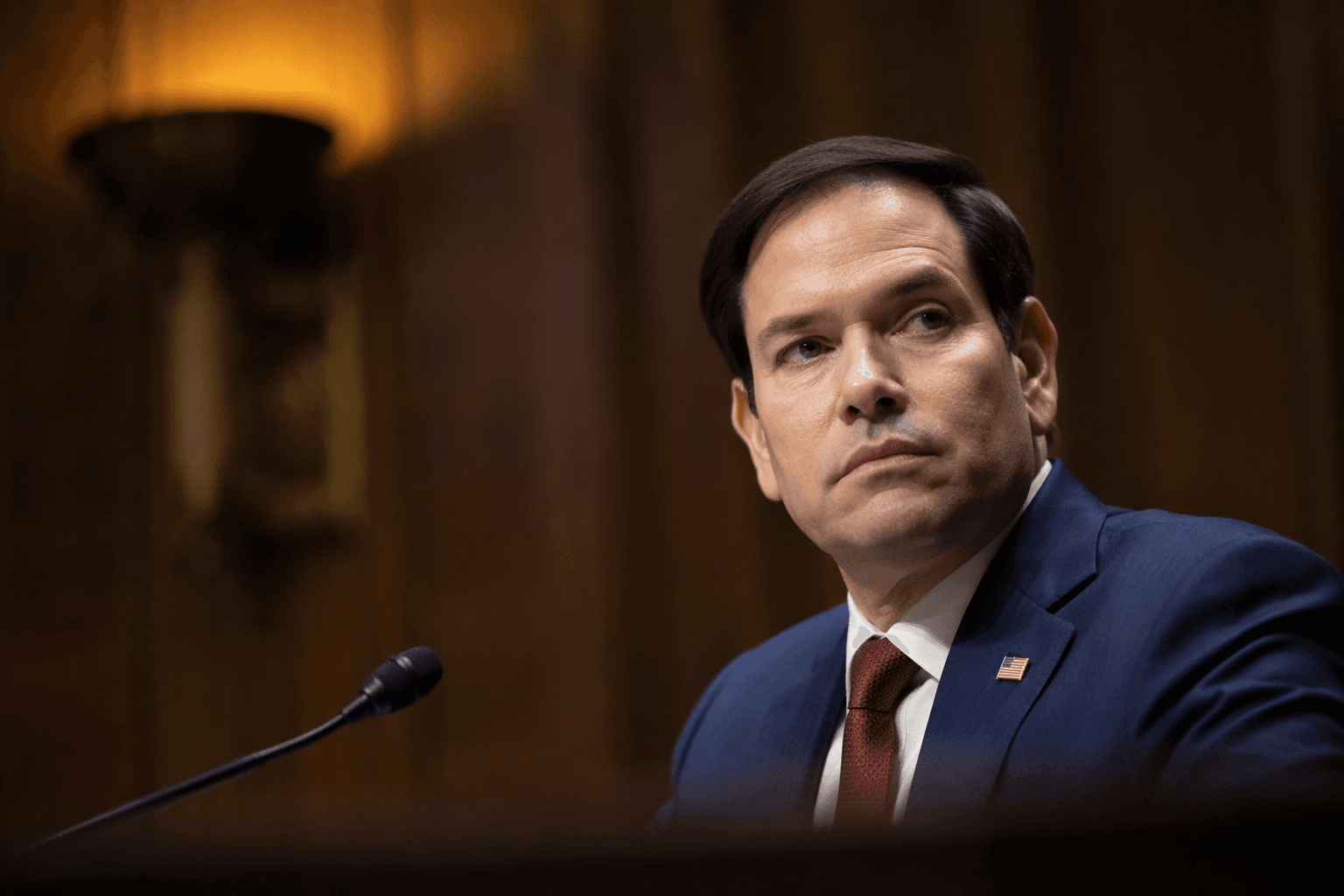
The emerging framework, as described by officials and reported details, would set up a 60-day cease-fire while nuclear talks continue. It would not immediately require Tehran to surrender all nuclear material already inside the country, the very point that has set off the sharpest resistance inside the Republican Party. Ted Cruz called the reported outcome a “disastrous mistake.” Thom Tillis said he would not support the deal as described and questioned leaving nuclear material in Iran. Lindsey Graham and Roger Wicker also criticized the terms, while former secretary of state Mike Pompeo joined the chorus of Republican skepticism.
That split exposes the fault line Rubio is trying to manage for Trump: whether this is a tougher, more limited bargain than the Obama-era agreement conservatives opposed, or just a repackaged version of it. Supporters of the emerging deal are emphasizing what they say Iran has already lost in the war, including naval assets and missile capability, and the chance to reopen the Strait of Hormuz. Critics are focusing on what Iran might keep, especially enriched uranium and leverage over the waterway that still moves a major share of global energy supplies.
Rubio said progress had been made over the previous 48 hours on an outline addressing the Strait of Hormuz, which has remained a central sticking point because its closure has disrupted shipping and energy markets. He also called attacks on commercial vessels “totally illegal.” Even so, he said more work remained and that the United States was still not at the finish line, a caution that underscored how much of the deal’s durability will depend on whether Trump can keep his own coalition from turning on it before it is signed.
Know something we missed? Have a correction or additional information?
Submit a Tip

