Rubio, Hegseth to speak at National Mall prayer jubilee
Rubio and Hegseth are set to headline a prayer jubilee on the National Mall, casting America’s 250th birthday as a rededication “One Nation under God.”

The National Mall will become a stage for prayer, praise and political symbolism as Secretary of State Marco Rubio and Defense Secretary Pete Hegseth are scheduled to appear at a daylong Christian jubilee tied to the nation’s 250th birthday.
“Rededicate 250: A National Jubilee of Prayer, Praise & Thanksgiving” is set for Sunday, May 17, 2026, in Washington, D.C., and organizers say it will run from 8:00 a.m. to 7:00 p.m. ET. The program is built around sunrise worship, prayers, music and testimony, with organizers saying thousands are expected to attend on the Mall.
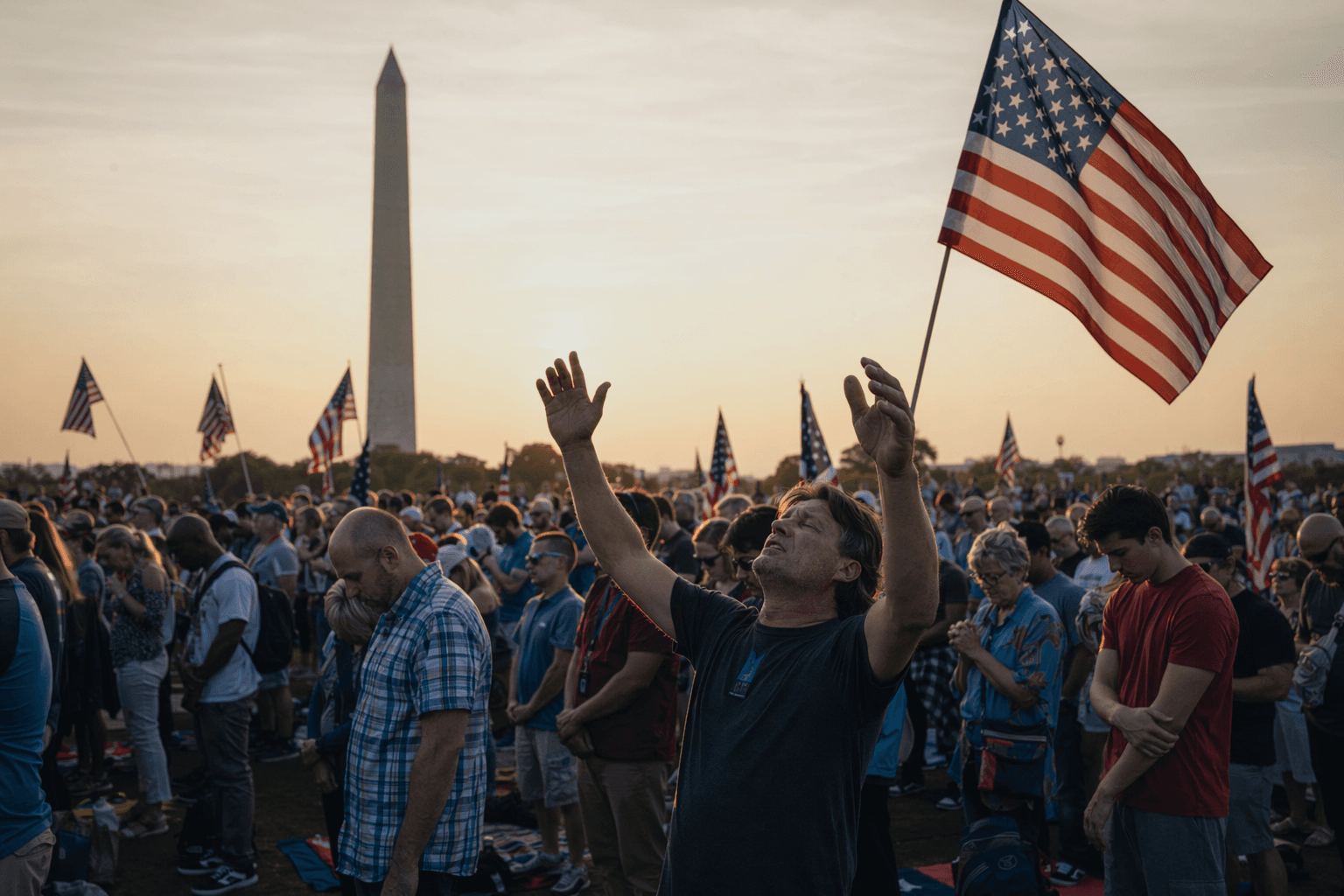
Freedom 250 is presenting the event as part of a public-private partnership with the White House and other government bodies, and as a celebration of the 250th anniversary of the signing of the Declaration of Independence. Its promotional material frames the gathering as a rededication of the country as “One Nation under God,” language that pushes the commemoration beyond patriotism and into overt religious affirmation.
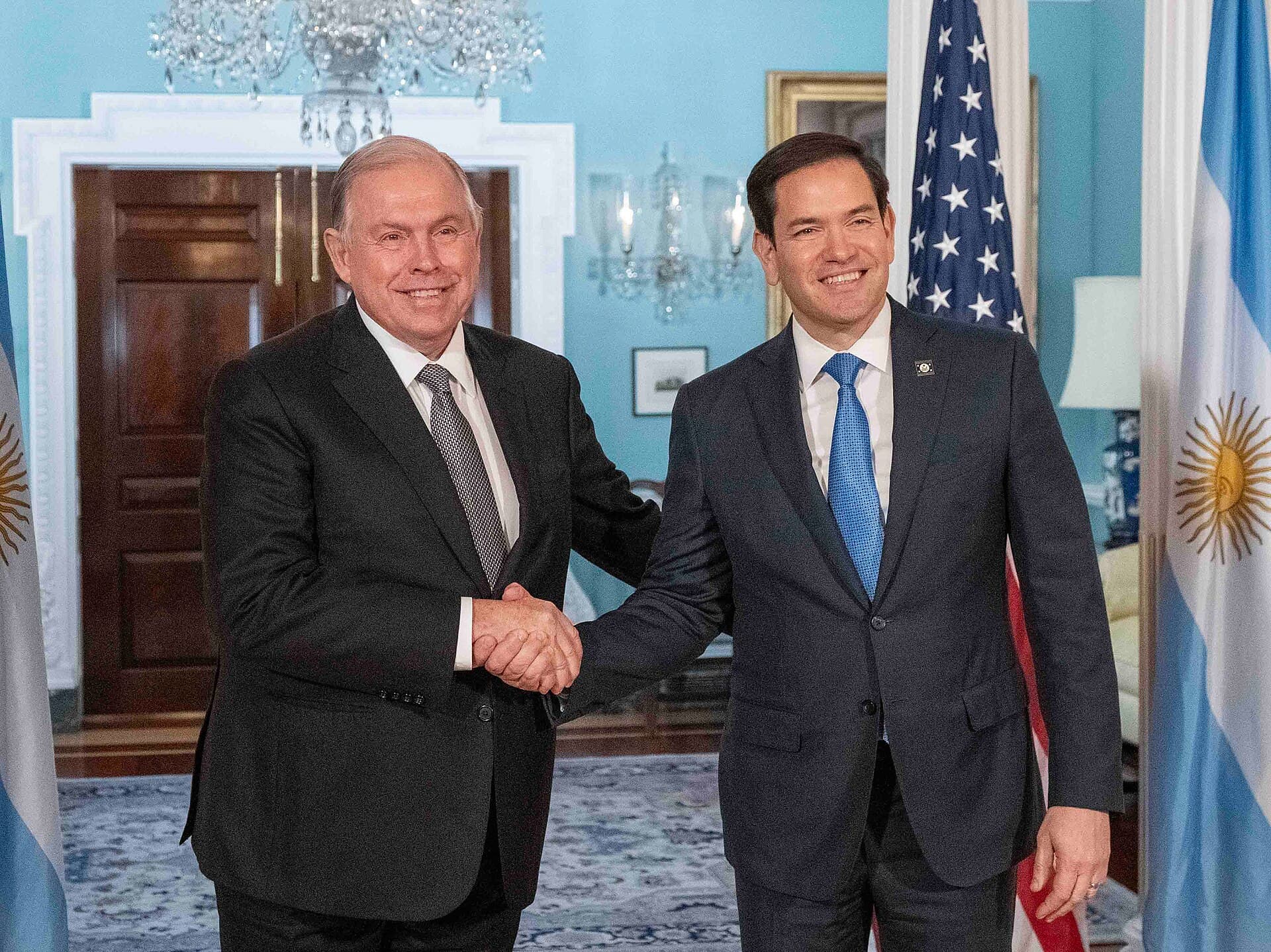
The speaker lineup puts some of the country’s highest-ranking conservatives alongside evangelical leaders. Rubio is listed to appear by video, while Hegseth is among the in-person speakers. House Speaker Mike Johnson is also scheduled to participate, along with former Housing and Urban Development Secretary Ben Carson, Chief of Protocol Monica Crowley and Medal of Honor recipient retired Maj. Gen. Patrick Brady. The roster also includes pastors Jack Graham, Jentezen Franklin, Samuel Rodriguez, Jonathan Falwell, Jonathan Pokluda, Lorenzo Sewell, Gary Hamrick and Andy Frank.
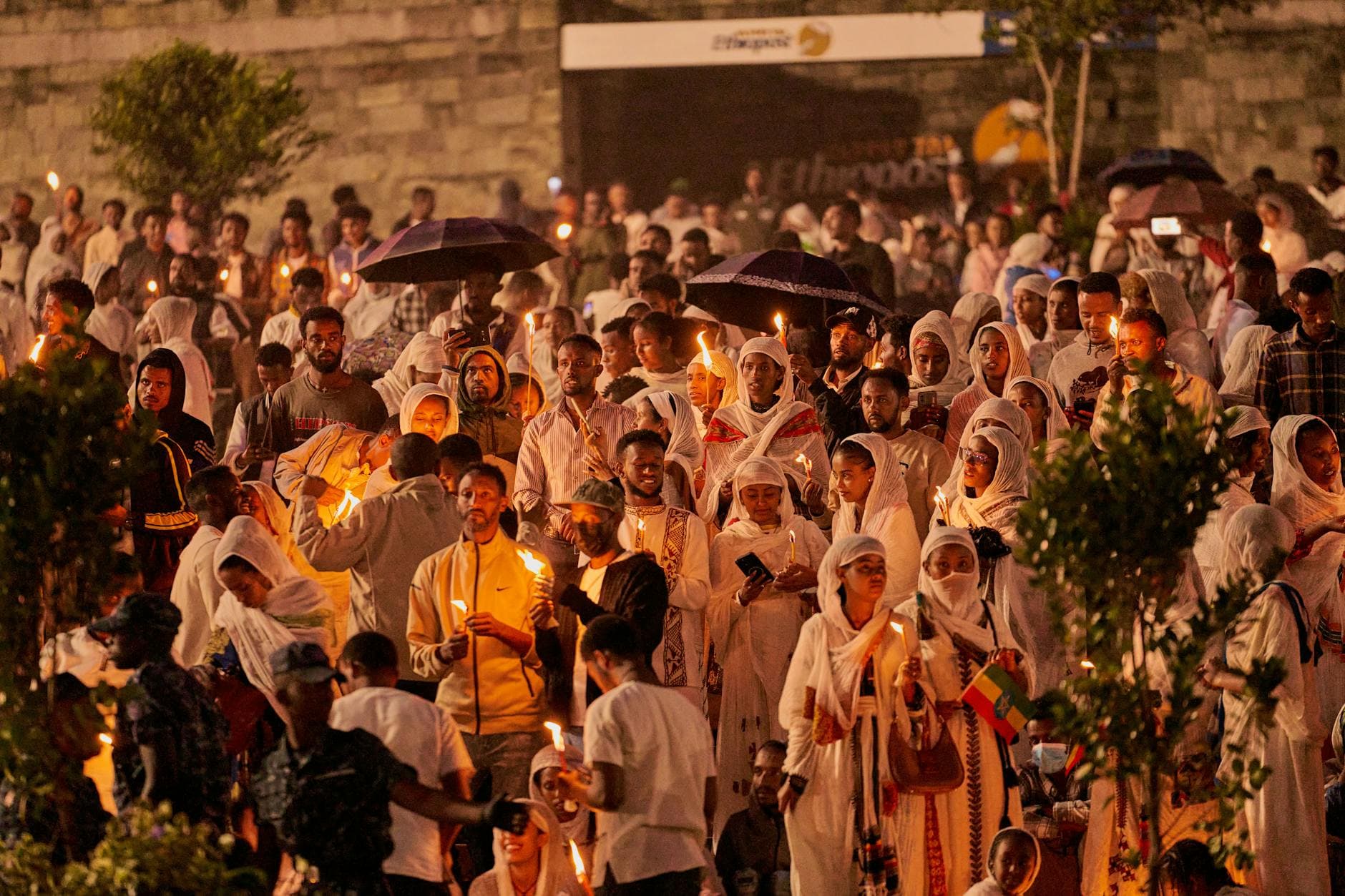
Organizers draw a direct line to George Washington’s 1776 order calling for a day of “fasting, humiliation and prayer,” casting the event as a symbolic parallel to the founding era. That comparison is central to the pitch: the semiquincentennial is being presented not just as a civic milestone, but as a moment of national rededication through explicitly Christian language and ritual.
That framing has drawn sharp criticism from some Democrats and other detractors, who say the effort amounts to a Christian nationalist rewrite of U.S. history and a possible end run around the United States Semiquincentennial Commission, which Congress established in 2016 to plan and coordinate the 250th anniversary. As the semiquincentennial approaches, the fight is no longer only over how America marks its founding, but over who gets to define the nation’s story, its symbols and the boundary between public power and religious purpose.
This article was produced by Prism’s automated news system from verified source data, official records, and press releases, then run through automated quality and moderation checks before publishing. The system is built and supervised by the people who set the standards it runs under. Read our full AI policy.
Did this article answer your question?

