Rubio outlines U.S. plan to control Venezuela’s oil and aid recovery
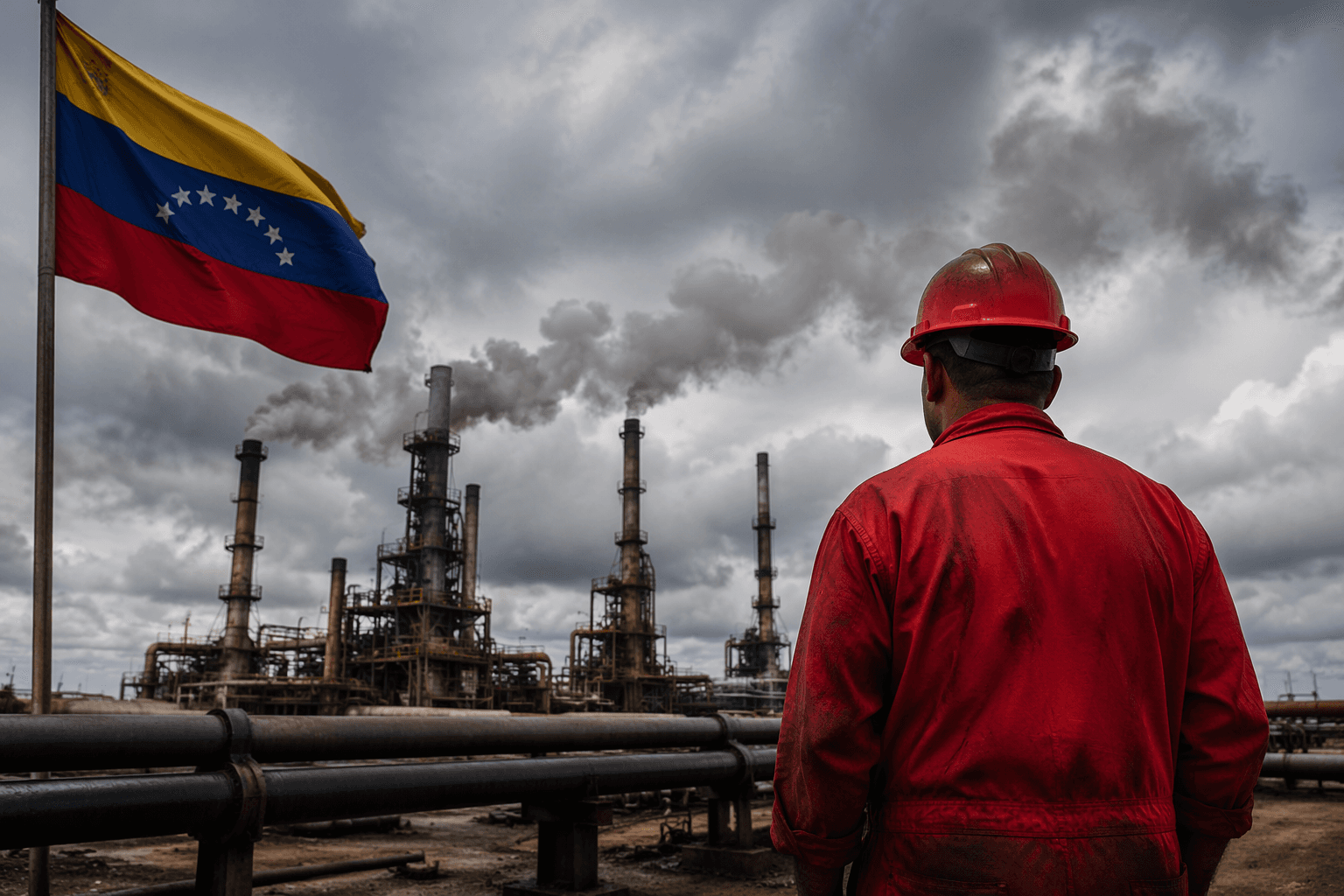
Rubio said Washington could seize 30 million to 50 million barrels of Venezuelan oil and direct the proceeds to policing and health care under U.S. oversight. The plan ties oil, aid and diplomacy to American control.
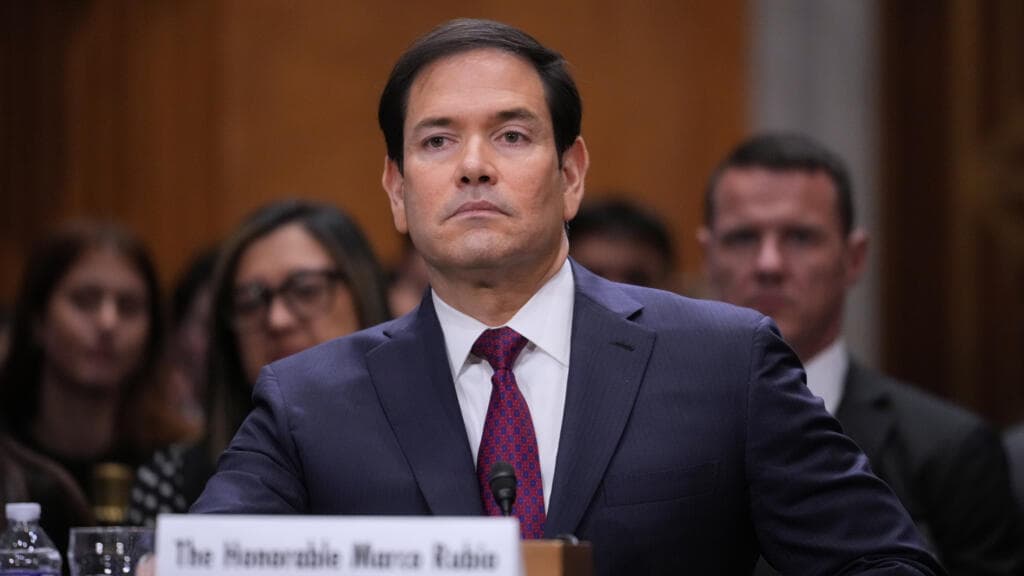
Thirty million to 50 million barrels of Venezuelan crude would be sold under a U.S.-run plan that would let Washington decide how the money is spent.
On January 7, 2026, Rubio said the Trump administration was close to executing a three-phase strategy for Venezuela, built around stabilization, recovery and transition. He said the oil would be sold at market value and that the United States would control how the proceeds were disbursed, initially for basic government services such as policing and health care. Rubio also said Washington had “tremendous leverage” because sanctioned Venezuelan oil could not move normally.
Three weeks later, Rubio told the Senate Foreign Relations Committee that Venezuela’s interim authorities would submit monthly budgets showing what they needed funded. The arrangement would place U.S. officials in the role of gatekeepers for oil revenue and government spending, even as sanctions rules continue to bar many transactions involving Petroleos de Venezuela, S.A., new debt or equity issued by the Venezuelan government, and government bonds issued before August 25, 2017.
On March 5, 2026, the United States and Venezuela’s interim authorities agreed to re-establish diplomatic and consular relations. The agreement was part of a phased process aimed at stability, economic recovery and political reconciliation. The administration has also moved on oil logistics, including tanker seizures and an oil-sales arrangement.
Human Rights Watch puts more than 20 million Venezuelans in multidimensional poverty, and roughly 8 million have left since 2014. Venezuela’s July 28, 2024 presidential election remains disputed: the National Electoral Council declared Nicolás Maduro the winner, while the opposition released tally sheets claiming a different result. Human rights groups and outside observers have also long accused Maduro’s government of repression, arbitrary arrests and abuse.
A State Department report to Congress set sanctions relief for the state mining company Minerven from October 2023 to February 2024, and tied illegal mining, smuggling and gold sales in the Orinoco Mining Arc to human-rights abuses and environmental damage. On June 24, 2026, the State Department responded after earthquakes struck north-central Venezuela.
This article was produced by Prism’s automated news system from verified source data, official records, and press releases, then run through automated quality and moderation checks before publishing. The system is built and supervised by the people who set the standards it runs under. Read our full AI policy.
Did this article answer your question?