Rubio says Iran peace talks make significant progress, not final progress
Rubio said the Iran talks advanced in 48 hours, but any deal still depends on Tehran's acceptance and compliance.

Secretary of State Marco Rubio said Sunday that peace talks with Iran had made “significant progress,” but not “final progress,” as Washington and regional partners pushed a framework that would keep international waterways open and curb Iran’s nuclear ambitions.
Speaking in New Delhi alongside Indian External Affairs Minister Subrahmanyam Jaishankar, Rubio said the U.S. had worked with Gulf regional partners over the previous 48 hours on the outline of a possible deal. He stressed that any agreement would still require “full Iranian acceptance” and then compliance, underscoring how far the diplomacy remains from a signed accord.
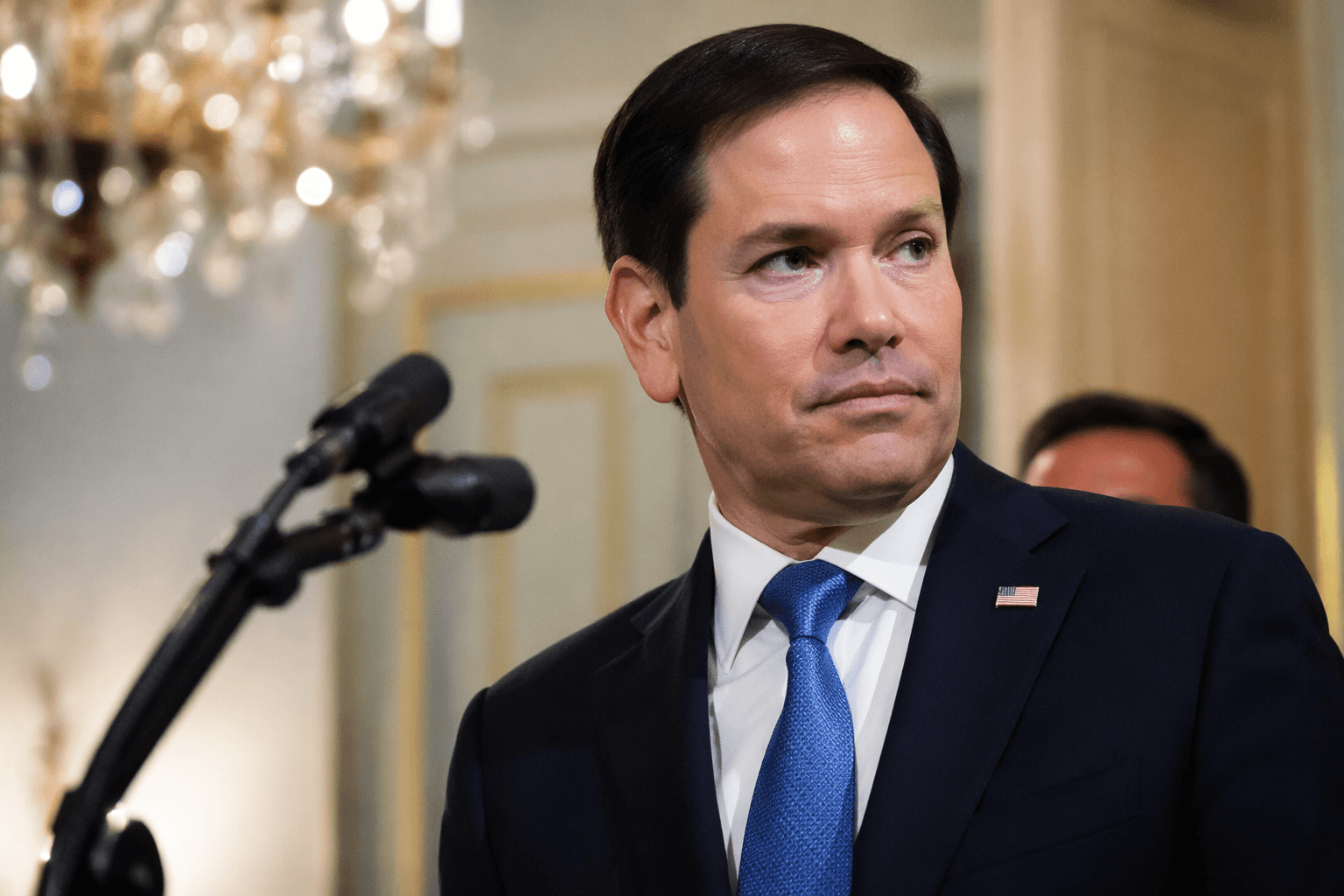
President Donald Trump had already framed the talks more optimistically, saying the deal was “largely negotiated” and that final details were being discussed. Rubio’s comments suggested the administration still sees major gaps between a political breakthrough and an enforceable agreement. Earlier in the week, Rubio had described the movement as only “slight,” while Iran’s foreign ministry spokesman said the differences were “deep and significant.”
The unresolved issues are concrete. One sticking point is control over the Strait of Hormuz, the narrow waterway through which a large share of the world’s oil and fuel shipments pass. Another is Iran’s enriched uranium, which has been at the center of the nuclear dispute. Regional discussions have also included a possible NATO role in helping police the strait after the war.
Trump said he had spoken with leaders from Saudi Arabia, Qatar, the United Arab Emirates, Egypt, Jordan, Turkey, Pakistan and Bahrain, and separately with Israel, as the administration sought backing for the emerging framework. Pakistan’s army chief, Field Marshal Asim Munir, traveled to Tehran on May 22 in a renewed mediation effort, and Qatar also sent a delegation to the Iranian capital.
The diplomacy follows weeks of conflict and fragile truces. The Associated Press reported that Trump announced “major combat operations” against Iran on Feb. 28, 2026, after joint U.S.-Israeli strikes. A mid-April ceasefire was followed by talks in Pakistan that failed to produce a peace deal.
Rubio said additional developments could come later Sunday and expressed cautious optimism that the world might get “some good news” within hours. For now, the gap between diplomatic language and a real agreement still runs through Tehran, where acceptance, verification and compliance remain the decisive hurdles.
Know something we missed? Have a correction or additional information?
Submit a Tip