Rubio says Iran World Cup players welcome, officials with military ties barred
The U.S. said Iran’s players can come to the World Cup, but anyone tied to the IRGC will be kept out, sharpening the line between sport and state power.
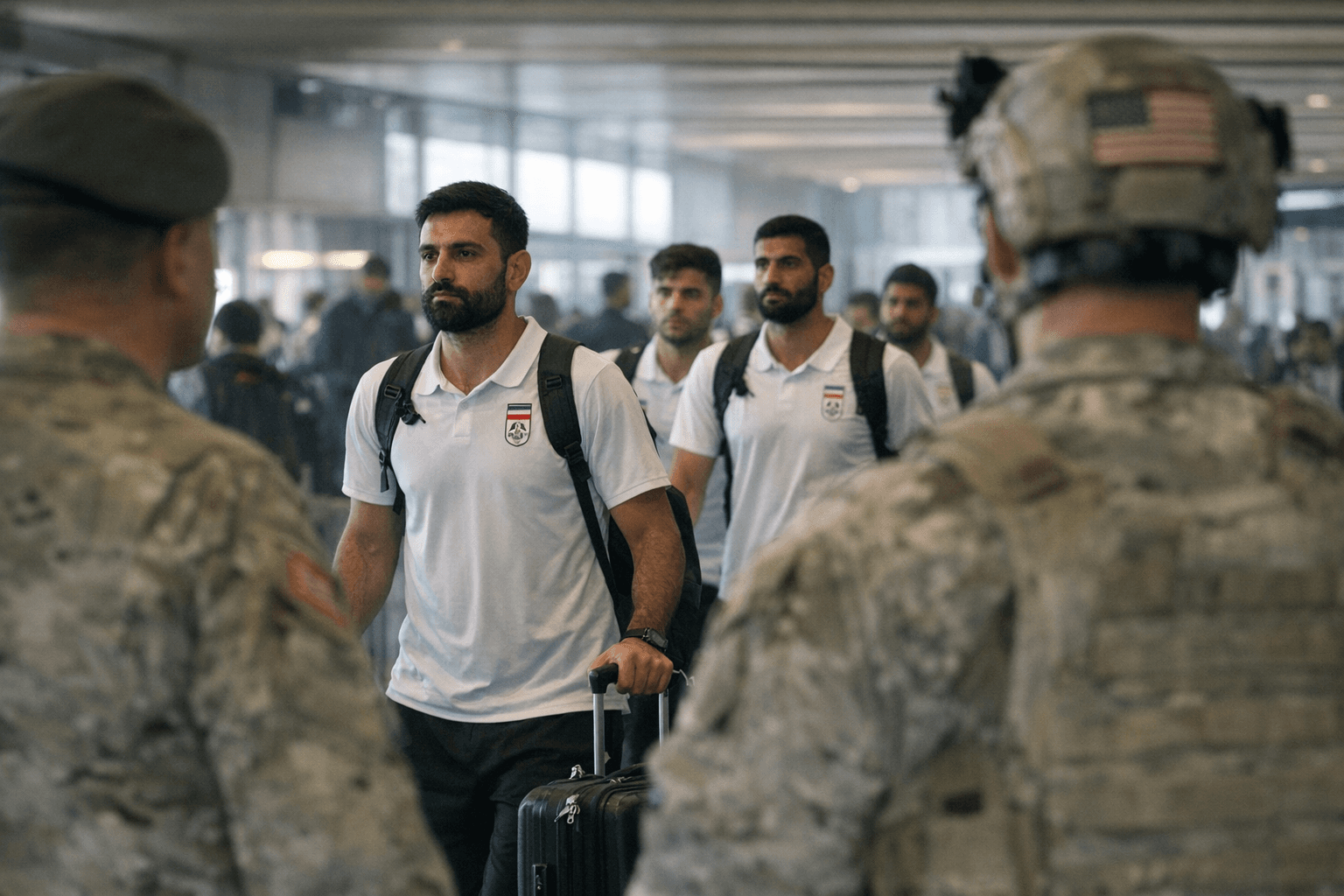
The U.S. is drawing a hard line around Iran’s World Cup delegation: the players may come, but anyone accompanying them with ties to the Islamic Revolutionary Guard Corps will be blocked.
Marco Rubio said in the Oval Office on April 23 that Washington had no objection to the Iranian national football team taking part in the 2026 FIFA World Cup, but that officials or entourage members linked to the IRGC would be denied entry. Donald Trump also said his administration would not want to affect the athletes, signaling a deliberate split between Iran’s players and the apparatus around them.
The distinction matters because the World Cup opens June 11 and will be staged across the United States, Mexico and Canada in a record 48-team tournament. U.S. officials are trying to avoid turning the event into a broader confrontation with Iran while still using visa screening to target people the administration believes may be connected to a body Washington designates as a terrorist organization.
Iran’s participation had already been clouded by earlier U.S. visa denials that kept members of its World Cup delegation from attending the draw in Washington, D.C. The dispute fueled speculation over whether political tensions could spill onto soccer’s biggest stage. Paolo Zampolli, a Trump envoy, reportedly went so far as to suggest Italy should replace Iran, adding to the uncertainty around one of the tournament’s qualified teams.
FIFA president Gianni Infantino had sought to calm that uncertainty, saying Iran would be at the tournament and treating the team’s participation as a certainty. Iran’s government has said its men’s national team is preparing for a “proud and successful participation” at the World Cup, underscoring how deeply the issue has become tied to national image as well as sport.
The policy line emerging from Washington could shape how other politically sensitive delegations are handled in the months ahead. By welcoming the athletes while scrutinizing the people around them, the administration is setting a precedent that separates competition from security screening, even as the World Cup’s expanded format brings more governments, more officials and more chances for diplomacy and conflict to collide on American soil.
This article was produced by Prism’s automated news system from verified source data, official records, and press releases, then run through automated quality and moderation checks before publishing. The system is built and supervised by the people who set the standards it runs under. Read our full AI policy.
Did this article answer your question?
.jpg&w=1920&q=75)