Rubio says U.S. ready for Iran talks if Hormuz reopens
Rubio said Washington was ready to talk if Hormuz reopened, but Iran’s uranium stockpile and shipping control still separated a pause from a lasting deal.

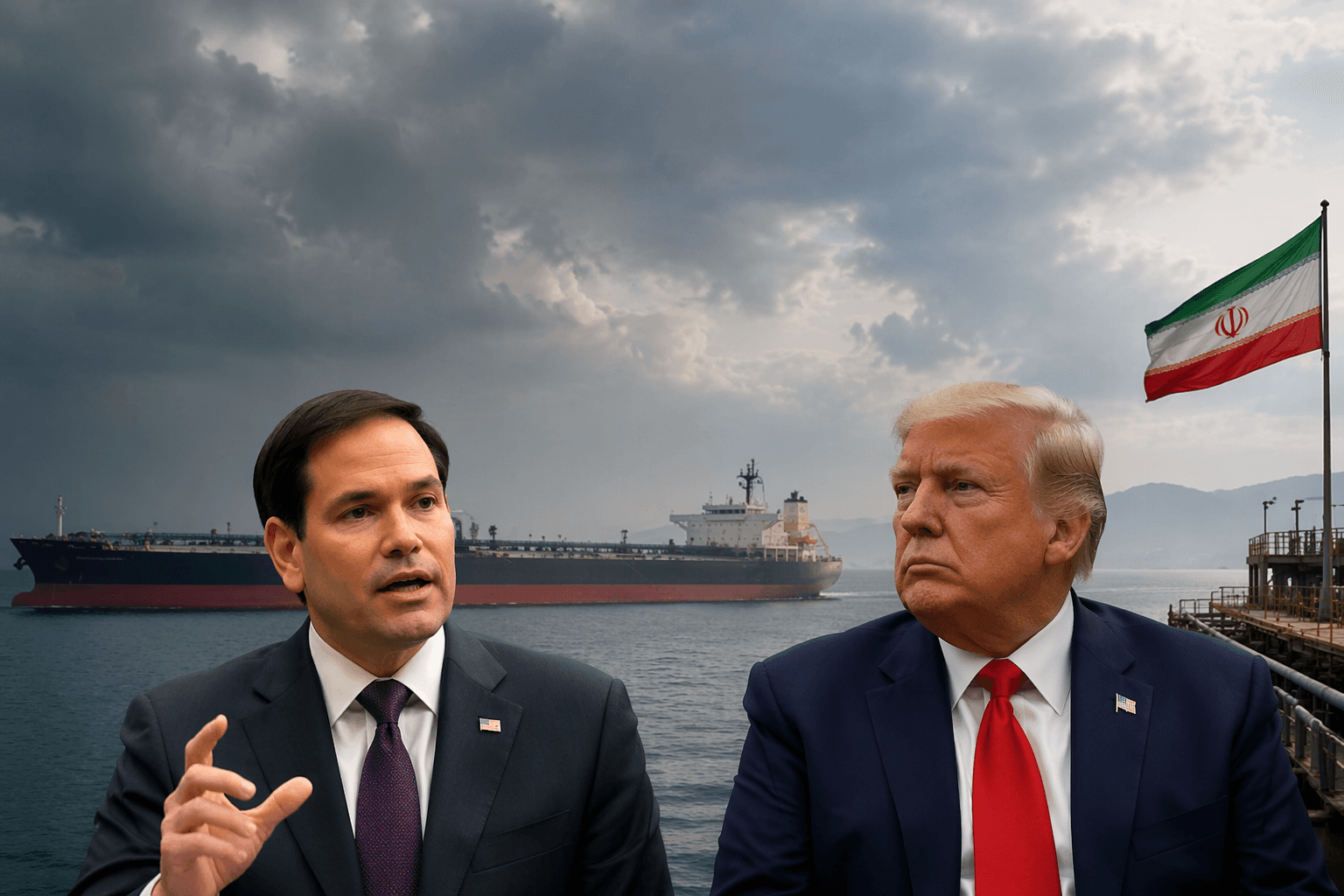
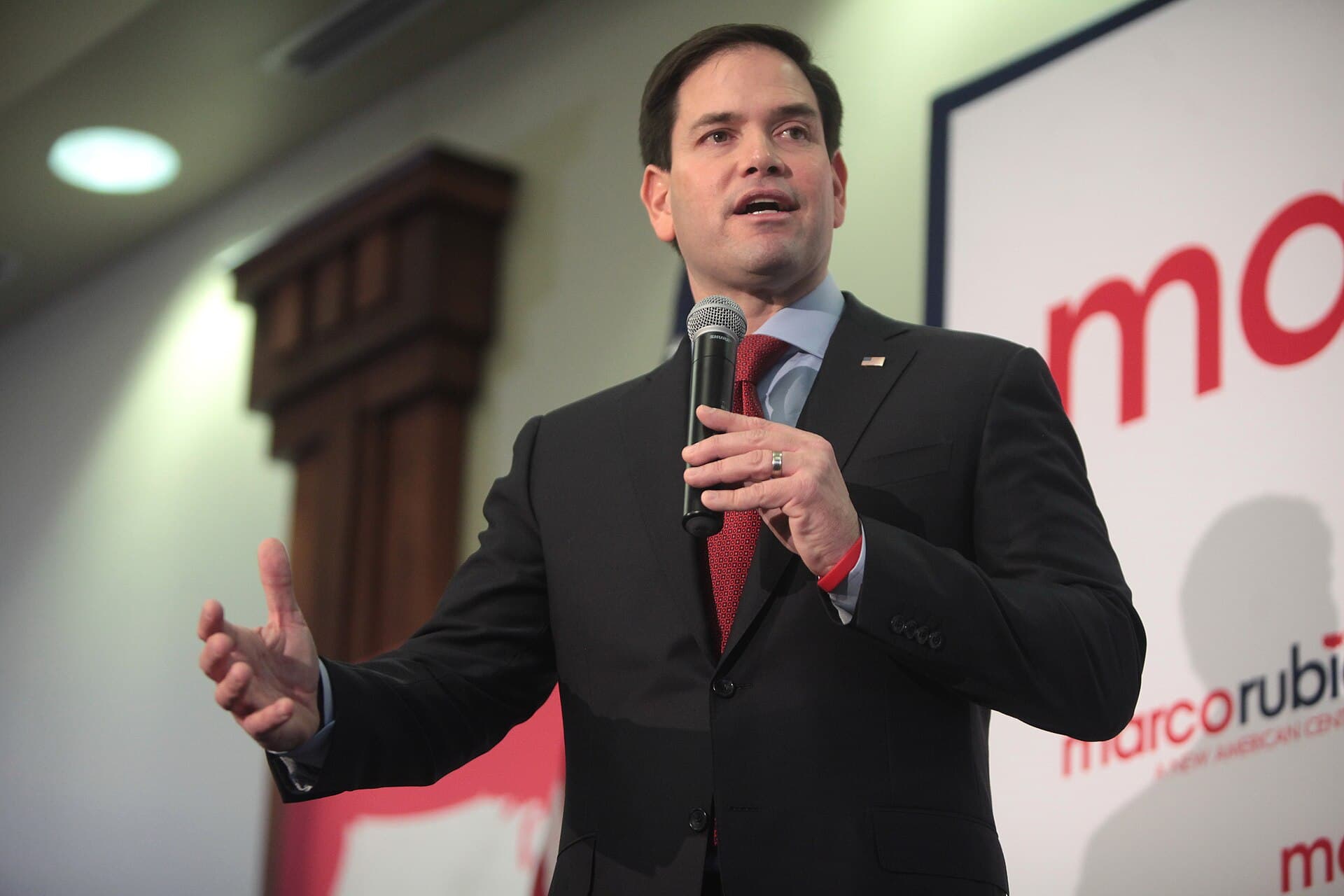
The United States was prepared to open talks with Iran if Tehran reopened the Strait of Hormuz, but the hardest questions in the deal remained unresolved. Marco Rubio said there may be “some good news” on the chokepoint, yet he stressed that it was not final news, a reminder that the breakthrough President Donald Trump described as “largely negotiated” still depended on details that had not been locked down.
Those details center on Iran’s nuclear program. Washington wants Iran’s highly enriched uranium turned over and does not accept any arrangement that leaves the material under Iranian control. That demand runs directly into Tehran’s position. A directive from Iran’s Supreme Leader said the country’s near-weapons-grade uranium should not be sent abroad, hardening the gap on one of the most important pieces of any agreement. A senior Iranian source said no deal had been reached yet, although the gaps had narrowed.
The second major dispute is the Strait of Hormuz itself. Rubio said the United States wanted no Iranian “toll” or fee system on shipping through the strait, calling the idea unacceptable. That matters because Hormuz is one of the world’s most important energy chokepoints, and even short disruptions can push up shipping costs and unsettle oil and fuel markets across the Gulf, India and beyond. U.S. and regional officials, along with shipping-industry sources and analysts, have warned that any tolling system or prolonged restrictions would be hard to enforce and would create fresh risks for mariners and commercial traffic.
The negotiations are unfolding against the backdrop of war. The United States and Israel launched a bombing campaign in Iran on February 28, 2026, aimed at Iran’s ballistic missile and nuclear programs. Since then, diplomacy has been tied directly to the broader conflict: the talks are not just about whether Iran pauses escalation, but whether any pause can be turned into a durable agreement that limits enrichment, resolves the uranium stockpile and restores predictable access through Hormuz.
Without answers on those core questions, a diplomatic opening could quickly become another temporary pause. With them, the talks could begin to lower the risk of a wider regional shock that would reverberate far beyond Washington and Tehran.
Know something we missed? Have a correction or additional information?
Submit a Tip