Rubio says U.S. seeks third countries for stranded Afghan allies
Rubio said the U.S. is courting at least five countries to take in more than 1,100 Afghan allies stranded in Qatar, as Democrats questioned why they are not being resettled in America.

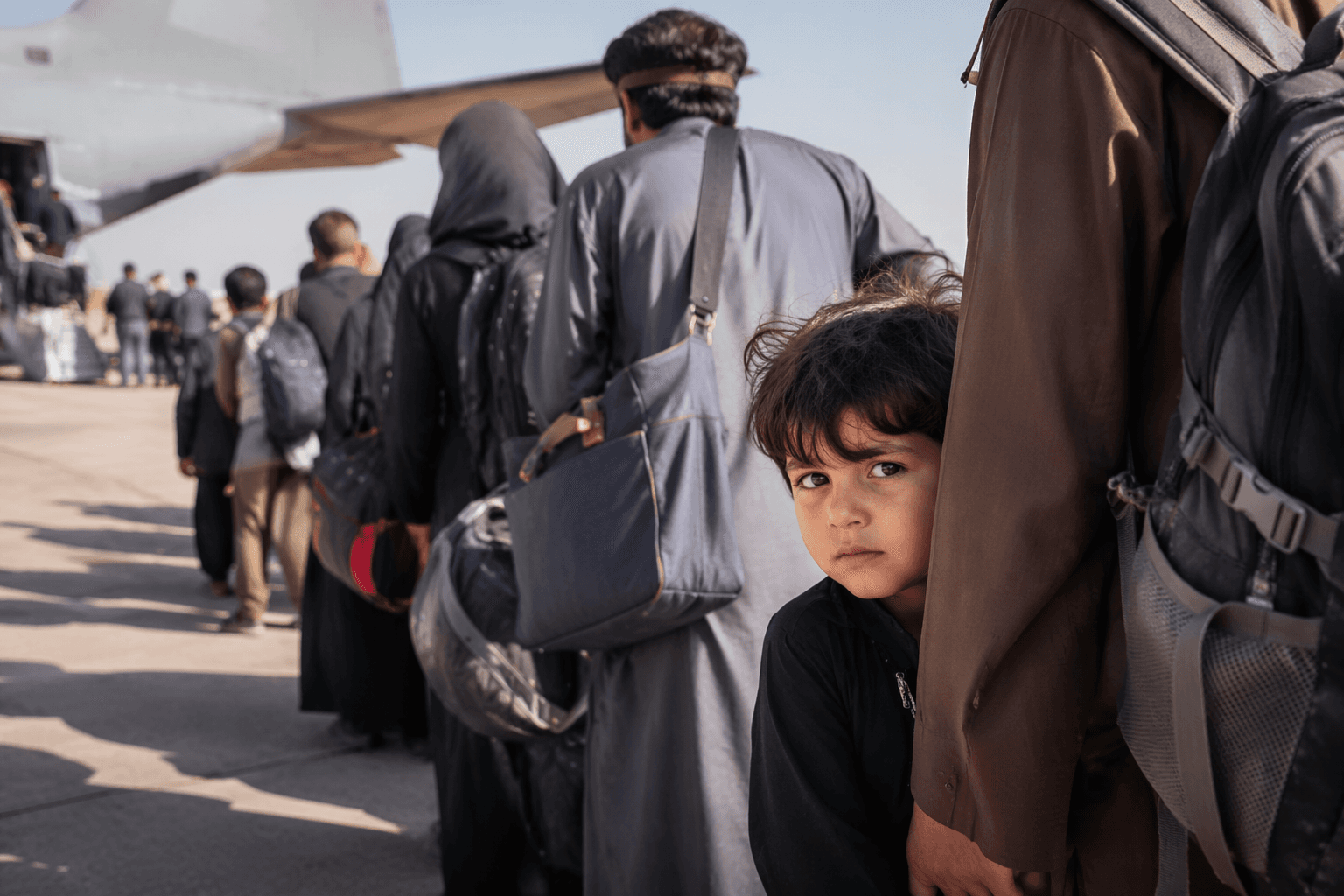
Marco Rubio said the United States was still trying to find third countries for more than 1,100 Afghans who helped the U.S. war effort and have been stuck at Camp As Sayliyah in Qatar since at least early 2025. Speaking to lawmakers in Washington on Tuesday, the secretary of state said the Trump administration had discussed the group with at least five countries that were open to taking them, while officials continued daily outreach to partners abroad.
The Afghans in limbo include interpreters, people who worked alongside American special operations forces and immediate family members of U.S. service members. Rubio said the administration did not want to force them back to Afghanistan, but he also said a directive now bars Afghans from entering the United States. That leaves the administration trying to thread a narrow path: keep wartime allies out of Afghanistan without bringing them to American soil.
Democrats pressed Rubio on why the administration has not followed through on earlier promises to resettle those allies in the United States, especially after Donald Trump’s January 2025 executive orders shut down many asylum and refugee pathways. Lawmakers and advocates argued that sending the group to third countries would still leave them disconnected from the protection they were promised and vulnerable to pressure from wherever they are sent. One House Democrat warned that the Democratic Republic of Congo, which Reuters reported in April 2026 was among the countries under discussion, would be a dangerous destination for Afghans who had supported America’s war effort.
The policy tension is sharper because the administration has defended admitting white South Africans at the same time it has restricted Afghan arrivals. The Trump administration’s fiscal 2026 refugee proposal set the annual ceiling at 7,500 and said those admissions would primarily be Afrikaners from South Africa under Executive Order 14204. The State Department said the first group of Afrikaner refugees arrived in the United States on May 12, 2025.

That contrast goes to the core of the White House’s current refugee policy: the State Department says U.S. law sets no minimum or fixed maximum number of refugees, but annual ceilings are established by presidential determination. In practice, refugee processing usually runs through the U.S. Refugee Admissions Program, with overseas centers receiving and processing referrals before resettlement. For the Afghans still marooned in Qatar, the question is no longer whether they helped the United States. It is whether that help now counts for anything in the country’s entry decisions.
This article was produced by Prism’s automated news system from verified source data, official records, and press releases, then run through automated quality and moderation checks before publishing. The system is built and supervised by the people who set the standards it runs under. Read our full AI policy.
Know something we missed? Have a correction or additional information?
Submit a Tip