Rubio says U.S. Taiwan policy unchanged after Trump-Xi summit concerns
Rubio told senators there was no change in U.S. Taiwan policy, even as a $14 billion arms package stayed under review and summit fallout kept allies on edge.

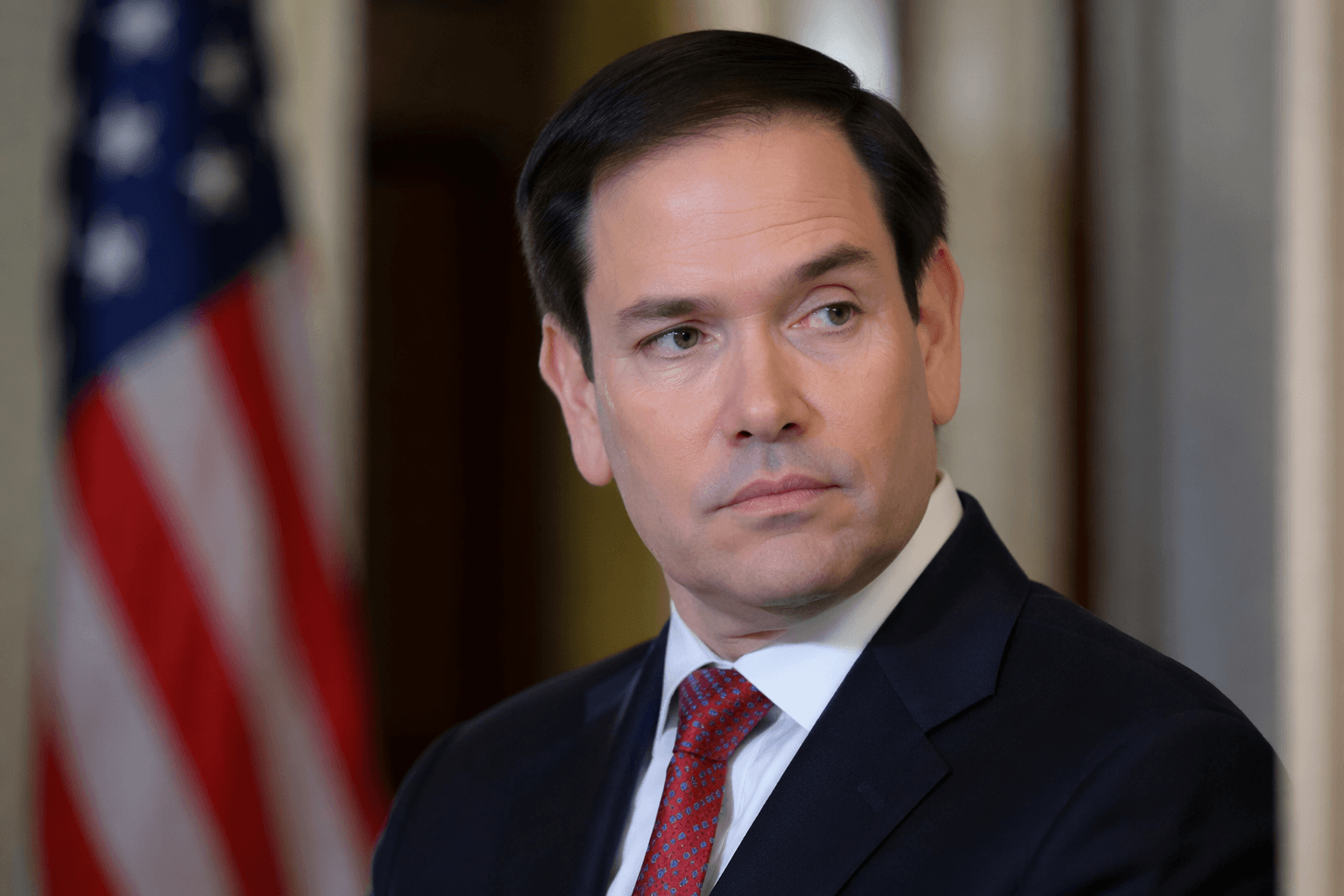
Marco Rubio used a Senate Foreign Relations Committee hearing on President Donald Trump’s FY2027 State Department budget request to deliver a blunt message: U.S. policy on Taiwan had not changed. The secretary said Washington still wanted the status quo preserved, even as questions lingered after the Trump-Xi summit in Beijing and a major arms sale to Taipei remained under review.
The timing mattered. The hearing was not a loose exchange of views but part of an official budget review, where foreign-policy priorities and resources are put under the microscope. Rubio’s remarks were designed to steady a policy area that has long been one of the sharpest fault lines in U.S.-China relations, where even a small shift in language can unsettle Taipei, Washington, and American allies watching for signs of drift.
The State Department says U.S. policy toward Taiwan is guided by the Taiwan Relations Act, the three U.S.-China joint communiqués and the Six Assurances, and that the basic approach has stayed consistent across decades and administrations. It also says the United States opposes unilateral changes to the status quo across the Taiwan Strait, including by force. Rubio’s testimony fit squarely inside that framework, but it also served as a public reaffirmation at a moment when officials in Taipei were looking for exactly that kind of clarity.
The pressure did not come from Taiwan alone. Just weeks before the hearing, a bipartisan group of 12 senators led by Tim Kaine and John Curtis warned Rubio not to make unilateral changes to Taiwan policy while Trump met Xi. The senators said the Taiwan Relations Act has been the cornerstone of U.S.-Taiwan ties for nearly five decades and requires the United States to provide the defense articles and services Taiwan needs for self-defense. That congressional warning gave Rubio’s appearance an added institutional edge: it was as much about reassuring lawmakers as it was about signaling to Beijing.
Rubio also tied his comments to concrete military policy. He said a pending arms sale to Taiwan remained under review, after earlier U.S. approval of an $11.1 billion package in December. The pending sale, reported at about $14 billion, is one of the clearest tests of how far Washington is willing to back Taiwan’s self-defense. Beijing has long treated Taiwan as the biggest point of risk in U.S.-China relations, which is why repeated American assurances carry such weight. Rubio’s message was not a new policy shift. It was a deliberate restatement meant to show continuity, constrain misreading and tell every side that Washington was not moving.
This article was produced by Prism’s automated news system from verified source data, official records, and press releases, then run through automated quality and moderation checks before publishing. The system is built and supervised by the people who set the standards it runs under. Read our full AI policy.
Did this article answer your question?

