Rubio visits India to ease tensions over Trump’s China tilt
Rubio arrived in India to steady a partnership rattled by tariffs, Pakistan outreach, and Trump’s warmer posture toward Beijing.
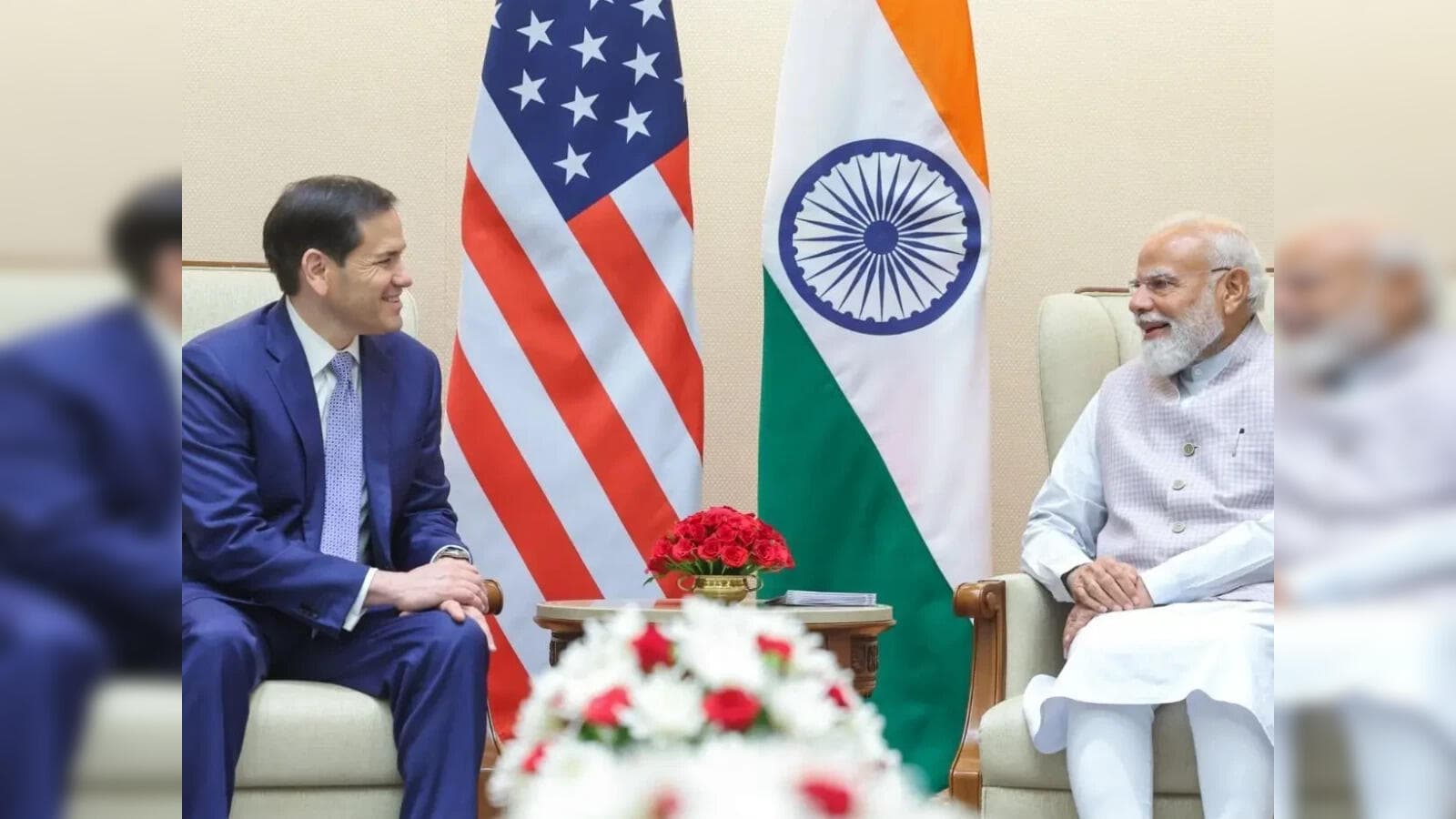
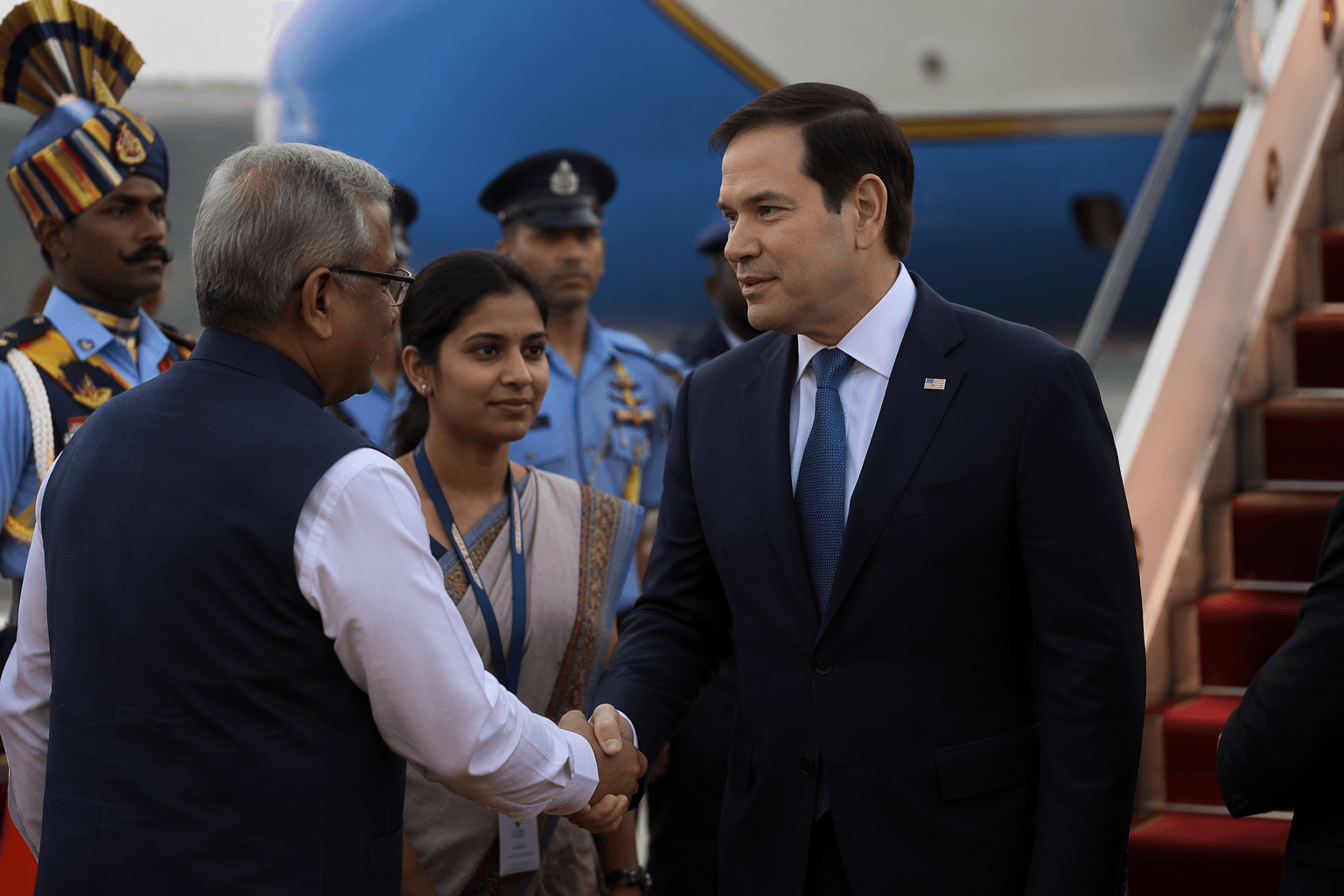
Marco Rubio landed in Delhi with a double mandate: calm Indian anger over President Donald Trump’s trade pressure and convince Narendra Modi that Washington is not trading away India’s strategic value in a rush toward Beijing. The secretary of state’s first visit to India runs through May 26 and includes Kolkata, New Delhi, Agra and Jaipur, capped by the Quad foreign ministers’ meeting in New Delhi.
Rubio met Modi in New Delhi on May 23 and said the two sides would deepen trade, defense and critical-technology cooperation while speeding work on Trump and Modi’s “Mission 500” goal to double bilateral trade by 2030. He also carried a White House invitation for Modi to visit Washington, a signal that the administration still wants the relationship to project momentum even after weeks of strain.
That strain is real. Trump imposed steep tariffs on India, Washington has renewed engagement with Pakistan, and Trump’s May summit with Xi Jinping in Beijing has intensified unease in New Delhi that the United States may be easing pressure on China at India’s expense. Indian officials have long treated the U.S. partnership as a hedge against both Russia and China in the Indo-Pacific, but trade disputes, visa curbs and deportations have repeatedly undercut that pitch.
Rubio tried to answer the most immediate economic concern with energy. He said the United States wanted to sell India as much energy as India would buy, while stressing that Washington would not let Iran hold the global energy market hostage. U.S. officials have also leaned on oil sales and diversification away from Iranian and Russian supplies as a practical way to keep the relationship anchored even as larger geopolitical tensions rise.
The deeper problem is strategic trust. Many of the tariffs on India were rolled back in an interim agreement, but a comprehensive trade deal still has not been finalized. Analysts say a planned Trump visit to India tied to a Quad summit was overtaken by trade friction and other distractions, leaving Modi to judge whether Washington still sees India as a central Indo-Pacific partner or merely one stop in a wider reset with China. Rubio’s challenge in Delhi is not just to repair a bilateral dispute; it is to prove that the administration’s Asia policy can court Beijing without unsettling one of Washington’s most important partners.
This article was produced by Prism’s automated news system from verified source data, official records, and press releases, then run through automated quality and moderation checks before publishing. The system is built and supervised by the people who set the standards it runs under. Read our full AI policy.
Did this article answer your question?