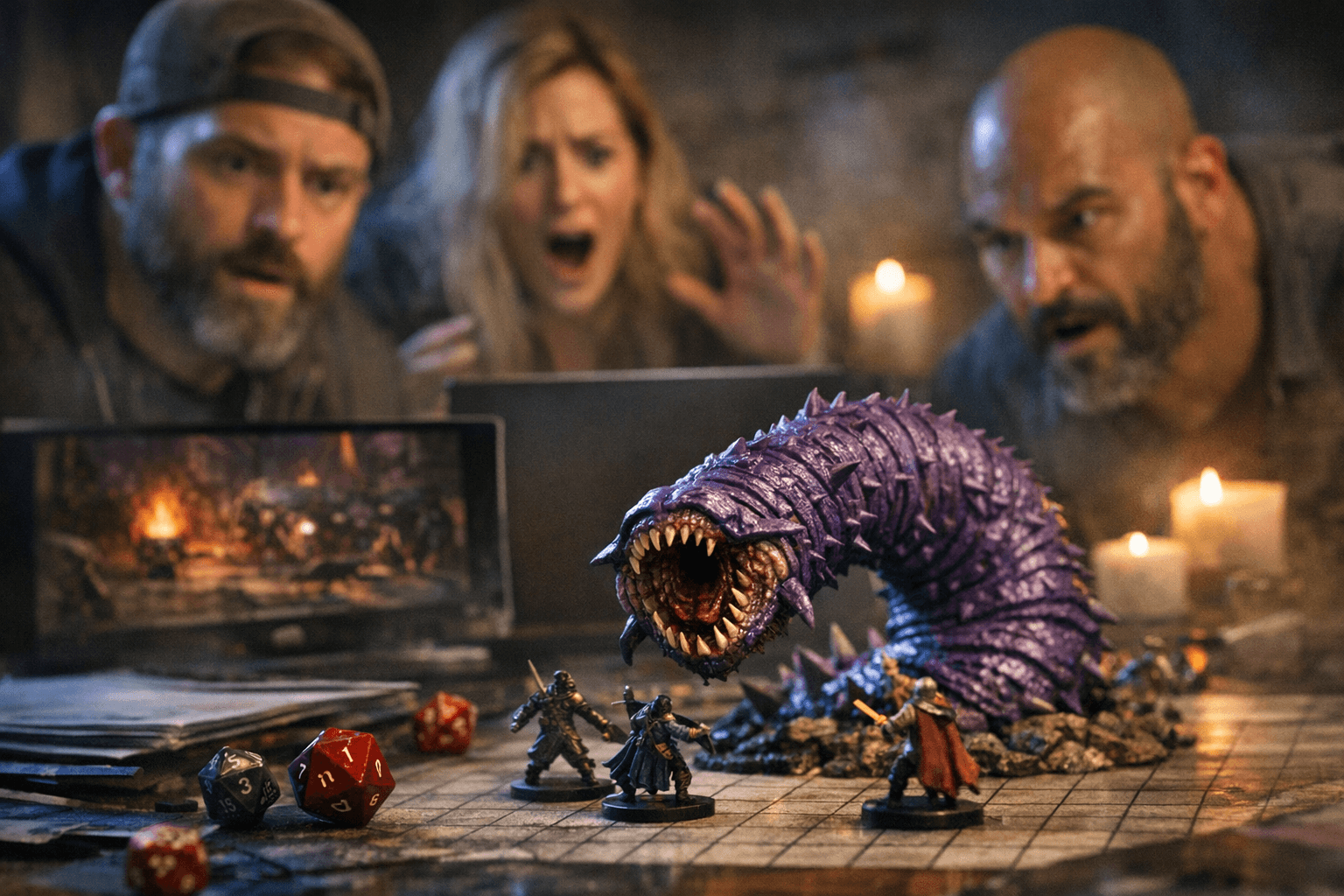
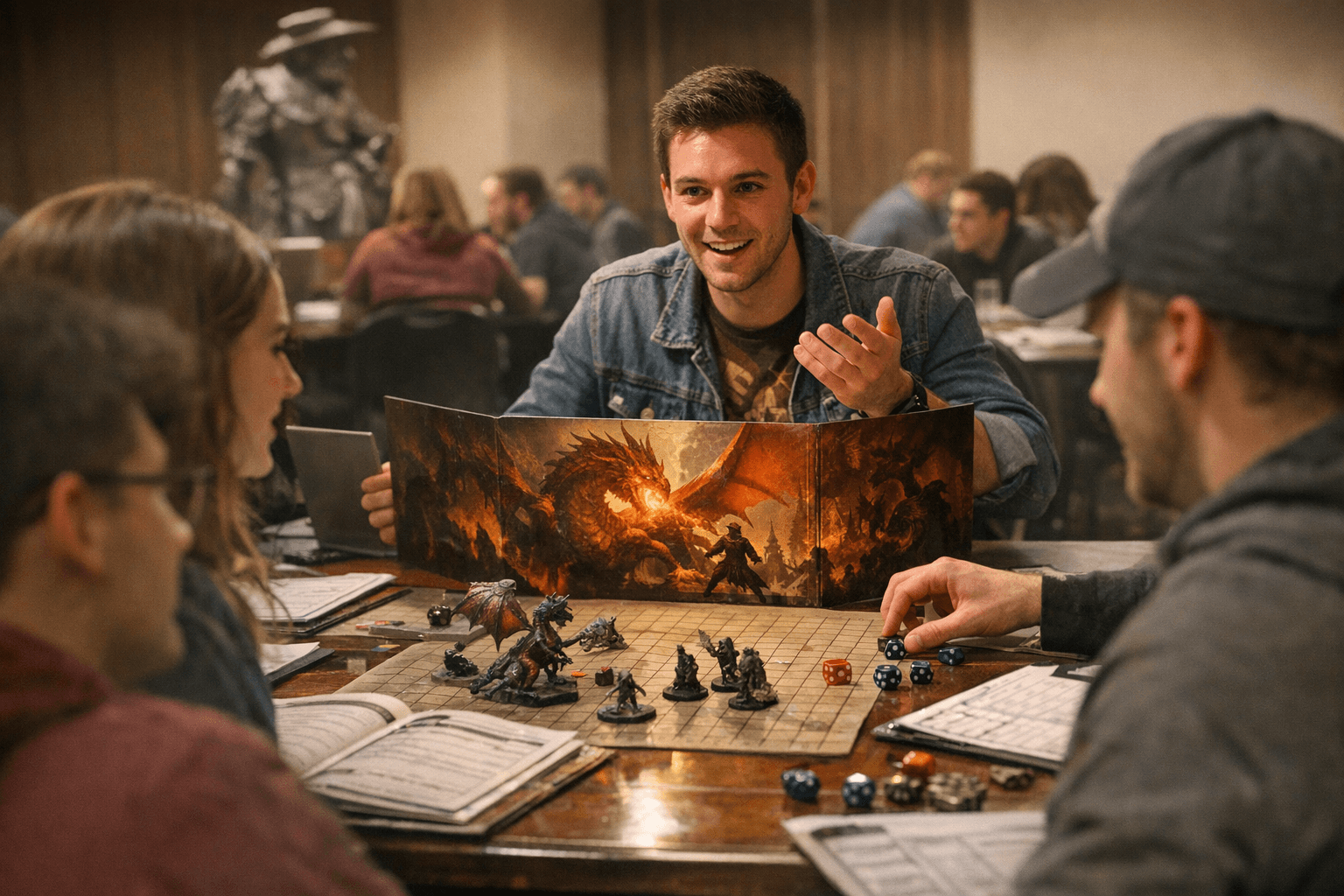
Run an Accessible 3-4-Hour D&D One-Shot with 60-Minute Prep
Run a complete, accessible one‑shot that teaches roleplay, simple combat, and meaningful choice with only 60 minutes of prep for a focused 3–4 hour table.

1. Choose a tight premise and a single clear objective
Pick a one‑sentence premise that points the whole table toward a measurable goal—rescue a missing elder, break one cursed item, or secure passage through a haunted ford. Because you have a 3–4 hour window, the objective must be achievable within three acts: approach, complication, resolution. A single clear goal lets new players focus on roleplay and choices instead of tracking sprawling sideplots.
2. Set table size, tone, and accessibility priorities
Aim for 3–5 players so each newcomer gets spotlight time without slowing play; smaller tables compress negotiation and speed up combat. State tone up front—cozy mystery, pulpy action, or gentle horror—so safety and content expectations are clear. Emphasize accessibility from the start: offer audio descriptions, one‑page visuals, and an option to play simplified mechanics so sensory or neurodivergent players can join comfortably.
3. Build five pregenerated characters with 1‑page cheat sheets
Prepare 4–5 pregens to cover common archetypes (fighter, healer, controller, face, scout) at a single level that fits your planned combats; pick a single level to keep math simple. Give each pregen a one‑page sheet that lists three roleplay hooks, two signature abilities, and one sentence on how they shine in play. Include a very short mechanical appendix: common rolls, advantage/disadvantage, simple DM adjudications—this lets players learn roleplay first, rules second.
4. Map the session into three acts and strict time blocks
Divide the 3–4 hour session into three acts: Act 1 (set up, 45–60 minutes), Act 2 (complication and one combat, 60–90 minutes), Act 3 (climax with meaningful choice, 45–60 minutes). Block your time on a visible timer so you can nudge pacing: if Act 2 overruns, collapse a social scene into a single skill check. Structuring by time keeps the session from stalling and ensures every new player sees roleplay, combat, and consequence.
5. Design two compact combats that teach flow
Plan one small combat early (1–2 rounds) and one decisive set‑piece later (3–4 rounds max) so players experience action without exhaustion. Use fewer enemies—1–3 combatants for the opener and 2–4 for the finale—and give foes clear, simple tactics (guard, charge, retreat). Limit complicated conditions and minimize multi‑actor turns; the goal is to demonstrate initiative, action economy, and teamwork, not to test rules knowledge.
6. Bake in one meaningful, visible choice with consequences
Offer a binary or tiered decision that changes the scene in Act 3—save the village but doom a relic, or take the relic and risk the villagers’ wrath. Make the consequences immediate and tangible: different NPC reactions, altered combat allies/enemies, or alternate loot. This teaches players that choices matter and that roleplay and combat are two paths to the same outcome.
7. Prepare three NPCs with short motivations and one‑line asking prompts
Create three NPCs maximum: an ally, a rival, and a wildcard. For each, write a two‑sentence motivation and a one‑line ask (e.g., “I need safe passage across the ford—help me or leave me behind”). Keep voice cues and a small portrait or index card so their identities stay clear; new players latch onto particular NPCs, and clear asks make roleplaying intentional and accessible.

8. Use visual aids, tactile props, and accessible handouts
Give each player a one‑page cheat sheet that lists the session goal, three useful actions they can take, and how to roll checks. Provide a single, high‑contrast map for tactical combat that supports colorblind players; offer printed stat cards for enemies. Small props—an illustrated item card or a tactile token for conditions—anchor attention and reduce cognitive load during a 3–4 hour game.
9. Run safety and accessibility checks at first contact
Start with a two‑minute safety check: content boundaries, signal for “time out,” and whether anyone needs mechanics simplified or extra time. Offer the option of “rules buddy” (a paired player or assistant) for anyone who prefers help with math or turn order. These measures make the session welcoming and let you focus those crucial 60 minutes of prep on scenario craft rather than ad‑hoc accommodations later.
10. The 60‑minute prep checklist (minute‑by‑minute)
Use this exact 60‑minute sequence when you sit down to prepare: 10 minutes — write a one‑sentence premise and the single objective tied to a three‑act arc; 15 minutes — build 4–5 pregens and one‑page cheat sheets; 10 minutes — sketch the two combats and a single map; 10 minutes — draft three NPC cards (motivation + ask) and the binary choice; 10 minutes — make accessibility handouts and safety prompts; 5 minutes — quick review and pack digital/print assets. This minute plan is engineered to turn limited prep time into a playable 3–4 hour session that hits roleplay, simple combat, and consequential choice.
11. Table rhythms and simple adjudication rules to keep momentum
Adopt two house rules to speed decisions: a “single reroll” token per player and a visible 60‑second turn timer for new players. Use skill checks as storytelling beats—tie every roll to a short NPC reaction or scene change—so mechanics serve narrative. These small rhythms teach new players how the game moves without getting bogged down in rule debates during your 3–4 hour window.
12. Rewards, closure, and a tight epilogue
Conclude with a 10–15 minute epilogue that shows the immediate consequences of the group’s meaningful choice and hands out a memorable, non‑mechanical reward—an NPC’s personal item, a letter, or a future hook. Keep mechanical loot simple: one piece of gear or a short boon that’s easy to track. This gives closure, reinforces that choices mattered, and leaves players wanting another session.
A focused premise, five pregens, two combats, one consequential choice, and a disciplined 60‑minute prep will give you a complete, accessible 3–4 hour one‑shot that teaches roleplay and teamwork without overwhelming new players. Run it once, tune the minute breakdown, and you’ll have a repeatable format that gets more people to the table—and keeps them there.
Know something we missed? Have a correction or additional information?
Submit a Tip