Russia blasts U.S.-Israel strikes on Iran as “pre-planned” aggression
Russia’s Foreign Ministry called the strikes “a pre-planned and unprovoked act,” warned of radiological and humanitarian risk, and urged an immediate halt and return to diplomacy.
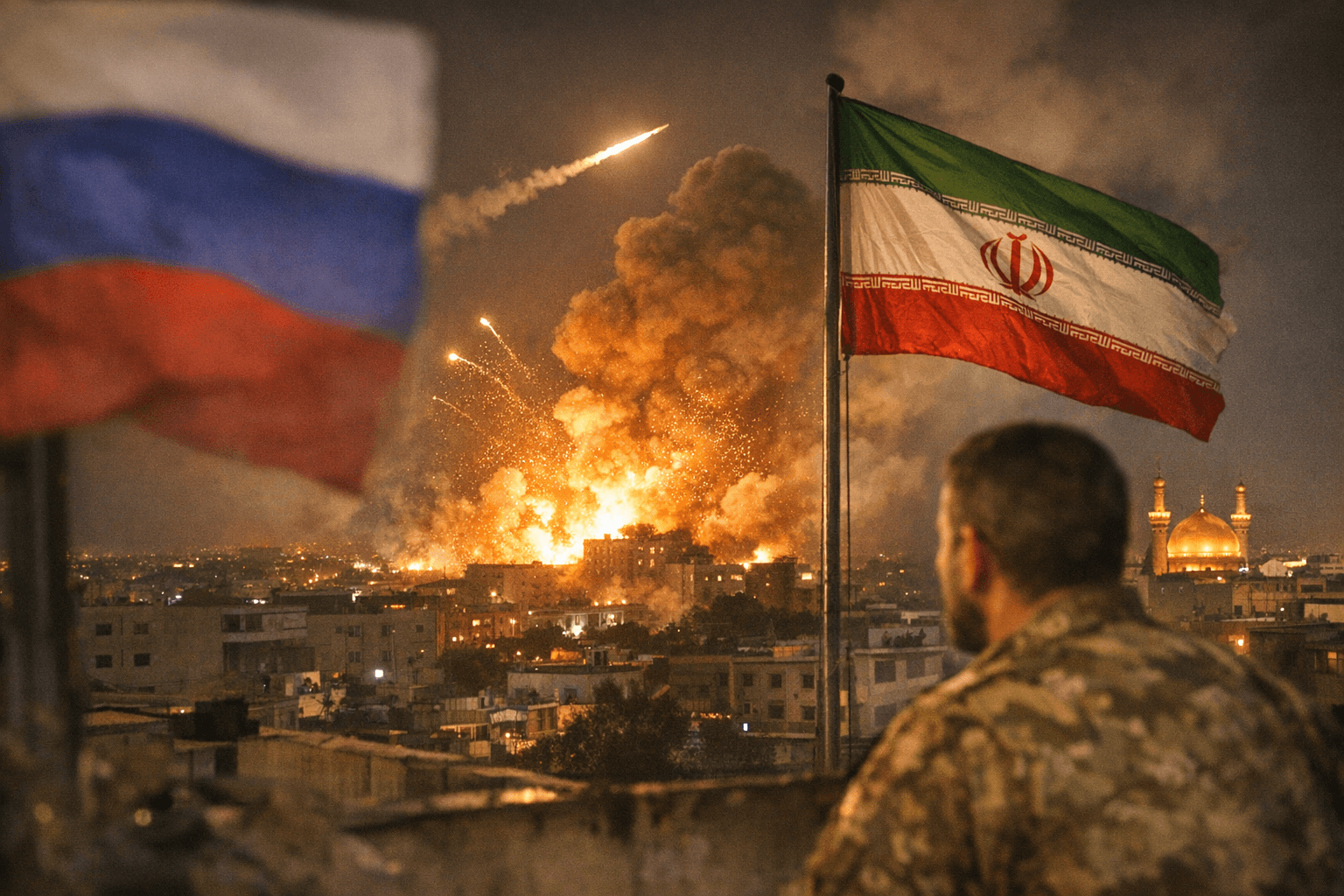
Russia’s Foreign Ministry condemned U.S.-Israeli strikes on Iran as “a pre-planned and unprovoked act of armed aggression against a sovereign and independent U.N. member state,” calling for an immediate halt to the campaign and a return to diplomacy while warning of a possible humanitarian, economic and radiological catastrophe.
The statement, posted on Telegram, placed full responsibility for the escalation on the United States and Israel and accused Washington of “hiding behind” nuclear concerns to pursue regime change. Moscow said the attacks were undermining “the international legal pillars of the world order” and described the pattern of strikes as “serial” destabilizing actions. It added that Russia stood ready to help broker a peaceful resolution.
In a separate interview posted on YouTube on Feb. 22, Russian Foreign Minister Sergey Lavrov expanded on those themes, warning of “real risks of a nuclear I do not want to say a nuclear disaster but a nuclear incident.” Lavrov said nuclear facilities under the control of the International Atomic Energy Agency should not have been struck and that such attacks erode the authority of the IAEA and the Nuclear Non‑Proliferation Treaty. He defended Iran’s right to peaceful uranium enrichment and called U.S. demands for “zero enrichment” incorrect. Lavrov also warned that provoking a full-scale war with Tehran is “playing with fire” and said Arab states were quietly urging Washington to show restraint.
The strikes set off explosions across Iran, with blasts reported in Tehran, Tabriz, Qom, Karaj, Khorramabad, Kermanshah, Ilam and other cities. Iran’s Supreme Leader’s office in Tehran was reported among the targets. Tehran closed its airspace for six hours and formed a national crisis management headquarters; Iran’s Interior Ministry said it was using all available capacity to maintain public order, ordered rapid situation reports from provincial governors and urged calm.
Israeli officials characterized the operation as a preemptive move to remove threats and said it had been coordinated with the United States and planned for months. A U.S. official said American strikes were being conducted by air and sea with U.S. Air Force involvement. President Donald Trump said the United States had begun “major combat operations in Iran” after Israel launched strikes early Saturday morning.
Iranian state media claims are stark but unverified in independent terms. The ISNA news agency, as relayed by regional outlets, said thousands of Islamic Revolutionary Guard Corps members were killed or wounded in attacks on military sites. Iran’s authorities said a “crushing” response would follow, and Tasnim reported a new wave of Iranian missiles launched toward Israel; those battlefield claims have not been independently confirmed here.
The Russian condemnation and Lavrov’s comments elevate legal and institutional stakes by linking military action to the erosion of arms-control norms. Moscow’s charge that strikes hit IAEA‑safeguarded facilities, if confirmed, would raise immediate questions for the agency about access, safeguards and the security of nuclear materials. Russia’s offer to mediate positions Moscow as an interlocutor for de‑escalation even as it accuses Washington and Tel Aviv of responsibility.
For markets and regional economies, the immediate facts point to heightened risk. A six-hour airspace closure, multiple strikes across major cities and the threat to nuclear sites increase the risk premium on energy supplies, shipping routes and regional trade, and will likely prompt insurers and commodity traders to reprice exposure. Policymakers in Europe, the Gulf and Asia will watch whether the IAEA issues any damage assessments and whether independent casualty tallies emerge.
Next steps for verification include independent IAEA assessments of any hit nuclear sites, confirmation of casualty figures beyond state media claims and public statements from U.S. and Israeli defense authorities detailing targets and scope. Until verified, the most consequential verified points remain Russia’s formal condemnation on Telegram, Lavrov’s televised warnings and the Iranian government’s emergency mobilization.
Know something we missed? Have a correction or additional information?
Submit a Tip

