Russia discusses reformatting Syria bases to preserve Mediterranean foothold
Moscow is weighing a leaner military footprint in Syria, trying to keep Tartous and Hmeimim alive as access points to the Mediterranean and Africa.
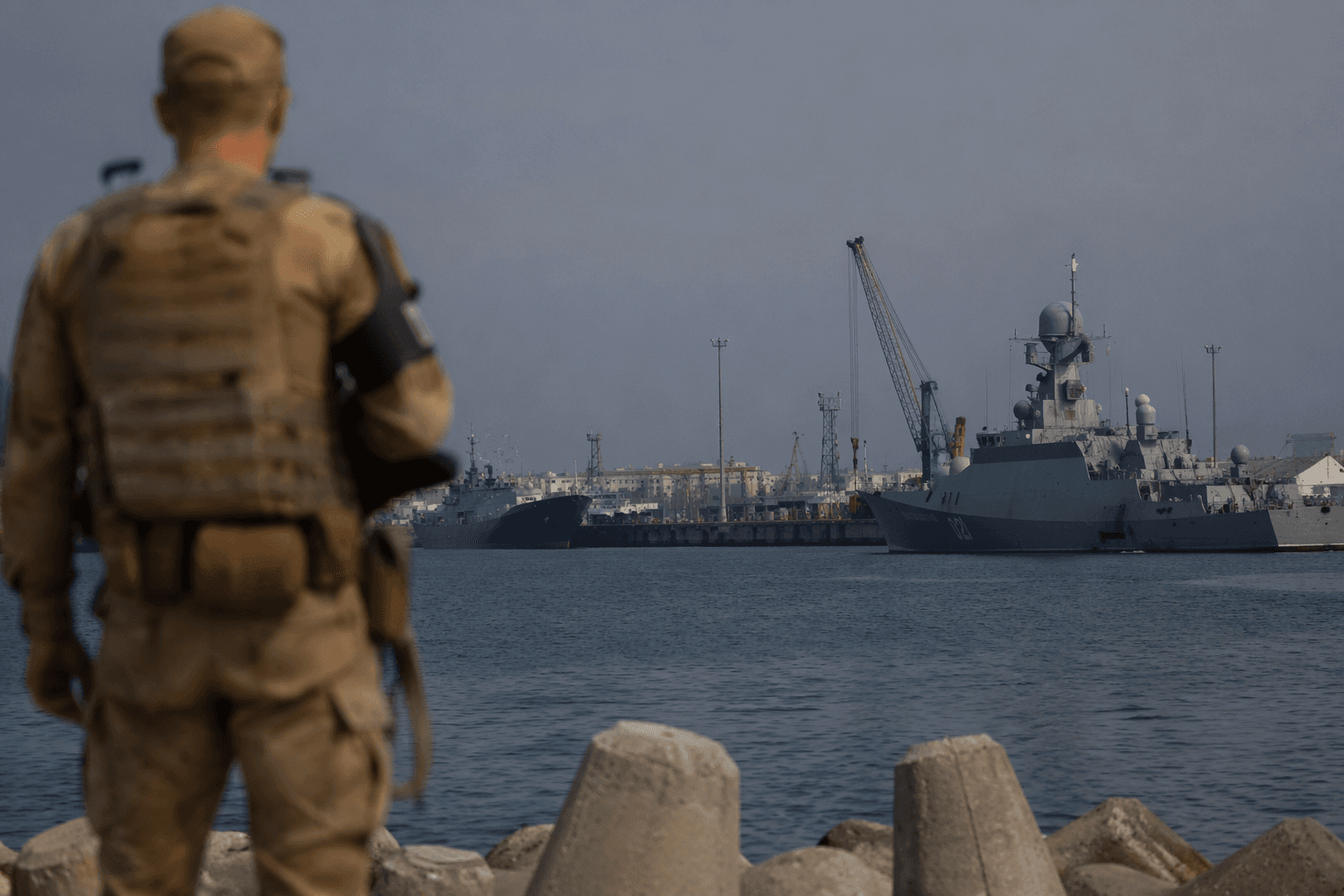
Russia is trying to preserve its Syrian foothold without pretending the old order still exists. Moscow said it was discussing a possible reformatting of its military facilities with Damascus, a clear sign that the Kremlin wants to keep Tartous and Hmeimim relevant even after Bashar al-Assad’s fall.
The stakes are strategic, not symbolic. Tartous has long served as Russia’s only Mediterranean repair-and-resupply hub, while Hmeimim in Latakia has been a major staging point for military and mercenary activity linked to Africa. Those bases gave Russia a route into the Mediterranean Sea, a platform for operations reaching beyond Syria, and leverage in a region where access points are scarce and politically contested.
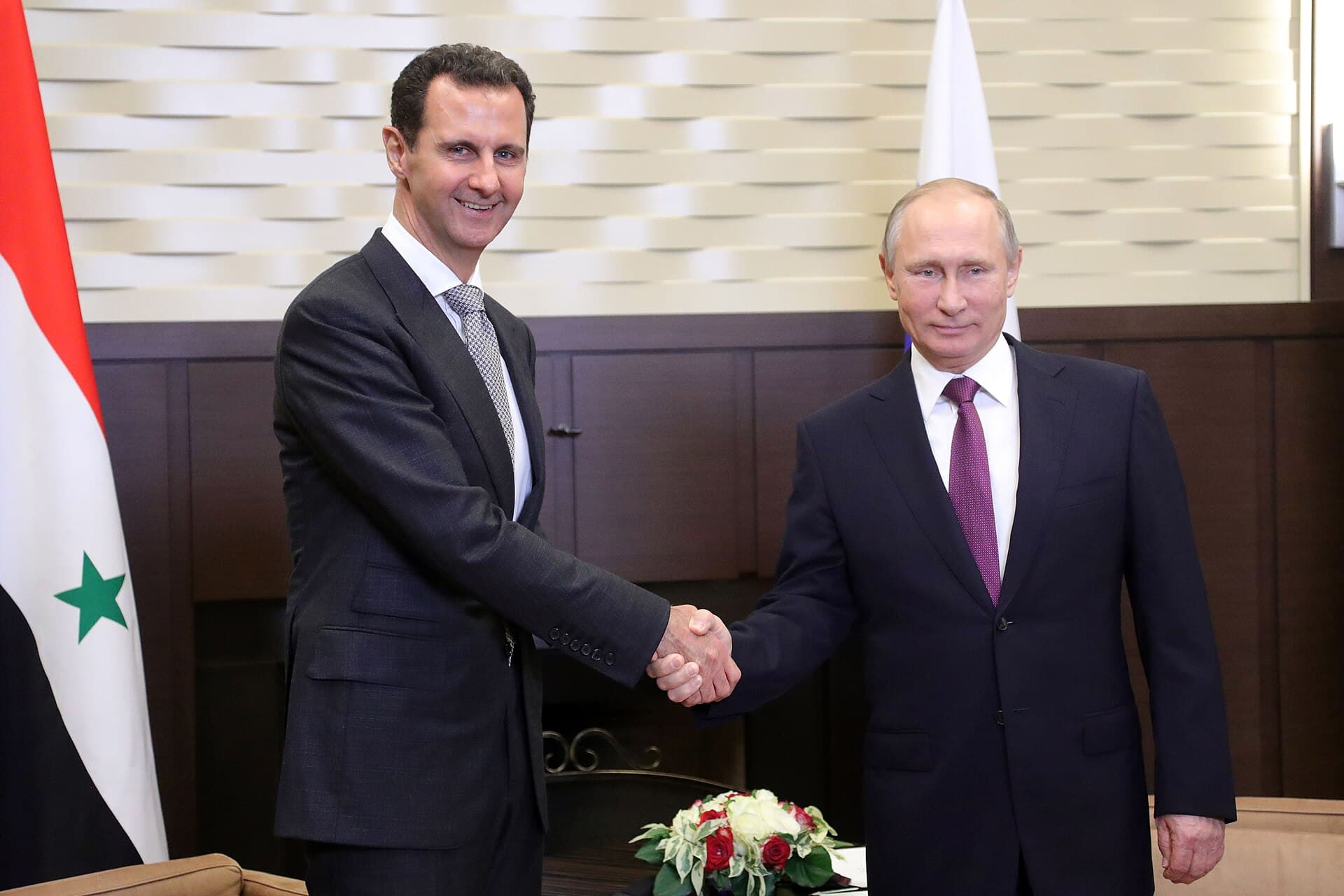
Russia built that position with its 2015 intervention to support Assad. But the December 2024 ouster of Assad, once Moscow’s closest ally in the region, upended the assumptions behind the Russian deployment. Since then, Moscow has moved to work with Syria’s new president, Ahmed al-Sharaa, rather than abandon the relationship entirely. Vladimir Putin hosted al-Sharaa in Moscow in January 2026, underscoring how both sides have tried to manage a relationship that once sat on opposite sides of Syria’s war.
The Russian Foreign Ministry said cooperation with Syria was developing very actively, and Maria Zakharova said Moscow was talking with Syrian officials about the future of its bases. That language suggests flexibility, but not retreat. Russia’s withdrawal from Qamishli airport in northeastern Syria in January 2026 showed a visible retrenchment, yet the core facilities on the coast remain central to Moscow’s regional reach.
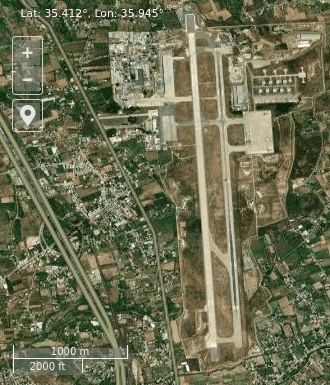
Damascus, for its part, has not treated the bases as untouchable. Reporting in January 2025 said Syria’s new authorities canceled Russia’s Tartous port operating deal, and the Assad-era arrangement reportedly gave Moscow a 49-year lease at Tartous and an indefinite lease at Hmeimim. In April 2026, al-Sharaa said Syria wanted to turn the remaining Russian bases into training centers for the Syrian army, signaling that Damascus sees the sites as assets to reclaim, not relics to preserve.
Talk of a logistics hub in Tartous points to another possibility: Russia may be trying to rebrand the presence around trade, supply chains and reconstruction influence, not just combat power. If Moscow can keep the bases operating, even in reduced form, it preserves a bridgehead into the Mediterranean and a stepping stone toward Africa and the Middle East. If it cannot, the loss would mark a sharp downgrade in Russia’s ability to project power from Syria.
This article was produced by Prism’s automated news system from verified source data, official records, and press releases, then run through automated quality and moderation checks before publishing. The system is built and supervised by the people who set the standards it runs under. Read our full AI policy.
Did this article answer your question?